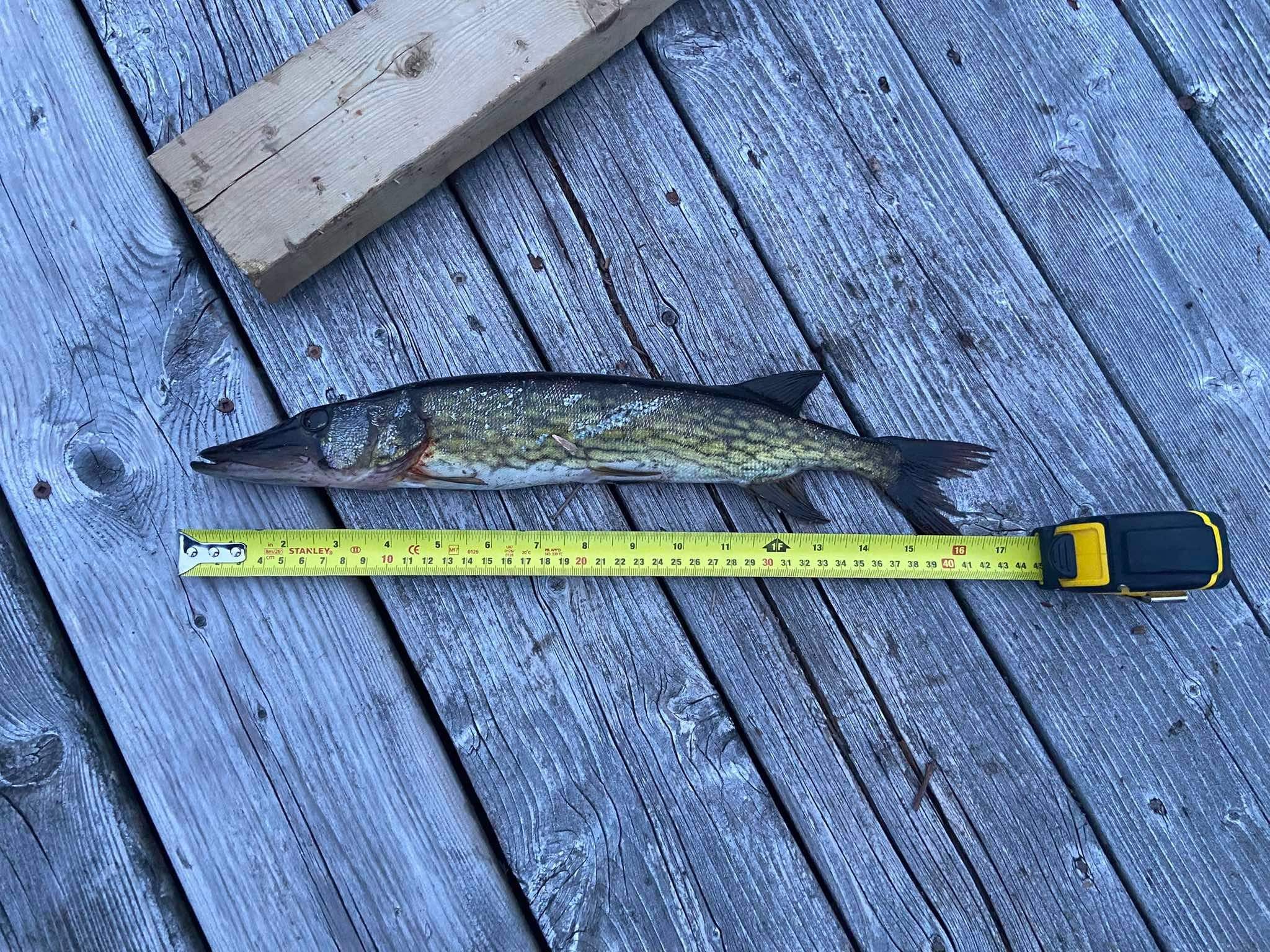
The introduction of an apex predator into an isolated aquatic ecosystem alters the energy transfer dynamics and species composition with predictable, mathematical precision. In Kejimkujik National Park, Nova Scotia, the proliferation of the invasive chain pickerel (Esox niger) has crossed a critical threshold, transitioning from a localized nuisance to the dominant driver of biomass allocation. The problem is not merely that pickerel outnumber native fish; the issue is that their hunting mechanics, reproductive strategy, and metabolic demands have fundamentally broken the native food web.
To evaluate the true scope of this ecological shift, we must look past superficial population counts and analyze the structural vulnerabilities of Kejimkujik’s waterways, the specific biomechanics that give the chain pickerel an asymmetric advantage, and the systemic failure points of traditional containment strategies. If you enjoyed this piece, you might want to read: this related article.
The Three Pillars of Pickerel Dominance
The rapid displacement of native species like the brook trout (Salvelinus fontinalis) and the endangered white ribbon snake (Thamnophis saurita) relies on three compounding ecological advantages.
1. Asymmetric Predation Mechanics
Chain pickerel are sit-and-wait ambush predators optimized for shallow, weedy environments. Their physical architecture—an elongated body, posteriorly positioned dorsal and anal fins, and a broad, duckbill-shaped snout lined with needle-like, recurved teeth—is engineered for explosive acceleration. For another look on this event, refer to the latest coverage from Al Jazeera.
- Saccadic Strike Velocity: A pickerel can accelerate from a stationary position to high velocity in milliseconds, leaving native salmonids, which evolved for open-water cruising rather than dodging burst-attacks, with negligible reaction windows.
- Gape Limitation Advantages: Unlike smaller native predators, a mature pickerel possesses a large gape width, allowing it to consume prey up to half its own body length. This shifts their predatory pressure from small forage fish to the entire size spectrum of the native fish community.
2. High Ecological Plasticity and Thermal Tolerance
Native salmonids in Kejimkujik require cold, well-oxygenated water. As summer water temperatures rise, these fish experience thermal stress and seek refuge in deep, stratified pools or cold-water tributaries. Chain pickerel possess a significantly higher thermal tolerance, maintaining metabolic efficiency in warm, shallow littoral zones where they actively hunt. This creates a seasonal geographic squeeze: native species are confined to shrinking thermal refugia, while pickerel expand their hunting territory across the warming littoral zones, intercepting native fish at the boundaries of these cold-water sanctuaries.
3. High-Volume Reproductive Output
The reproductive strategy of the chain pickerel is built for rapid colonization. A single mature female can deposit upwards of 50,000 adhesive eggs in shallow vegetation. These eggs hatch rapidly, and the larvae quickly transition from feeding on microcrustaceans to practicing cannibalism and intense predation on the young-of-the-year of native species. In contrast, native brook trout build nests (redds) in gravel substrates, which are highly vulnerable to siltation, temperature fluctuations, and direct predation by juvenile pickerel.
The Trophic Cascade Cost Function
The dominance of the chain pickerel does not just reduce native fish counts; it rewires the entire trophic cascade, redirecting energy flow away from historical evolutionary pathways. We can model this destabilization through a multi-tiered impact framework.
[Invasive Chain Pickerel]
       │
       ├──► Direct Predation ──► Decimation of Brook Trout & Minnow Biomass
       │
       ├──► Resource Hijacking ──► Starvation of Loons & Aquatic Mammals
       │
       └──► Apex Micro-Predation ──► Extirpation of Endangered Ribbon Snakes
Biomass Depletion and Resource Hijacking
In an uninvaded Kejimkujik lake, the biomass profile is distributed across a diverse assembly of trophic levels: primary producers, macroinvertebrates, small forage fish (such as shiners and dace), and native predators like trout and yellow perch. When pickerel establish a population, they act as an energy sink.
Because they consume virtually any moving organism while facing almost zero predation pressure themselves once mature, energy enters the pickerel population and stays there. The diverse biomass of the lake is compressed into a monoculture of apex biomass.
Alteration of Macroinvertebrate Control
By decimating small, invertivorous fish, pickerel inadvertently disrupt the top-down control of aquatic insect populations. While this might theoretically suggest an increase in macroinvertebrates, the reality is a chaotic disruption of the emergence cycles of insects that birds, bats, and amphibians rely on, ripple-effecting into the terrestrial ecosystem surrounding the park's waterways.
Competitive Exclusion of Native Fauna
The impact extends to semi-aquatic and avian predators. Species such as the common loon (Gavia immer) rely on specific size classes of native fish to feed their chicks. As pickerel systematically eliminate these mid-sized native species and grow too large for loons to safely swallow, the available foraging base for native waterfowl collapses. Similarly, the endangered Eastern ribbonsnake faces dual pressure: direct predation by juvenile pickerel and intense competition for its primary food source, small amphibians and minnows.
Why Standard Mitigation Metrics Are Broken
Traditional management frameworks for invasive aquatic species frequently rely on blunt-force eradication efforts, such as public angling incentives, localized gill netting, and temporary physical barriers. Data from long-term suppression campaigns across North America demonstrates that these methods fail when applied to open, interconnected watershed systems like those in Kejimkujik.
The Compensatory Density-Dependent Response Paradox
The primary failure point of mechanical removal (gill netting and electrofishing) is the compensatory response of the target population. When management teams remove a significant percentage of large, adult chain pickerel from a lake, they inadvertently trigger a population spike.
- Reduction of Cannibalism: Adult pickerel are the primary control mechanism for their own species, regularly consuming smaller conspecifics. Removing the large adults drastically increases the survival rate of juvenile pickerel.
- Resource Liberation: The sudden absence of large apex predators frees up massive amounts of forage biomass and breeding territory, leading to explosive growth and higher recruitment rates among the remaining juvenile population.
The result is a counterproductive shift: a lake previously occupied by a few hundred large pickerel becomes choked with thousands of highly active, hyper-aggressive juvenile pickerel, accelerating the decline of native fish.
The Interconnected Watershed Bottleneck
Kejimkujik National Park is characterized by complex, interconnected river systems, shallow lakes, and seasonal wetlands. Physical barriers like dams or temporary screens are fundamentally incompatible with this geography. High-water events and spring freshets routinely bypass or destroy physical blockades, allowing pickerel to colonize new sub-watersheds. Furthermore, these barriers act as an ecological double-edged sword, blocking the necessary spawning migrations of native species like the sea-run brook trout and American eel (Anguilla rostrata).
Systemic Action Plan for Watershed Containment
Reversing or even stabilizing the ecological shift in Kejimkujik requires shifting away from localized eradication toward systematic, watershed-scale containment. The goal cannot be total eradication, which is biologically impossible given the geography; instead, the focus must shift to structural suppression and asset protection.
Implementation of Targeted Chemical Reclamation
In isolated, closed-basin ponds within the park that serve as critical nurseries for endangered species, targeted chemical reclamation using rotenone remains the only definitive method to reset the biomass profile. Rotenone inhibits cellular respiration in gill-breathing organisms.
- Execution Protocol: Apply rotenone during late summer low-water periods to minimize the required volume and limit downstream drift.
- Limitation: This technique is non-selective and will eliminate native fish alongside the invasive population. It requires the temporary extraction and off-site preservation of native genetic stocks, followed by a systematic reintroduction campaign once the chemical has naturally degraded.
Strategic Genetic Bio-Engineering
To counteract the compensatory response paradox, management must investigate modern biocontrol methodologies, specifically the introduction of Daughterless or YY-Male genetic strains. By consistently releasing laboratory-reared, male chain pickerel possessing two Y-chromosomes into the wild population, the sex ratio of subsequent generations shifts entirely toward males. Over multiple reproductive cycles, the lack of females causes the localized population to collapse internally without triggering the density-dependent spikes associated with mechanical netting.
Constructing Dynamic Bio-Acoustic and Electric Barriers
At critical choke points connecting major lake systems to uninvaded upstream tributaries, traditional nets must be replaced with non-physical, multi-sensory guidance systems. Combining sweeping acoustic frequencies, localized electrical fields, and high-intensity bubble curtains creates an avoidance behavior zone. While not 100% effective against passive larval drift, these barriers block the upstream migration of adult and juvenile pickerel seeking new hunting grounds during seasonal movements, preserving intact headwater sanctuaries for native salmonids.
The trajectory of Kejimkujik’s aquatic health depends entirely on abandoning the illusion that standard conservation practices can control a highly adapted apex invader. If management continue to rely on localized netting and passive monitoring, the native multi-species fishery will collapse into a highly efficient, single-predator system. Halting this shift requires an aggressive, multi-million-dollar commitment to genetic containment, absolute watershed segmentation, and targeted chemical intervention at critical biological choke points.