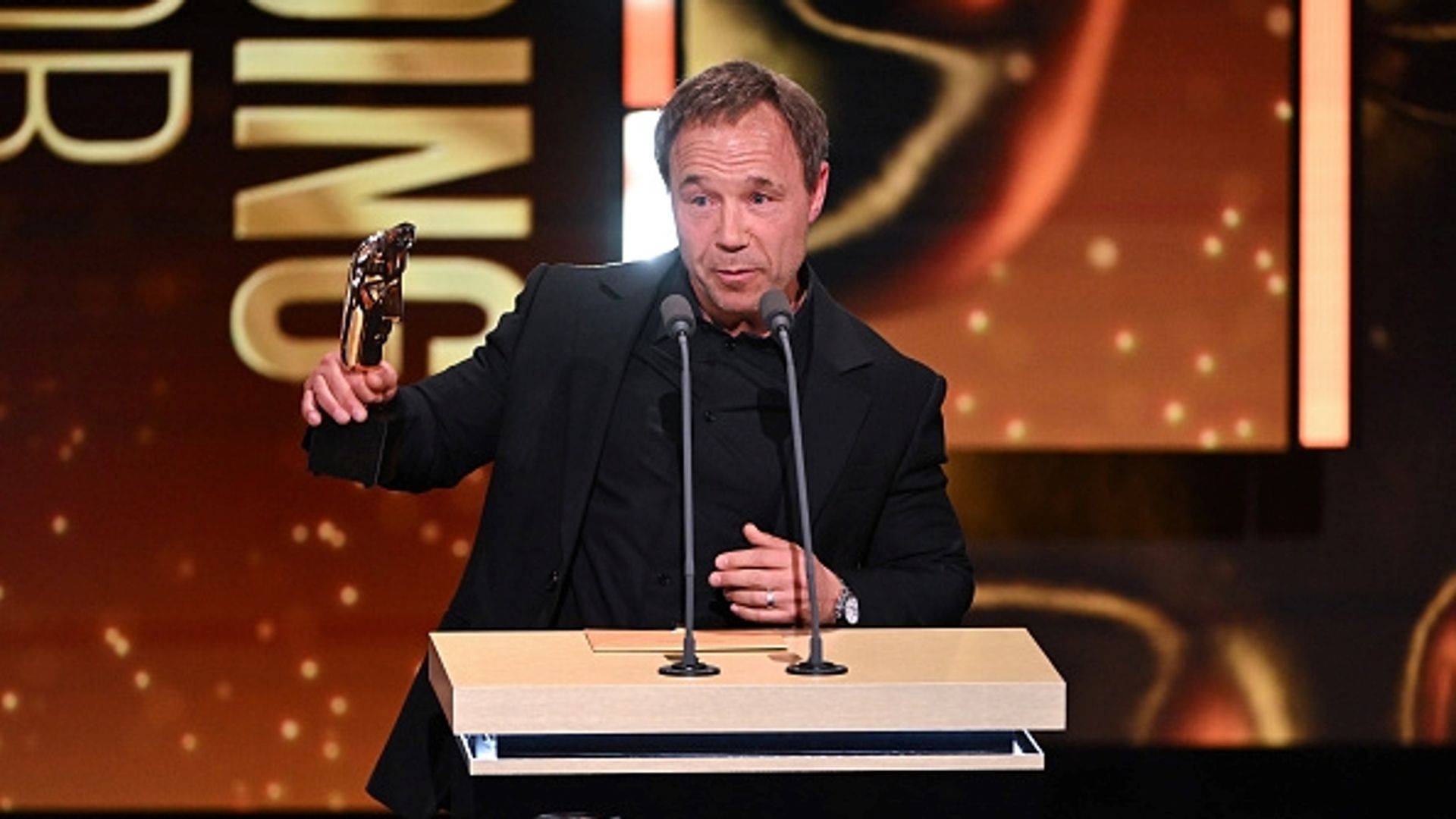
The industry is currently patting itself on the back because a few actors managed to snag two nominations in a single year. The trade rags call it a "historic achievement." They frame it as a double shot of prestige. They are wrong.
In reality, the double nomination is a symptom of a creative ecosystem that has grown terrified of risk. When the Academy Awards circuit rewards one person for two different roles, it isn't celebrating range. It is celebrating a monopoly on attention. It is the cinematic equivalent of a stock buyback—inflating the value of a proven asset because the studio is too cowardly to invest in anything new. If you liked this post, you should read: this related article.
The Myth of the Masterclass
The "lazy consensus" suggests that if an actor is nominated for both Best Actress and Best Supporting Actress, we are witnessing a peak in human performance. We aren't. We are witnessing a failure of the scouting system.
The math of the Academy is increasingly insular. There are roughly 10,000 members. These voters are overwhelmed by a "content" glut, meaning they default to the familiar. When they see a name like Scarlett Johansson or Jamie Foxx on two different ballots, it isn't because those were the two best performances of the year across the entire global output of film. It’s because the voter only watched five movies. For another look on this event, see the recent update from Variety.
By doubling down on a single face, the Academy effectively kills the oxygen for the "discovery" nomination. Every time a superstar takes a second slot, a breakout performance from an independent film—the kind that actually needs the Oscar bump to sustain a career—is erased.
The Dilution of Character
Great acting requires the total disappearance of the performer into the role. The double nomination makes this impossible.
When a viewer sees an actor as a grieving mother in a 2:00 PM screening and then as a cutthroat lawyer in a 4:00 PM screening, the "Actor" becomes the brand, and the "Character" becomes the accessory. We stop talking about the narrative stakes of the film and start talking about the "campaign."
I have seen studios pour $20 million into a "For Your Consideration" push specifically designed to split the vote or secure the double. It’s a cynical play. They aren't selling art; they are selling a statistical anomaly.
The Math of the Split
Consider the mechanics of the voting process. When an actor is nominated twice, they often face the "split-vote" trap.
- Voter A thinks they are a lock for Supporting, so they vote for someone else in Lead.
- Voter B thinks the opposite.
- The actor loses both.
Instead of one meaningful win that cements a legacy, the double nomination often results in a "prestige shut-out." It’s a vanity metric that looks good on a Wikipedia page but does nothing for the actual longevity of the film’s cultural impact.
Stop Asking "Who Is Better" and Start Asking "Who Is Missing"
The most common question during awards season is: "Is it better to have two chances to win?"
This is the wrong question. The right question is: "Why is the pipeline so clogged that we can only find ten people worth talking about?"
The industry’s obsession with the double-nominee creates a "Star Ceiling."
- The Established Tier: 5% of actors who get 90% of the awards coverage.
- The Invisible Tier: Thousands of world-class performers in international and indie cinema who can't get a look-in because the Academy is busy giving a second trophy to someone who already has an EGOT.
I’ve sat in rooms where producers openly admit they’d rather attach a "double-nominee" to a mediocre script than a fresh face to a masterpiece. Why? Because the "double" is a marketing gimmick that works on the elderly demographic that still buys theater tickets.
The High Cost of the "Double" Campaign
Let’s talk about the money. A serious Oscar campaign costs more than the budget of the movies being nominated. When a studio has to campaign one person for two roles, the budget balloons.
- Media Buys: You have to run double the ads to highlight the "range."
- Travel: The talent has to do double the junkets.
- Strategic Fatigue: The "insider" crowd gets sick of seeing the same face.
There is a law of diminishing returns in celebrity exposure. When you push a performer too hard as the "Double Threat," the public pushes back. We saw it with the backlash against various "it-girls" and "golden boys" of the last decade. The industry forces them down our throats twice in one year, and then we don't want to see them again for five.
A Better Way Forward
If we actually cared about the health of cinema, we would cap nominations. One person, one slot.
Force the voters to choose. Force the studios to pick their best horse. This would:
- Increase Diversity: Not just of race or gender, but of style and origin.
- Reward Risk: Actors would be encouraged to take one massive swing rather than two "safe" prestige plays.
- Restore Mystique: A nomination should be a lightning strike, not a scheduled appointment.
The "Two is Better Than One" argument is a lie sold by publicists to make their clients feel like gods. For the rest of us—the people who actually want to see movies that challenge, provoke, and surprise—it’s just more of the same.
The double nomination isn't a sign of a thriving industry. It’s the sound of a closing circle. Stop celebrating the hoarding of accolades. Start demanding a wider lens.
The Oscars don't need more "doubles." They need to learn how to count past ten.