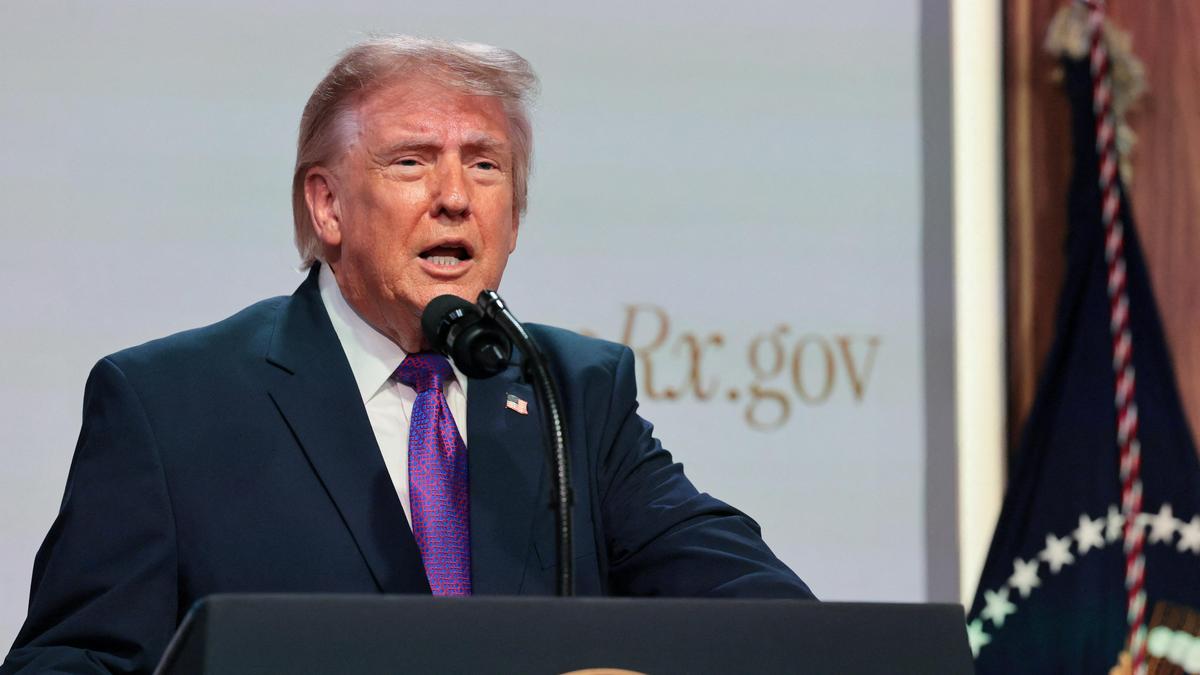
The media is buying the theater hook, line, and sinker. Donald Trump posts on Truth Social that he graciously called off a massive Tuesday airstrike on Iran because the Gulf states begged him for a two-day window to seal a nuclear deal. The mainstream press immediately runs headlines about "serious negotiations" and "upbeat hopes for an agreement."
It is total nonsense.
I have spent two decades watching Washington misread Middle Eastern brinkmanship. What we are witnessing right now is not a breakthrough. It is a masterclass in face-saving delay tactics from two sides that are utterly stuck. Trump wants out of a six-week-old war that is killing his party ahead of the November midterms. Iran wants its frozen assets and lifted sanctions without actually giving up its sovereign leverage over global energy.
Trump claims the military is ready to launch a "full, large-scale assault on a moment's notice." That is a bluff designed to mask a harsh reality: the United States does not have the strategic leverage it thinks it does, and Iran knows it.
The Gulf State Intervention is a Warning, Not a Favor
The conventional narrative says Saudi Arabia, Qatar, and the UAE stepped in as helpful mediators to help America secure a "no nuclear weapons" commitment.
Look closer at the geography. Iran explicitly threatened reciprocal attacks against any Gulf Arab allies hosting U.S. forces if the current ceasefire breaks. The leaders of those nations didn't call Trump because they are on the cusp of a diplomatic miracle. They called him because their own infrastructure is in the crosshairs of Iranian drones.
When the Strait of Hormuz is functionally locked by a newly declared Iranian "Strait Authority," crude oil spikes toward $130 a barrel, and gas hits $5 a gallon in America, the Gulf states aren't acting as America’s diplomatic proxies. They are managing their own survival. They handed Trump an exit ramp from his weekend threat that "there won't be anything left of Iran," and he took it because his own bluff was about to be called.
The Sanctions Mirage
Iranian media is already leaking that Washington agreed to waive oil sanctions just to keep Tehran at the table in Pakistan. Think about the mechanics of that. The U.S. and Israel launched devastating strikes in late February, even killing Iran's Supreme Leader. Yet six weeks later, Iran is the party dictating the terms of the maritime transit through the world's most critical energy choke point.
- The U.S. Demand: Iran keeps only one nuclear site and ships its enriched uranium to America.
- The Iranian Reality: The Islamic Revolutionary Guard Corps is currently threatening to cut or tax fiber-optic internet cables running through the Strait. They are striking targets in Kurdistan to signal regional reach.
You do not offer oil sanction waivers to a state you are supposedly on the verge of obliterating. You offer them when your naval blockade is failing to reopen a waterway and your domestic electorate is screaming about inflation.
The Asymmetry of a Moment's Notice
The phrase "moment's notice" implies absolute military dominance. It suggests a conventional superpower can just turn the kinetic switch back on if the talks fail by Thursday.
But conventional military superiority is useless against asymmetric attrition. If the U.S. resumes bombing, the Strait of Hormuz stays closed. Oil hits $150. Global shipping supply chains shatter. Iran’s proxy networks from Lebanon to Yemen reignite.
Trump wants us to believe he is holding a match over a powder keg, waiting for Iran to sign a paper. The reality is that both sides are holding matches, but Iran is much more comfortable living in the dark. Tehran’s regime has survived decades of isolation; Trump has an election to win in six months.
This is not an upbeat prelude to a historic accord. It is a tactical pause by an American administration that realized a "short, sharp war" has turned into a grinding economic quagmire. The architecture of a real, lasting deal requires weeks of granular diplomatic heavy lifting, not a 72-hour extension granted via social media. Do not watch the White House podium. Watch the price of crude. That is where the real terms of this conflict are being negotiated.