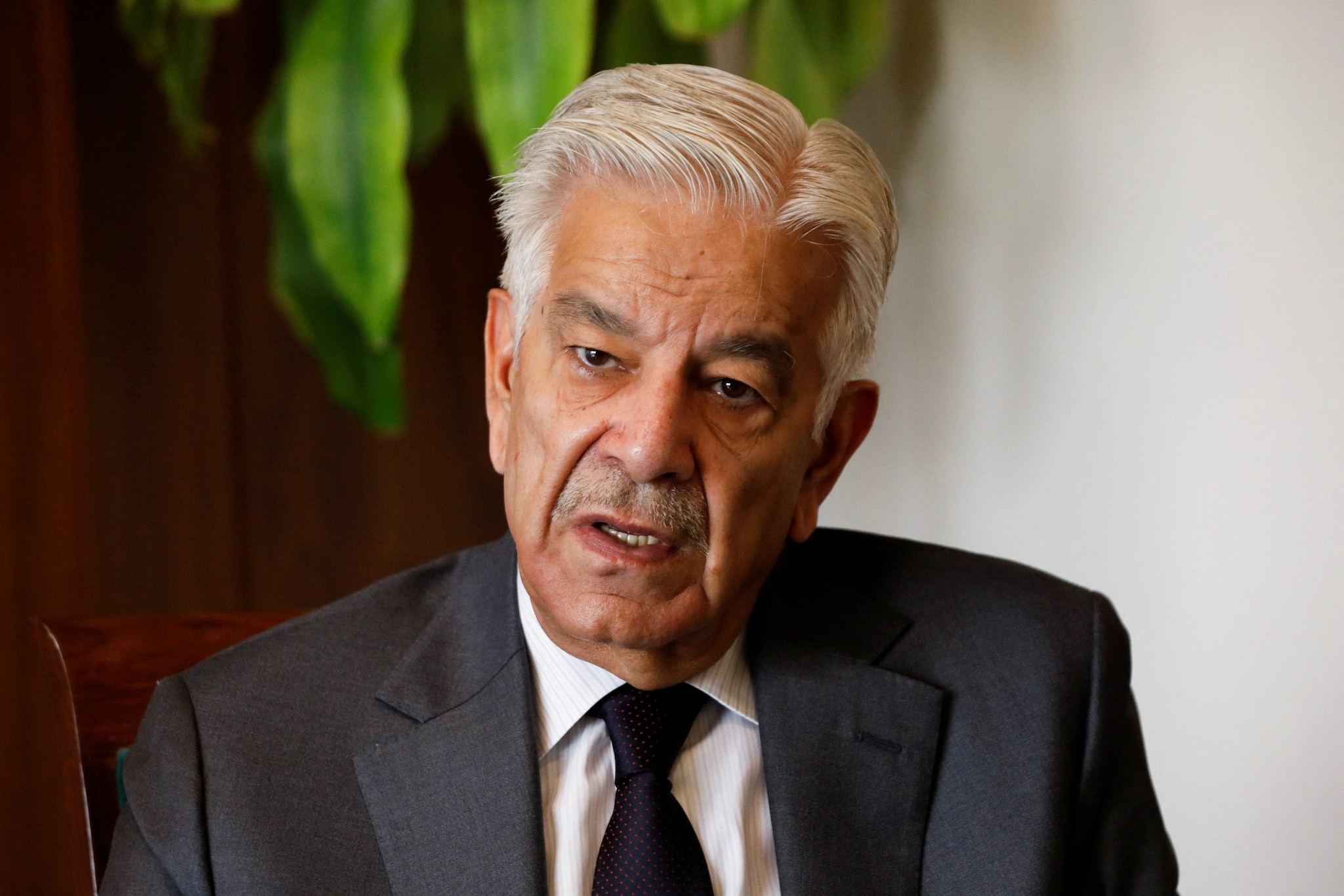
Pakistan’s Defence Minister Khawaja Asif just tossed a verbal grenade into the already volatile mix of Middle Eastern politics. He didn't mince words. Calling Israel an "evil, cancerous" entity isn't just standard political posturing in this part of the world. It’s a calculated escalation that reflects a hardening of hearts across the Islamic world. Unsurprisingly, Benjamin Netanyahu fired back, labeling the remarks "outrageous." But if you think this is just two politicians trading insults on a slow news day, you’re missing the bigger picture. This isn't just about harsh language. It’s about a complete breakdown in the unspoken rules of international engagement.
The tension between Islamabad and Tel Aviv isn't new. Pakistan doesn't recognize Israel as a state. They never have. But the intensity of Asif’s latest rhetoric signals a shift from cold indifference to active, vocal hostility. You have to wonder what sparked such a sharp tongue now. Usually, these things are tied to domestic pressure or a need to align more closely with regional allies like Iran or Turkey. When a high-ranking official uses medical metaphors like "cancerous," they aren't looking for a seat at the peace table. They’re signaling to their own base that the gloves are off.
Why Khawaja Asif’s Words Hit Different This Time
The choice of words matters. "Evil" is a moral judgment. "Cancerous" implies something that needs to be removed for the rest of the body to survive. This kind of language is designed to provoke. It’s a direct challenge to the legitimacy of the Israeli state. For Netanyahu, who is already dealing with massive internal protests and international scrutiny over Gaza, this was a gift-wrapped opportunity to play the victim of "unprovoked" hate. He jumped on it. He called the remarks outrageous because, in the world of Western diplomacy, they are. In the world of Pakistani politics, however, they might be seen as necessary.
Pakistan is currently navigating a nightmare of economic instability and internal security threats. Sometimes, nothing unites a fractured populace like a common external enemy. By taking a hardline stance against Israel, Asif is tapping into deep-seated public sentiment. It’s a move that buys the government some breathing room at home. But it comes at a cost. It alienates potential Western partners who view such rhetoric as a barrier to regional stability. You can’t scream "evil" at a country and then expect to be taken seriously as a neutral mediator in global forums.
The Netanyahu Response and the Game of Optics
Netanyahu is a master of the rebuttal. By calling Asif’s comments outrageous, he’s not just defending his country; he’s framing the conflict as one of "civilized" nations against "radical" voices. It’s a binary that works well for his brand of politics. He wants the world to see Israel as a lone democracy surrounded by irrational actors. Asif’s comments gave him the perfect soundbite to reinforce that narrative.
But let’s be honest. Both sides are playing to their galleries. Netanyahu needs to look strong. Asif needs to look pious and defiant. It’s a theater of the absurd where the stakes are life and death. The international community usually sighs and moves on when these spats happen, but the timing here is precarious. With the conflict in Gaza stretching on and the risk of a wider regional war looming, these words carry more weight than they did five years ago. They aren't just vibrations in the air. They’re potential catalysts for further diplomatic isolation.
Historical Context of Pakistan’s Stance on Israel
To understand why Asif feels comfortable using such inflammatory language, you have to look at the history. Pakistan’s founder, Muhammad Ali Jinnah, was staunchly against the creation of Israel. He viewed it as a colonial project. That sentiment is baked into the DNA of the Pakistani state. Even when other Muslim-majority nations like the UAE or Bahrain moved toward normalization via the Abraham Accords, Pakistan stayed firm.
There’s a persistent rumor that some Pakistani officials have had "back-channel" talks with Israel over the years. Some say it’s about security or technology. I don't buy it. The political risk is too high. Any Pakistani leader seen shaking hands with an Israeli official would likely face immediate and violent backlash at home. Asif knows this. His "evil" comment isn't just his opinion; it’s a reflection of a national policy that hasn't budged in decades. It’s an easy win for him domestically, even if it makes life harder for Pakistan’s diplomats in Washington or London.
The Impact on Regional Alliances
Look at the map. Pakistan shares a border with Iran. Iran is Israel’s primary adversary in the region. By ratcheting up the rhetoric, Pakistan is effectively cozying up to Tehran. This is a delicate dance. Pakistan also relies heavily on Saudi Arabia for financial support. The Saudis have been flirting with normalization with Israel for a while, though that’s cooled down significantly lately.
Asif is trying to walk a tightrope. He wants to show solidarity with the Palestinian cause—which is a core pillar of Pakistani foreign policy—while not completely burning bridges with the West. But calling a state "cancerous" is a bridge-burning move. It forces countries to pick sides. If you’re a US diplomat trying to balance a relationship with Islamabad while supporting Israel, comments like these make your job impossible. It’s a headache nobody asked for.
Why the World Should Pay Attention
You might think this is just a regional squabble. It isn't. Pakistan is a nuclear-armed nation. When its high-level officials start using dehumanizing language about another military power, people should listen. Words lead to actions. Actions lead to consequences. This isn't just about "hurt feelings." It’s about the erosion of the diplomatic middle ground.
We’re seeing a global trend where leaders are rewarded for being the loudest person in the room. Moderate voices are being drowned out. Asif’s rhetoric is a symptom of this broader decay. It suggests that the path to peace isn't just blocked; it’s being actively demolished. If we can’t even agree on basic humanizing language, how can we expect to negotiate complex issues like borders, water rights, or security?
The Fallout for International Relations
Expect the usual cycle of events now. Israel will lodge formal complaints. Pakistan will double down. Protests will likely break out in Islamabad in support of the minister's "brave" stance. Meanwhile, actual diplomacy will stall. The real losers are the people caught in the crossfire—the civilians in Gaza and the ordinary Pakistanis who just want a stable economy.
They don't care about metaphors. They care about bread and safety. But "evil" and "outrageous" make for better headlines. It’s a cynical game played by men in suits while the world watches in frustration. If you want to see where this goes next, keep an eye on the United Nations. There will be votes, there will be vetos, and there will be more speeches. But don't expect any real change in the status quo.
The immediate next step for anyone following this story is to look beyond the headlines. Watch the trade numbers. Watch the military cooperation agreements between Pakistan and other Middle Eastern nations. If those start to shift, then Asif’s words were more than just a rant. They were a roadmap. If the numbers stay the same, it was just another day in the messy, loud world of global politics. Pay attention to the silence between the shouts. That’s usually where the real story is hiding.