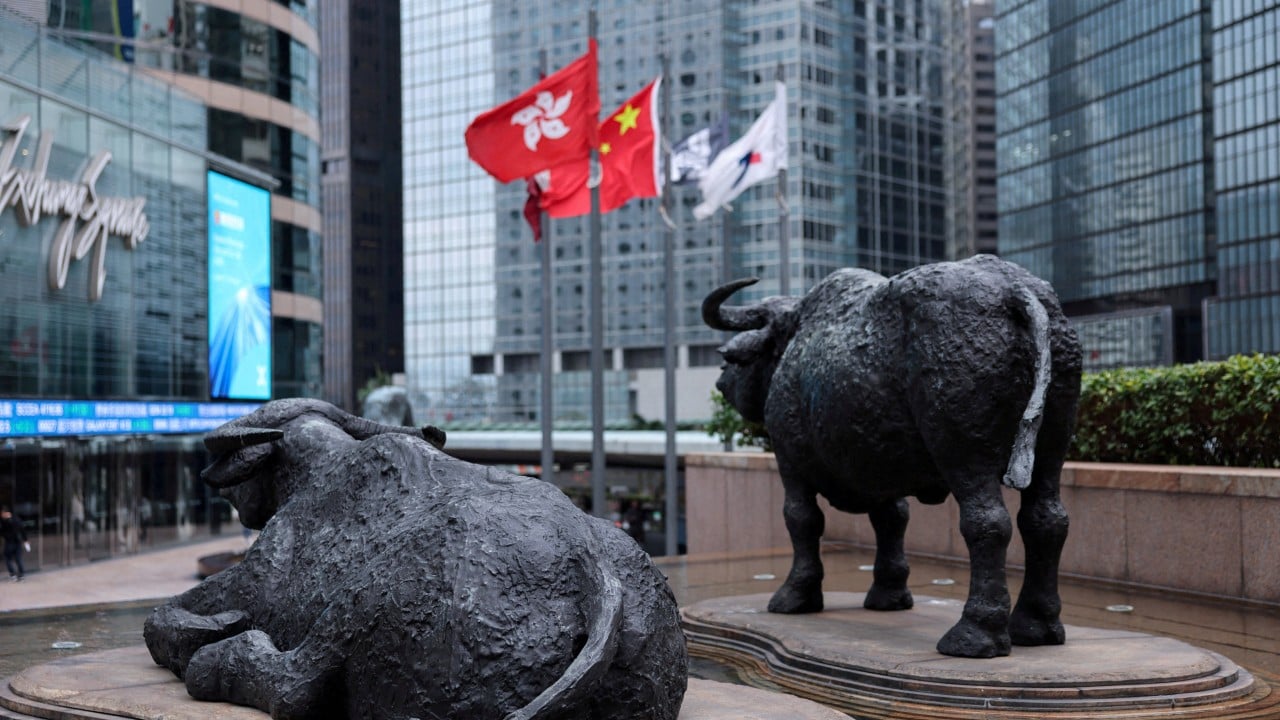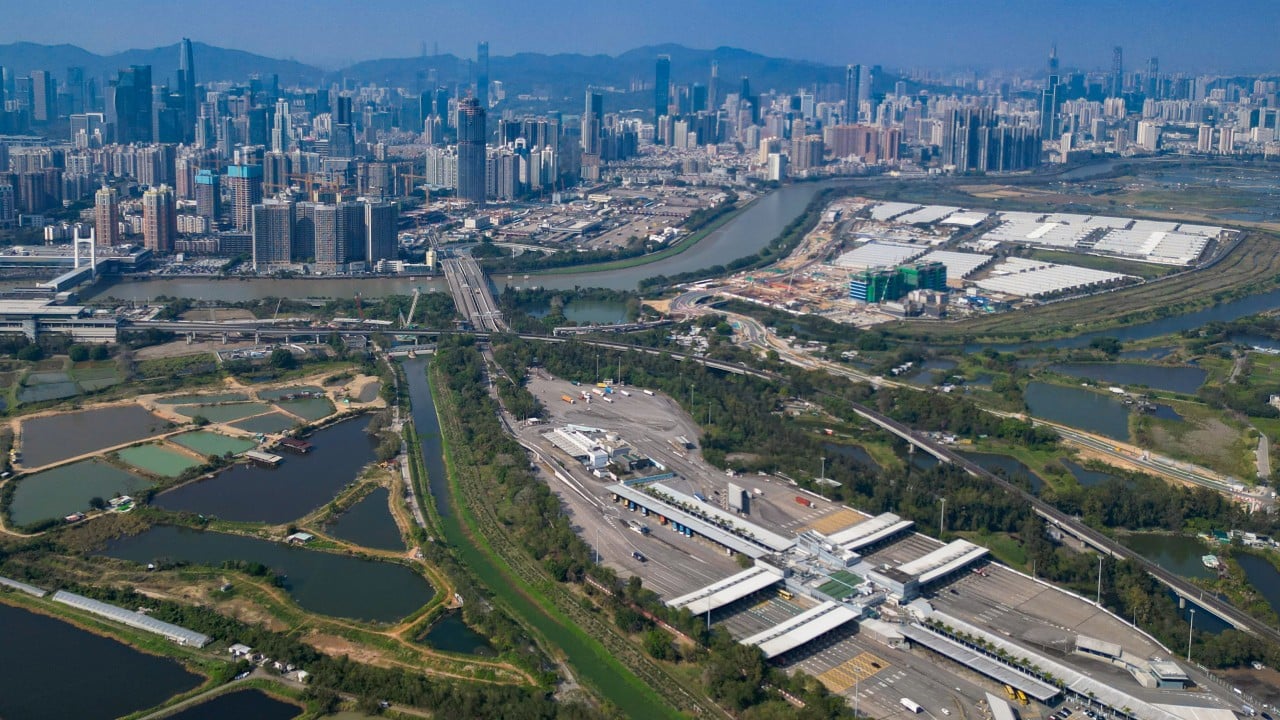
Hong Kong's property titans are no longer building for the future because they are too busy fortifying the present. For decades, the city’s skyline served as a vertical graph of unchecked ambition, but a fundamental shift in sentiment has turned the lions of real estate into cautious observers. The recent calls for "prudence" from the city's wealthiest developers are not merely suggestions for better budgeting. They are an admission that the old playbook—borrowing cheap, building fast, and selling high—has been permanently retired by a combination of high interest rates, a sluggish regional recovery, and a massive supply overhang that the market cannot easily swallow.
The End of the Land Premium Era
The strategy used to be simple. You won a land auction, secured low-interest financing, and watched as desperate buyers bid up prices for "nano-flats" and luxury towers alike. That cycle has broken. When a tycoon warns about "global uncertainty," they are specifically looking at a US Federal Reserve that isn't cutting rates as fast as the local market needs and a Mainland economy that is no longer exporting its surplus wealth into Hong Kong penthouses. Meanwhile, you can read similar stories here: Structural Accountability in Utility Governance: The Deconstruction of Southern California Edison Executive Compensation.
The math simply does not track anymore. If the cost of capital remains near 5%, and the rental yield on a new residential development hovers around 2.5%, the project is a loser from day one. Developers are currently sitting on an estimated 20,000 unsold units. In a market where buyers are waiting for a bottom that hasn't appeared, the decision to pause or scale back isn't a choice. It is a survival instinct.
Why Quality of Capital Now Trumps Quantity
We have entered an era of "defensive development." Historically, Hong Kong’s giants like CK Asset, Henderson Land, and Sun Hung Kai competed to see who could reshape the map. Today, the competition is about who can maintain the cleanest balance sheet. This isn't about a lack of money. These families sit on war chests that would dwarf the GDP of small nations. It is about the return on equity. To understand the complete picture, we recommend the detailed analysis by The Economist.
When the market was hot, developers took risks on fringe territories and massive reclamation projects. Now, they are retreating to core districts where value is "sticky." They are choosing to renovate existing assets or wait for government concessions rather than overpaying at land auctions. The government, which relies on land sales for roughly 20% of its revenue, is the one caught in the middle. By staying "prudent," the tycoons are effectively forcing the government to lower its expectations and its prices.
The Hidden Cost of the Wait and See Game
The danger of this collective hesitation is the ripple effect on the broader economy. Construction is a massive employer. When major projects get shelved, the architectural firms, engineering consultancies, and manual labor forces feel the squeeze first. But the deeper issue is the loss of momentum.
Hong Kong has always thrived on the "Big Bang" approach to infrastructure. If the private sector stops pulling its weight, the burden shifts entirely to the public purse. Projects like the Northern Metropolis or the Kau Yi Chau Artificial Islands require billions in private investment to be viable. If the tycoons remain on the sidelines, these grand visions remain exactly that—visions on a PowerPoint slide.
The Myth of Global Uncertainty as a Catch All
It is easy to blame "geopolitics" or "global macro trends" for a local slowdown. It sounds sophisticated and avoids pointing fingers at domestic policy failures or a fundamental overvaluation of the local market. However, the reality is that Hong Kong is facing a structural repricing.
For thirty years, Hong Kong real estate was the world's best hedge against inflation. That status has been challenged by the rise of Singapore as a rival wealth hub and a shift in how multinational corporations view their footprint in Asia. The tycoons know this. Their public calls for prudence are a signal to shareholders that they won't be the ones holding the bag when the next valuation adjustment hits. They are managing expectations as much as they are managing assets.
Inventory is the New Enemy
Walk through some of the newer developments in Kai Tak or the New Territories. You will see "lights out" in blocks that were sold months or years ago. Speculators have vanished. The modern buyer is a local family looking for a home, not a flipping opportunity. This shift from "investment asset" to "utility asset" means the premiums developers used to command are evaporating.
The heavyweights are responding by diversifying. You see them pouring money into London commercial real estate, Australian infrastructure, or Southeast Asian energy projects. They are hedging against their own backyard. This capital flight is quiet, but it is steady. Every dollar a Hong Kong tycoon spends on a wind farm in Europe is a dollar not being spent on a new residential wing in Tuen Mun.
The Pivot to Yield Over Growth
The focus has shifted to recurring income. Malls, hotels, and office rentals are the priority because they provide the cash flow needed to service debt in a high-rate environment. But even here, there are cracks. The rise of cross-border shopping—where Hong Kong residents head to Shenzhen for cheaper goods and better service—has hit the retail sector hard.
- Retail cannibalization: High-end malls are struggling as the "middle-class" consumer opts for value over brand prestige.
- Office vacancy: The "work from home" trend, combined with a reduction in headcount from international banks, has pushed office vacancy rates to historic highs in Central.
- The Yield Gap: If a developer can get 5% on a risk-free government bond, why would they take a 3% yield on a complex shopping mall development?
The Social Implications of Prudence
When a billionaire calls for caution, the person at the bottom of the ladder feels it as a freeze. Affordable housing initiatives often rely on private-public partnerships. If the private partner decides the risk is too high, the timeline for public housing stretches even further. The "prudent approach" for a tycoon is often a "stagnant approach" for the average citizen waiting for a better living situation.
A New Definition of Success
The winners in this cycle won't be the ones who build the tallest tower. They will be the ones who manage to keep their dividend payouts steady while their asset values are being marked down. We are seeing a shift from visionary leadership to accountant leadership. The era of the "King of Land" is over, replaced by the "Master of the Balance Sheet."
This isn't a temporary dip. It is the beginning of a long, cold autumn for the city's property sector. The tycoons aren't being pessimistic; they are being honest about a reality that many in the government are still trying to ignore. The market has reached its physical and financial limit.
Watch the next few land auctions closely. If the big players continue to abstain or submit "low-ball" bids, it will be the clearest sign yet that the prudence they preach is actually a strategy of managed decline. They are waiting for a version of Hong Kong that may never return, or they are preparing for a version that looks radically different from the one that made them rich.
Move your capital where the growth is visible, or keep it parked where the walls are thickest.