The media is hyperventilating over seven cases of Ebola in Uganda. Reporters are frantically updating tallies, graphic designers are building maps with red blinking dots over Kampala, and public health talking heads are gravely repeating that the virus has breached the border from the Democratic Republic of Congo.
This reaction is theatrical, predictable, and fundamentally wrong. In related news, we also covered: How a New Chinese Micromachine Catches Cancer Biomarkers from One Drop of Blood.
Focusing on the seven confirmed infections in Uganda is a classic example of looking at the spark while ignoring the raging forest fire next door. The obsession with counting individual patients in a capital city obscures the brutal reality of how outbreaks actually function in Central Africa. It assumes that borders matter to a virus, that international aid drops are magic wands, and that a top-down administrative lockdown can halt a pathogen thriving on regional instability.
By fixating on Uganda's single-digit case numbers, the global health apparatus is hiding its own structural failure to manage the true crisis. Medical News Today has provided coverage on this important topic in extensive detail.
The Illusion of Containment and Border Control
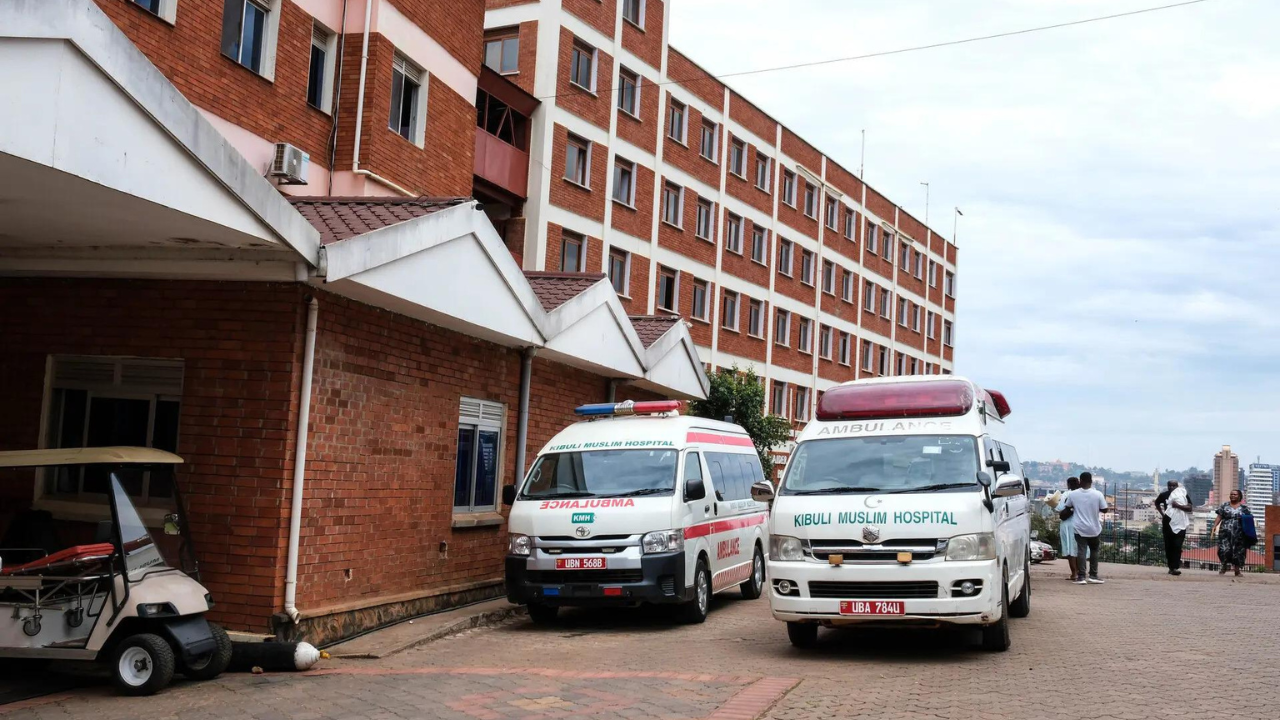
The Associated Press and other mainstream outlets are treating the seven cases in Kampala as a fresh, trackable emergency. They faithfully report that the outbreak began with a 59-year-old Congolese man who died on May 14, followed by local health workers testing positive.
Let's dismantle the premise that this is an isolated, manageable cluster.
The ongoing outbreak in eastern Congo has already surpassed 900 suspected cases, centered in the heavily volatile Ituri province. The pathogen responsible is the Bundibugyo strain. Unlike the more famous Zaire strain, the Bundibugyo variant has no approved vaccine and no established therapeutic treatment.
When dealing with an unvaccinable virus in a region defined by porous borders, mass population displacement, and informal mining corridors, the idea of "containing" transmission lines at an international border is a fantasy.
- The Mobility Reality: Thousands of people cross between eastern Congo and western Uganda daily for trade, survival, and safety.
- The Surveillance Gap: The index case in Kampala was admitted on May 11 but wasn't recognized as an Ebola patient until after his death three days later.
If a patient can travel from a conflict zone in Congo, enter a major East African capital, and spend days in a standard hospital ward before anyone sounds the alarm, the virus is not "arriving." It has already been circulating. Tracing contacts after the fact is a necessary rear-guard action, but treating a count of seven as an accurate reflection of reality is willfully ignorant.
Why Top-Down Dictates Fail the Ground Reality
The institutional playbook for an outbreak never changes: issue edicts, restrict movement, and blame the local population for not complying.
President Yoweri Museveni has ordered Ugandans to stop shaking hands, suspended public transportation between Congo and Uganda, and cancelled major religious gatherings. On paper, these sound like decisive, metrics-driven public health interventions.
In practice, they often backfire. I have spent years tracking how bureaucratic overreach collapses when forced onto informal economies. When you summarily ban public transit in a region where people live hand-to-mouth, you do not stop movement. You merely drive it underground. Instead of taking monitored, predictable transport routes, traders and travelers use unmonitored backroads and informal border crossings.
The immediate result? Public health officials lose what little visibility they had left.
"When an administration criminalizes ordinary movement during an epidemic, the sick stop presenting themselves to clinics. They hide."
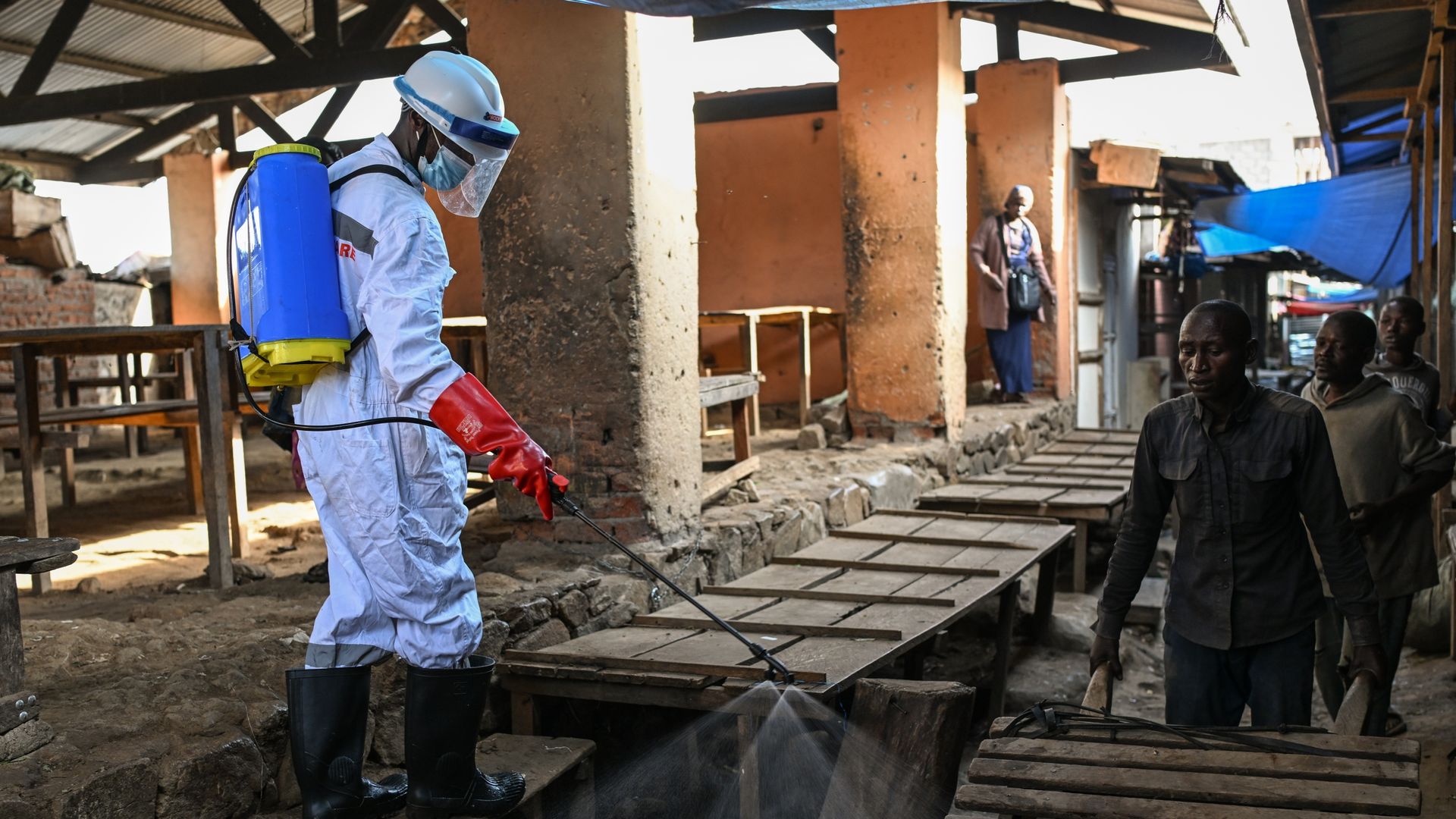
We are seeing this exact friction play out in Congo right now, where locals have actively attacked treatment centers. The media chalks this up to generic "fear and ignorance." It is not. It is a rational, albeit destructive, reaction to a historical pattern where outside authorities arrive in biohazard suits, implement harsh restrictions, offer zero long-term security, and leave once the acute crisis fades.
The Aid Budget Trap
The prevailing consensus among NGOs and media commentators is that this crisis is a financial problem. The narrative goes like this: rich nations cut international aid budgets last year, leaving health workers in eastern Congo without face shields, protective suits, and body bags. Therefore, if we simply restore the funding, the outbreak will subside.
This is a lazy diagnosis. Money cannot buy infrastructure where none exists, nor can it buy trust in a war zone.
Eastern Congo has suffered from institutional abandonment and armed violence for decades. Throwing millions of dollars of emergency equipment into a region plagued by active militia conflict without addressing the underlying governance collapse is like pouring water into a sieve. The World Health Organization has declared this a global health emergency, which unlocks funding mechanisms. But PPE and body bags require functional supply chains, secure roads, and local health workers who are not terrified of being targeted by local factions.
The downside to this contrarian view is grim: admitting that money alone cannot solve the problem means acknowledging that some outbreaks cannot be easily engineered away by international donors. It requires a long-term commitment to basic local healthcare infrastructure and regional stability, which does not fit neatly into an emergency funding cycle.
Redefining the Real Threat
If you want to understand where this outbreak is actually going, stop looking at the case counter in Kampala. Start looking at the demographics and economic drivers in Ituri.
Data from the ground shows that roughly 60% of the suspected cases are female, and the majority of infections sit squarely in the 20-to-39 age bracket. This tells us exactly how the virus is moving. It is traveling through the gold-mining corridors of eastern Congo and spreading via household caregiving networks.
[Active Mining Corridors] ──> [High Population Mobility] ──> [Cross-Border Travel]
                                                                     │
[Household Transmission]  <── [60% Female Inundation]     <── [Kampala Clusters]
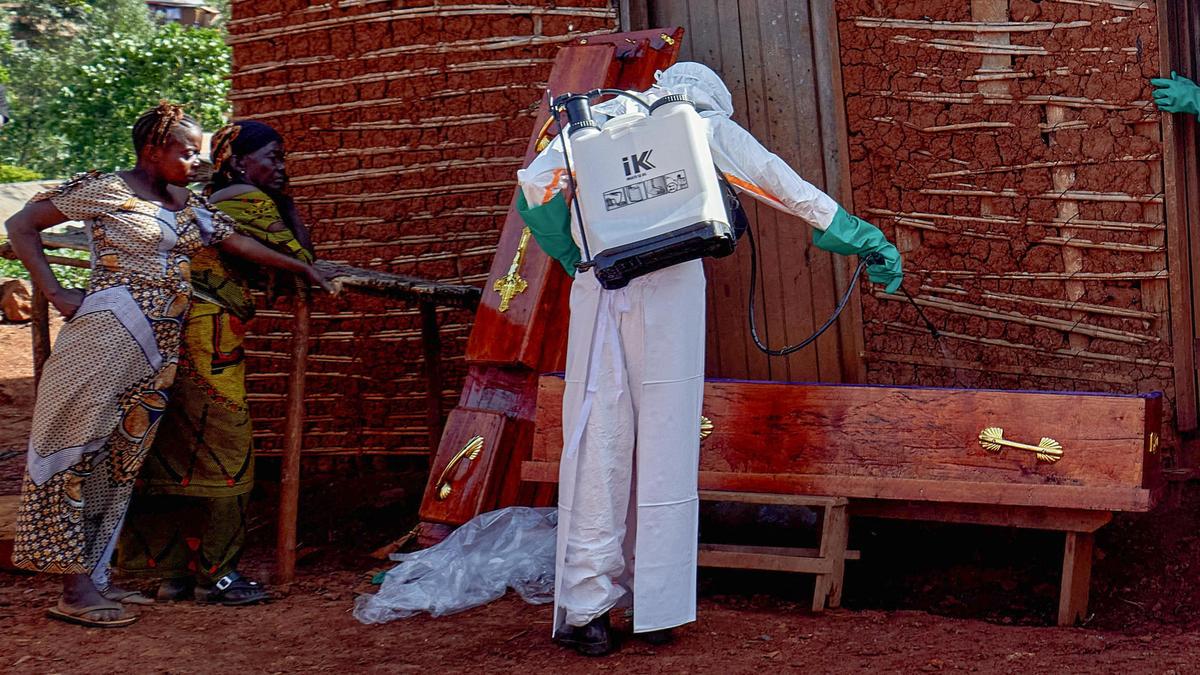
In these communities, women are the primary caregivers and the ones responsible for traditional funeral rituals, which involve washing the highly contagious bodies of the deceased. No amount of border closures between Uganda and Congo will change the internal economic necessity of the mining trade or the cultural obligations of burial.
The real question we should be asking is not "How do we stop people from crossing the border?" The question is "How do we make caregiving and mining safer in a zone of active conflict?"
Until the international health response shifts its focus from counting the highly visible, politically sensitive cases in capital cities to addressing the invisible, structural drivers in the bush, the virus will stay steps ahead of the response. The seven cases in Uganda are not a new front in the war against Ebola. They are a mirror reflecting the failure to contain it where it started. Stop looking at the scoreboard and start looking at the field.