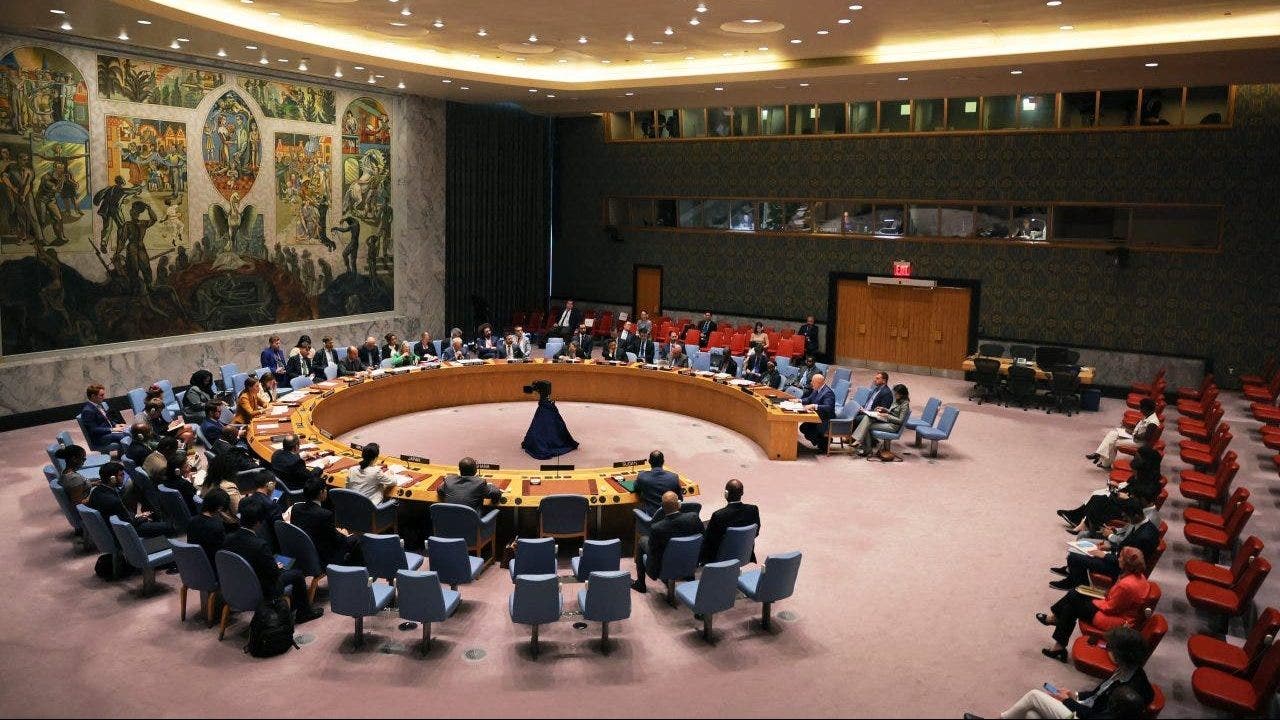
The press release cycle is predictable. A blue helmet gets hit, the UN Secretary-General issues a "stern condemnation," and the world pretends the status quo is a functional strategy. It isn’t.
Antonio Guterres is currently playing a losing hand with a deck he knows is rigged. When he calls for "ceasefire respect" following attacks on the United Nations Interim Force in Lebanon (UNIFIL), he is reinforcing a dangerous fiction: that UNIFIL has the mandate, the means, or the permission to actually stop a war. Meanwhile, you can find similar stories here: The Diplomatic Delusion Why Radhakrishnans Visit to Sri Lanka is a Strategic Smoke Screen.
If we want to stop seeing peacekeepers in body bags, we have to stop treating them like a decorative border fence.
The Mandate Trap
The "lazy consensus" among diplomats is that UNIFIL’s presence acts as a buffer. It doesn't. Since 2006, Resolution 1701 has been the gold standard of international failure. It tasked UNIFIL with ensuring the area between the Blue Line and the Litani River was free of unauthorized weapons and personnel. To understand the full picture, we recommend the detailed article by BBC News.
Look at the data. In those decades, the region became one of the most heavily militarized zones on the planet. UNIFIL didn't prevent this; they observed it.
When you send troops into a meat grinder with instructions to only "monitor" and "support," you aren't creating peace. You are creating targets. The current outrage over attacks on UNIFIL is technically correct but strategically hollow. These outposts are sitting ducks by design because the international community lacks the spine to give them a Chapter VII mandate—the power to actually enforce the peace they are supposedly keeping.
The Myth of Neutrality in a Crossfire
The Secretary-General’s rhetoric relies on the idea of "sanctity." He speaks as if the blue flag carries a physical shield. In modern asymmetric warfare, that flag is often viewed by combatants not as a barrier, but as a blind spot to be exploited or a nuisance to be cleared.
- Scenario A: One side uses UN positions as human shields or tactical cover.
- Scenario B: The other side views those positions as obstacles to neutralizing threats.
In both scenarios, the peacekeeper loses. Condemning the "deadly attack" treats the event like an anomaly. It isn't an anomaly; it is the logical conclusion of placing unarmed or restricted observers in the middle of a high-intensity urban conflict.
The High Cost of Symbolic Presence
I have watched missions like this burn through billions of dollars while the "experts" in New York pat themselves on the back for "maintaining a presence."
Presence is not a policy. It is a posture.
If UNIFIL cannot search private property for weapons—which they effectively cannot without the Lebanese Armed Forces, who are often unwilling or unable to help—then UNIFIL is essentially a very expensive travel agency for soldiers from contributing nations. We are paying in blood and gold for a "buffer" that hasn't buffered anything since the first rocket crossed the line.
Stop Asking for Ceasefires and Start Asking for Capabilities
The "People Also Ask" sections of the internet are filled with queries like "Why can't the UN stop the fighting in Lebanon?"
The honest, brutal answer: Because we didn't hire them to.
We hired them to stand there so we could feel better about not solving the underlying political rot. Antonio Guterres calling for a ceasefire is like a man asking a hurricane to move five miles to the left. It ignores the physics of the situation.
If the UN wants to be relevant, it needs to stop issuing press releases that read like Mad Libs for bureaucrats.
- Demand a "Move or Mutate" Policy: Either UNIFIL gets the authority to proactively disarm groups in their AO, or they should be withdrawn.
- Acknowledge the Failure of 1701: Stop citing a resolution that has been dead for years. Admitting the framework failed is the only way to build a new one.
- End the Rhetoric of Shock: Every time a Secretary-General says they are "appalled," they lose a shred of credibility. This is war. Combatants hitting observers in a chaotic zone is a known variable. Stop being shocked and start being realistic.
The Diplomacy of Cowardice
The current international stance is a form of diplomatic cowardice. We keep UNIFIL in place because withdrawing them would be an admission of total failure. It would signal that the international community has no control over the Levant.
But staying in place without a change in engagement rules is just slow-motion suicide for the mission.
The "superior" take here isn't that we should abandon Lebanon. It’s that we should stop lying about what UNIFIL is doing there. They are not "keeping" a peace that doesn't exist. They are holding a line that has already been erased.
We see the same pattern in every major conflict: the UN waits for a tragedy, issues a condemnation, and then waits for the next tragedy. It’s a loop of performative grief.
Why the Status Quo is the Real Enemy
The competitor article focuses on the "respect for international law." That sounds great in a lecture hall. In a bunker under fire, it’s meaningless. International law only works when there is a credible threat of enforcement.
UNIFIL is the enforcement arm that was never allowed to use its muscles.
By demanding "respect" for the mission, Guterres is asking for a courtesy that doesn't exist in 21st-century warfare. He is asking for the 1990s back. He is asking for a world where the UN’s moral authority outweighed a missile’s flight path. That world is gone.
If the UN continues to prioritize "presence" over "purpose," they aren't peacekeepers. They are involuntary martyrs for a failed bureaucratic dream.
Stop condemning the attacks and start condemning the mandate that put those soldiers in a position where they were forced to be targets.
Either give them the power to fight back or get them out of the way. Anything else is just theater with a body count.