The illusion of negotiated peace in Colombia has officially evaporated. President-elect Abelardo De La Espriella signaled a total dismantle of his predecessor’s security strategy by appointing retired Major General Jorge Eduardo Mora López as his incoming defense minister. This choice effectively terminates the "Total Peace" agenda championed by outgoing President Gustavo Petro, replacing it with a doctrine of absolute military enforcement. Mora, a hardened veteran of special operations and military intelligence, takes the reins of a fractured security apparatus on August 7, 2026. His mandate is unambiguous: strip illegal armed groups of their territorial strongholds and restore state authority through unyielding force.
The transition marks a violent pivot in South American geopolitics. For four years, the Colombian state engaged in sputtering, often frustrating negotiations with various guerrilla factions, criminal syndicates, and drug cartels. The incoming administration views those four years as a period of unilateral concessions that allowed criminal groups to consolidate power, expand illegal mining operations, and run sophisticated extortion rackets in major urban centers. By bringing Mora out of retirement, De La Espriella is signaling to both domestic factions and international allies that the era of the olive branch is over. The rifle has returned to the center of Colombian statecraft. In similar developments, take a look at: The House That Outlived an Exile.
The Special Forces Commander Stepping Out of the Shadows
Jorge Eduardo Mora López is not a political bureaucrat. He is a combat commander who spent over thirty-five years climbing the ranks of the Colombian military, operating primarily in regions where the state exists only as a flag on a uniform. Born in the border city of Cúcuta, Mora’s understanding of asymmetric warfare was forged in the fire of Colombia's brutal internal conflict. He belongs to a prominent military dynasty. His older brother, General Jorge Enrique Mora Rangel, commanded the entire military during the peak of the offensive against the FARC in the early 2000s.
Mora’s resume reads like a manual for counter-insurgency operations. He previously served as the commander of the Joint Special Operations Command, an elite unit tasked with high-value targeting. He also directed the Joint Intelligence and Counterintelligence Department, giving him an intimate understanding of the financial and logistical networks that keep illegal armed groups alive. When Petro assumed the presidency in 2022, Mora was among the wave of traditionalist generals who stepped down or were pushed out as the government shifted toward a less aggressive stance. His return to public service as the civilian head of defense is an explicit rebuke of the policy that sidelined him. NBC News has analyzed this important subject in great detail.
Deconstructing the Failure of Total Peace
To understand why De La Espriella won the presidency on a platform of severe military crackdowns, one must examine the operational reality of the past few years. The outgoing administration attempted to negotiate simultaneous ceasefires with the National Liberation Army, known as the ELN, alongside several dissident factions of the former FARC who rejected the 2016 peace accords. The result on the ground was far from peaceful.
Instead of disarming, these criminal groups used the diplomatic breathing room to map out new territory. Intelligence reports indicate that while offensive actions against state forces dropped during various ceasefire windows, territorial fighting between rival criminal factions skyrocketed. The civilian population caught in the middle faced unprecedented levels of confinement, forced displacement, and forced recruitment of minors.
The strategy lacked a crucial mechanism: enforcement. Without a credible threat of military eradication, criminal organizations had zero incentive to compromise. Drug production reached historic highs, with coca cultivation expanding across traditional strongholds in Catatumbo, Nariño, and Putumayo. The state’s reluctance to deploy the full weight of its military assets created a vacuum. Criminal syndicates filled it.
The Urban Battlefield and the New Strategy
The most immediate crisis facing the incoming defense minister is not hidden in the dense jungles of the Amazon or the mountains of the Cauca region. It is happening in the streets of Bogotá, Medellín, and Cali. Extortion has transformed from a localized rural problem into a systematic urban epidemic. Small business owners, transport drivers, and neighborhood merchants face daily demands for protection money from transnational gangs like the Tren de Aragua and localized criminal networks.
De La Espriella has already moved to address this through an upcoming executive decree establishing the Urban Security Defense Block. This initiative aims to coordinate intelligence and tactical responses across major municipalities, treating urban crime not merely as a police matter but as a national security threat. Mora will oversee this integration, bridging the gap between localized police forces and military intelligence assets.
Territory and the Tactical Shift
| Region | Primary Threat Vector | Planned Operational Focus |
|---|---|---|
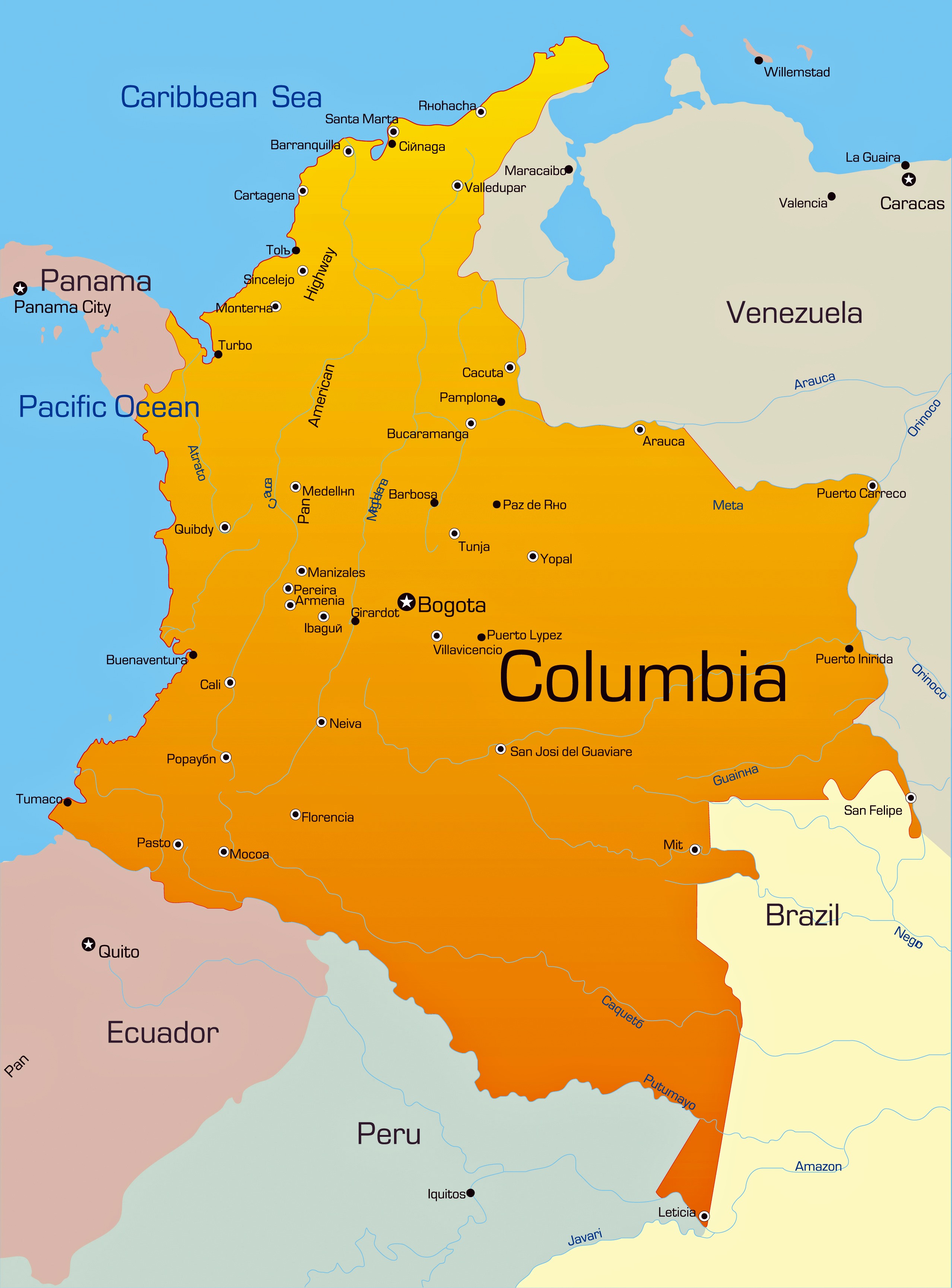
| Catatumbo / Venezuelan Border | ELN and Transnational Smuggling | Joint Border Task Forces and Intelligence Interdiction |
| Pacific Coast (Nariño/Chocó) | FARC Dissidents and Clan del Golfo | Maritime Blockades and Rural Insertion Campaigns |
| Urban Centers (Bogotá/Cali) | Extortion Networks and Micro-trafficking | Urban Security Defense Blocks and Localized Raids |
The shift from rural containment to active urban intervention presents significant legal and operational hurdles. The Colombian police force, which falls under the jurisdiction of the Ministry of Defense, has historically struggled with internal corruption and resource constraints. Mora must clean house within the police echelons while simultaneously deploying them in high-intensity urban operations alongside military units.
The Geopolitical Ramifications of an Ultra Right Doctrine
Mora’s appointment resonates far beyond the borders of Colombia. De La Espriella has openly aligned himself with regional and global nationalist figures, pledging that Colombia will serve as a cornerstone of continental security efforts. This alignment implies a major shift in relations with Washington. The previous administration’s friction with United States counter-narcotics agencies over the suspension of aerial fumigation of coca crops is expected to end.
Mora is likely to push for a resumption of aggressive eradication efforts, potentially including the controversial use of glyphosate, provided legal hurdles can be cleared. This will require substantial financial and logistical backing from the United States. Washington will find a familiar partner in Mora, whose background in intelligence involved deep coordination with American security agencies.
However, this aggressive stance introduces friction with neighboring Venezuela. The ELN and various dissident factions have long utilized Venezuelan territory as a safe haven, operating with varying degrees of tolerance from the Caracas regime. A military doctrine that emphasizes chasing these groups to the absolute edge of Colombian territory increases the risk of border skirmishes and diplomatic standoffs. Mora’s tenure will test the limits of cross-border deterrence.
The True Cost of Tactical Success
The incoming minister faces an institutional machine that has been fundamentally altered over the last four years. The morale of the rank-and-file soldier is low, eroded by shifting rules of engagement and a perception that the political leadership did not support them. Mora’s first task is psychological. He must convince the troops that the state intends to win the conflicts it engages in.
This return to a hardline strategy carries severe risks that cannot be ignored. The dark history of the "false positives" scandal—where civilians were murdered by soldiers and registered as combat casualties to meet performance metrics during the Uribe administration—hangs over any mention of a military offensive. Mora will have to enforce strict human rights standards while demanding high combat efficacy. If he fails to maintain this balance, the administration will lose the domestic legitimacy required to sustain a long-term campaign.
Furthermore, the financial burden of rebuilding a conventional offensive capability will squeeze an already strained national budget. Purchasing advanced hardware, upgrading intelligence infrastructure, and sustaining thousands of troops in the field requires massive capital. The administration is gambling that improved security will trigger a surge in foreign investment, offsetting the immense cost of the military campaign. It is a high-stakes economic calculation.
A Nation Bracing for Impact
The appointment of Jorge Eduardo Mora is a definitive declaration that Colombia is returning to war to achieve peace. The gray areas of negotiation have been rejected in favor of a black-and-white pursuit of total dominance over the national territory. For the average citizen in Arauca or the barrios of Buenaventura, this shift means the coming months will likely bring an escalation of violence before any semblance of stability is reached. Criminal groups will not surrender their multi-million dollar illegal operations without a fight. Mora has the tactical expertise to lead the charge, but the true test will be whether the state can hold the ground his soldiers clear.
Journalistic analysis on the breaking political and military transition in Colombia explores the strategic implications of bringing an experienced combat general back into leadership to replace failed diplomatic initiatives.