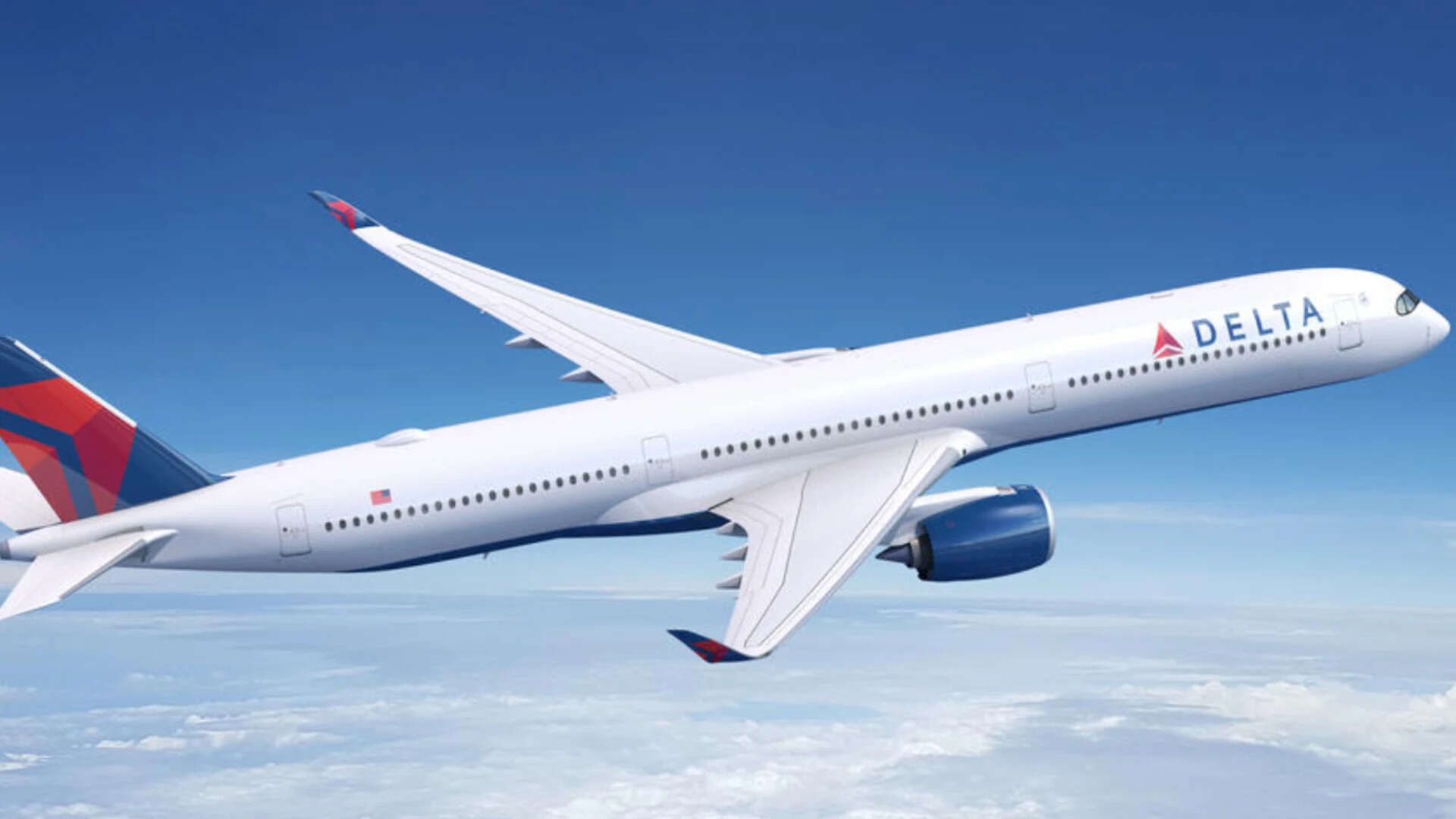
You’re cruising at 30,000 feet, nursing a lukewarm coffee, when you feel the aircraft suddenly bank into a sharp turn. The captain comes on the intercom with that calm, low-frequency voice pilots use to mask serious trouble. "Folks, we're making an unscheduled landing."
That's exactly what happened to 187 passengers aboard Delta Air Lines Flight 337. The flight left Orlando on a routine trek north to Detroit. It didn't make it. Instead, a mysterious smell inside the cockpit forced the flight crew to declare an emergency and drop the plane straight into Charlotte, North Carolina.
Airlines hate diverting planes. It costs tens of thousands of dollars in fuel, landing fees, hotel vouchers, and logistical chaos. Yet, when an unidentified scent hits the flight deck, pilots don't hesitate. They pull the plug on the flight immediately. Here is what really happens when an odor hijacks a commercial jet, why it keeps happening to Delta, and what it means for your next flight.
The Reality of Flight 337 and the Delta Odor Pattern
When Delta Flight 337 experienced its cockpit emergency, the crew followed a rigid safety protocol. The moment an unusual smell was detected, the pilots donned oxygen masks, notified air traffic control, and triggered an emergency status. The plane landed safely at Charlotte Douglas International Airport, where emergency vehicles met the aircraft on the tarmac.
Delta apologized, tossed out hotel and meal vouchers, and re-scheduled the passengers to fly to Detroit the following day. But the airline kept tight-lipped about the actual cause. The aircraft went straight to a maintenance hangar for evaluation.
Honestly, this isn't an isolated fluke. It’s part of a frustrating pattern. Delta has been battling a string of phantom smells and cabin fumes across its fleet over the past couple of years.
- June 2026: Delta Flight 1101 from Atlanta reported fumes in the cockpit during its descent into Norfolk.
- February 2026: A transatlantic Delta flight from Paris to Atlanta turned around over the English Channel and diverted to London Heathrow because an intense odor filled the cabin right after takeoff.
- October 2025: Delta Flight 59 from London to Boston had to rush back to Heathrow after thick fumes filled the flight deck, forcing pilots into oxygen masks for a heavy, overweight landing.
- Early 2025: A New York to Orlando flight ended up in Raleigh-Durham because of a mysterious cabin stench.
What's going on with these planes?
The Anatomy of an Inflight Odor
A weird smell in an airplane isn't just an annoyance like sitting next to someone eating leftover fish. It’s a major mechanical red flag. The aviation industry divides these events into two categories: simple odor events and toxic "fume events."
Most modern commercial aircraft rely on a "bleed-air" system to keep you breathing comfortably at high altitudes. Fresh air is sucked through the jet engines, compressed, cooled, and pumped into the cabin and cockpit.
The system works beautifully until a seal breaks. If an engine seal or an Auxiliary Power Unit (APU) seal fails, synthetic engine oil or hydraulic fluid leaks into the super-heated air stream. This vaporizes the chemicals and pumps them directly into the air vents.
Aviation mechanics categorize these smells by what they resemble to help diagnose the issue:
- Dirty Socks or Wet Dog: This is the classic signature of oil contamination in the bleed-air system.
- Acrid, Sharp, or Metallic: Usually indicates a burning electrical component or wire insulation melting.
- Sweet or Chemical: Often points to a hydraulic fluid leak.
Why Pilots Panic and Drop the Plane
Pilots don't divert flights because they dislike bad smells. They divert because engine oil contains organophosphates—neurotoxic chemicals used as anti-wear additives.
When these chemicals vaporize, they can cause immediate physical impairment. Prominent neurologists have noted that exposure to toxic cabin fumes can trigger dizziness, blinding headaches, vomiting, impaired thinking, and even total loss of consciousness.
If a flight attendant faints in the aisle, it's a medical emergency. If both pilots pass out at the controls, it's a catastrophe.
That's why aviation regulations dictate that if an odor or smoke hits the cockpit, pilots must immediately put on full-face oxygen masks and land at the nearest suitable airport. They don't wait to see if the smell goes away. They treat every scent as a potential chemical hazard.
What to Do If Your Flight Experiences a Fume Event
While these diversions grab headlines, they are statistically rare compared to the thousands of flights that land without incident every day. But if you find yourself on a plane where a strange, chemical, or burning smell suddenly fills the air, you need to handle it smartly.
Document the Experience Immediately
Take out your phone and write down a timeline. Note when you first smelled it, what it smelled like (e.g., dirty socks, electrical burning), and whether you feel physically altered. If you experience dizziness, nausea, or tingling in your fingers, log it. This documentation is vital if you need medical evaluation later.
Speak Up to the Crew
Don't sit there silently wondering if you're overreacting. Tell a flight attendant immediately. Flight crews are trained to investigate odors, and your report could give them the early warning they need to notify the pilots before anyone gets sick.
Maximize Your Personal Airflow
Turn your overhead gasper vent on full blast. While airplane air is recirculated, it passes through high-efficiency particulate air (HEPA) filters that catch many contaminants, though they won't entirely eliminate chemical vapors. Getting moving air across your face can help reduce localized concentrations of fumes.
Know Your Passenger Rights
When an airline diverts a plane due to a mechanical issue or an unexplained odor, they owe you accommodation. If the delay stretches overnight—as it did for the Delta passengers in Charlotte—the airline is required to provide hotel vouchers and meal tickets. Demand these at the customer service desk immediately. Don't let them convince you that a mechanical issue is an "act of God" or an uncompensated delay.