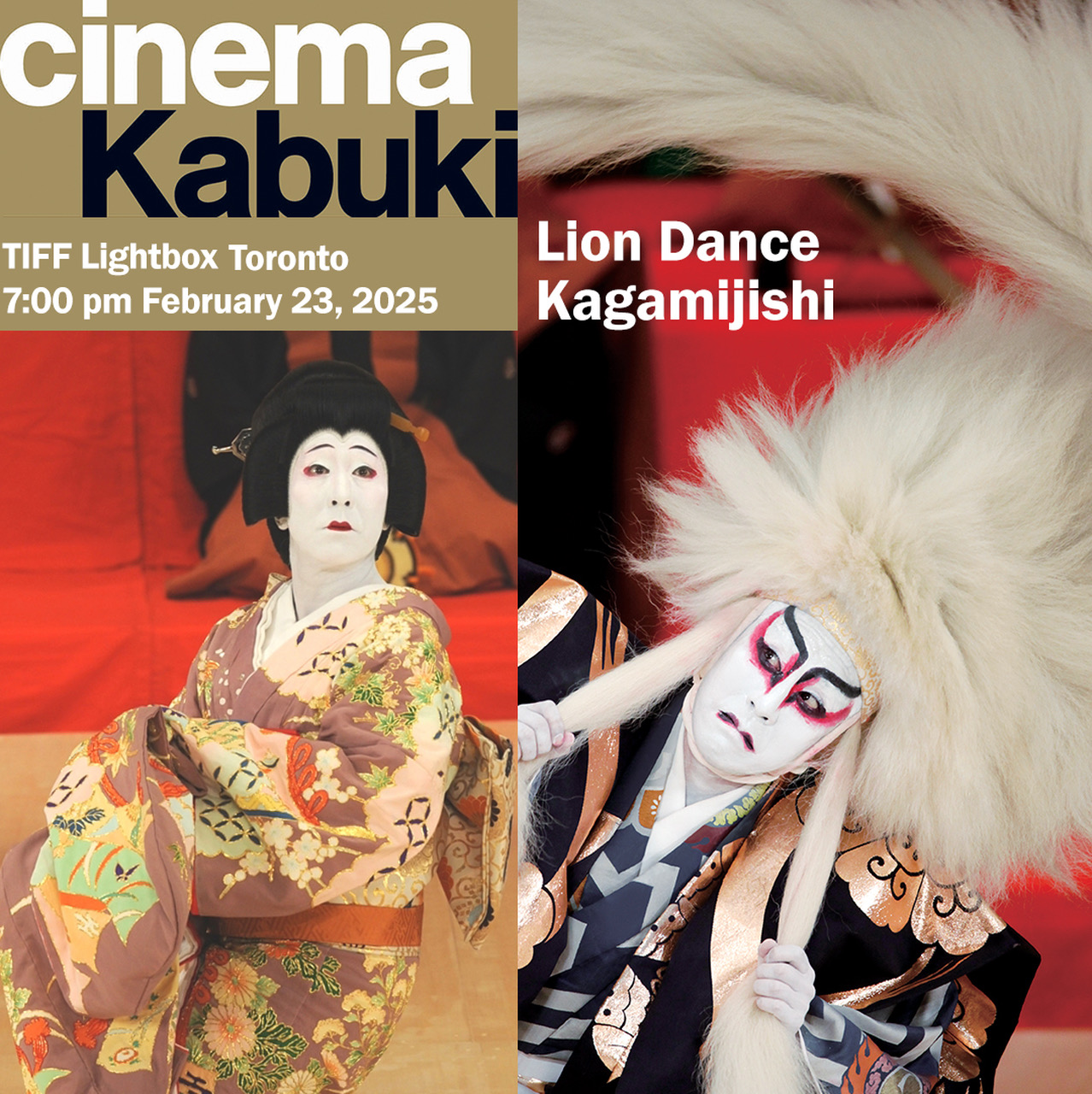
You’d expect a four-hour performance of 17th-century theater to be a hard sell in the age of TikTok. Most people think kabuki is a dusty relic, something grandparents watch while dozing off in expensive seats. But the numbers tell a different story. When Akoya or Renjishi hits the big screen in Japan, they aren't just filling niche art houses. They’re shattering expectations and pulling in millions at the box office. This isn’t a fluke. It’s a calculated, high-tech revival that’s keeping a traditional art form alive by refusing to stay stuck in the past.
The secret isn’t just filming a stage play. It’s "Cinema Kabuki." This isn't your standard grainy recording of a live event. Shochiku, the powerhouse studio behind these releases, uses high-definition cameras and sophisticated sound design to put you closer than the front row. You can see the sweat on the actor’s brow and the intricate embroidery on a kimono that costs more than a luxury car. It’s visceral. It’s loud. And frankly, it’s a lot more accessible than trekking to the Kabuki-za in Tokyo.
Digital screens are the new stage for ancient stories
Traditional kabuki has a barrier to entry that’s frankly intimidating. The tickets are pricey. The etiquette is strict. If you don’t know the history of the "Mie" pose or the "Hanamichi" walkway, you might feel like an outsider. Cinema Kabuki strips all that away. For about 2,000 yen—roughly the price of a standard movie ticket—anyone can walk in and experience the spectacle.
It’s about democratization. By bringing these performances to local cinemas in Sapporo, Fukuoka, and rural towns, Shochiku tapped into an audience that physically couldn't attend a live show. They’re using the same distribution model as Hollywood blockbusters to sell 400-year-old ghost stories and revenge tragedies. It works because the drama is universal. You don't need a degree in Japanese history to understand a mother's grief or a warrior's betrayal when it’s projected thirty feet high.
Why the close-up changed the game for actors
In a massive theater like the Minami-za, an actor’s performance has to be big. It has to reach the back of the balcony. Subtle facial expressions often get lost in the sheer scale of the building. Cinema Kabuki flipped the script. The use of multiple camera angles means the director can guide your eyes exactly where they need to be.
When Bando Tamasaburo V, a legendary onnagata (a male actor who plays female roles), performs, the camera lingers on the minute movements of his fingers or the slight shift in his gaze. You see the mastery in a way that’s impossible from seat 24B in a live theater. This intimacy creates an emotional connection that stage performances sometimes struggle to maintain with a casual viewer. It’s the difference between watching a parade and having a conversation.
Breaking the language barrier with technology
Let’s be real. Even for native Japanese speakers, the archaic language used in classical kabuki can be a headache. It’s like a modern English speaker trying to navigate a Shakespeare play without any footnotes. Cinema Kabuki often includes subtitles or clearer audio mixes that help bridge this gap. Some screenings even offer "explainer" versions where the context is provided through clever editing or brief introductions.
This isn’t "dumbing it down." It’s providing a ramp. Once you understand the stakes of the scene, the stylized movements and chanting stop being weird and start being powerful. You stop worrying about the grammar and start feeling the rhythm.
The star power behind the box office surge
Japan loves its idols, and kabuki families are the original celebrities. Names like Ichikawa Ebizo (now Danjuro XIII) or Onoe Kikunosuke carry immense weight. These actors aren't just stage performers; they’re fashion icons, TV stars, and brand ambassadors. When a Cinema Kabuki film features a superstar, their massive fanbases follow them to the theater.
It’s a smart cross-promotion strategy. A teenager might follow an actor on Instagram because he appeared in a popular TV drama, then find themselves buying a ticket to see him in a Cinema Kabuki version of Yoshitsune and the Thousand Cherry Trees. The spectacle of the makeup and the "Kumadori" paint is naturally "Instagrammable." It’s visual candy that happens to have deep historical roots.
High fidelity sound and the roar of the crowd
The audio experience in a cinema is often superior to a live hall, depending on where you sit. In a Cinema Kabuki production, the nagauta (long song) and the sharp crack of the ki (wooden clappers) are mixed specifically for surround sound. The vibrations hit you in the chest. You hear the rustle of the silk costumes.
They also capture the "Kakegoe"—the ritualized shouting from the audience. In a live setting, specialized fans yell out the actor’s "yago" (guild name) at key moments. This is preserved in the films, maintaining the energy of a live crowd. It prevents the movie from feeling sterile. You feel the community aspect of the theater even if you’re sitting in a theater in a mall.
Shorter runtimes for a faster world
A full day at the kabuki theater is an endurance test. We're talking five or six hours with multiple intervals. Cinema Kabuki releases are usually curated. They focus on a single play or a selection of famous dances. This "best of" approach fits perfectly into a modern schedule. You can grab lunch, watch a masterpiece for two hours, and still have your afternoon free.
This curation helps highlight the most visually stunning or emotionally resonant parts of the repertoire. It's the gateway drug. Many people who started with the cinema versions eventually end up buying that expensive ticket for the live show because they want to see the "real thing" after being primed by the film.
The economic reality of cultural preservation
Maintaining kabuki is expensive. The costumes are handmade. The sets are massive. The training takes decades. By filming these performances, Shochiku creates a permanent revenue stream that doesn't rely on selling out a specific physical space every night. It’s a recurring asset.
A performance recorded five years ago can be re-released or screened internationally, bringing in capital that goes right back into the training of the next generation of actors. It’s a sustainable loop. Without this digital pivot, kabuki might have stayed a luxury for the elite. Instead, it’s a box office contender.
How to start your Cinema Kabuki journey
If you're curious, don't just jump into the longest history play you can find. Start with something heavy on dance and visuals. Look for titles like Kagami-jishi (The Lion Dance) or Nezumi Kozo. These are high-energy, visually explosive, and require less "homework" to enjoy.
Check the schedules for Shochiku’s "Togo Cinema" or specialized art houses. Many international film festivals now include a Cinema Kabuki segment in their lineup. It's the most painless way to experience one of the world's most complex art forms without feeling lost in translation. Grab some popcorn, ignore the "no talking" rule if it’s a special "cheering" screening, and watch how a 400-year-old tradition handles a 4K projector. It’s better than you think.