Energy price shocks do not impact the Canadian economy as a monolithic event; they act as a multi-stage transmission mechanism that simultaneously strengthens the currency, inflates the industrial cost base, and redistributes wealth from the consumer to the resource sector. While Canada is a net exporter of crude, the structural disconnect between upstream production in the West and downstream consumption in the East creates a friction-filled economic profile. To understand the impact of a price spike, one must look past the "oil-rich" narrative and analyze the specific pressure points within the Canadian supply chain, the tax-transfer system, and the consumer basket.
The Tri-Lens Model of Oil Transmission
The impact of oil price fluctuations on Canada is governed by three distinct vectors that often work in opposition. Analyzing these vectors clarifies why a "booming" energy sector does not always translate to a prosperous household.
1. The Terms of Trade and Currency Correlation
Canada’s status as a major energy exporter links the Canadian Dollar (CAD) to the price of West Texas Intermediate (WTI) and Western Canadian Select (WCS). When oil prices rise, the CAD typically appreciates against the USD.
- Export Advantage: Energy producers realize higher revenues, increasing corporate tax takes and provincial royalties.
- The Manufacturing Penalty: An appreciated CAD makes Canadian-manufactured goods—predominantly from Ontario and Quebec—more expensive for foreign buyers. This creates a "Dutch Disease" scenario where the resource sector’s success actively erodes the competitiveness of the industrial heartland.
- Import Buffering: A stronger CAD partially offsets the rise in oil prices by increasing the purchasing power for imported goods, though this rarely neutralizes the pump-price increase for the end consumer.
2. The Direct Cost of Intermediate Inputs
Oil is not just a fuel; it is a fundamental input in the production of almost all physical goods. The "Price-to-Shelf" lag is the time it takes for a barrel of oil to manifest as a more expensive head of lettuce or a plastic component.
- Logistics and Freight: Canada’s vast geography makes it exceptionally sensitive to transportation costs. Every kilometer of the supply chain carries a "diesel tax." When Brent or WTI spikes, freight surcharges are immediately applied by rail and trucking firms, which are then passed to wholesalers.
- Petrochemical Feedstocks: From fertilizers to plastics, oil derivatives are the foundation of the agricultural and manufacturing sectors. A rise in crude prices increases the cost of crop production (fertilizer) and packaging, creating a compounded inflationary effect on food.
3. The Household Budget Reallocation
For the average Canadian household, energy is an "inelastic good." Consumers cannot easily reduce their commute or stop heating their homes in February. This lack of elasticity means that for every dollar oil prices rise, a specific amount of discretionary income is liquidated.
The Regional Asymmetry Problem
National averages mask the localized trauma of oil volatility. The Canadian economy is a collection of regional economies with divergent interests in the energy market.
The Western Surplus Logic
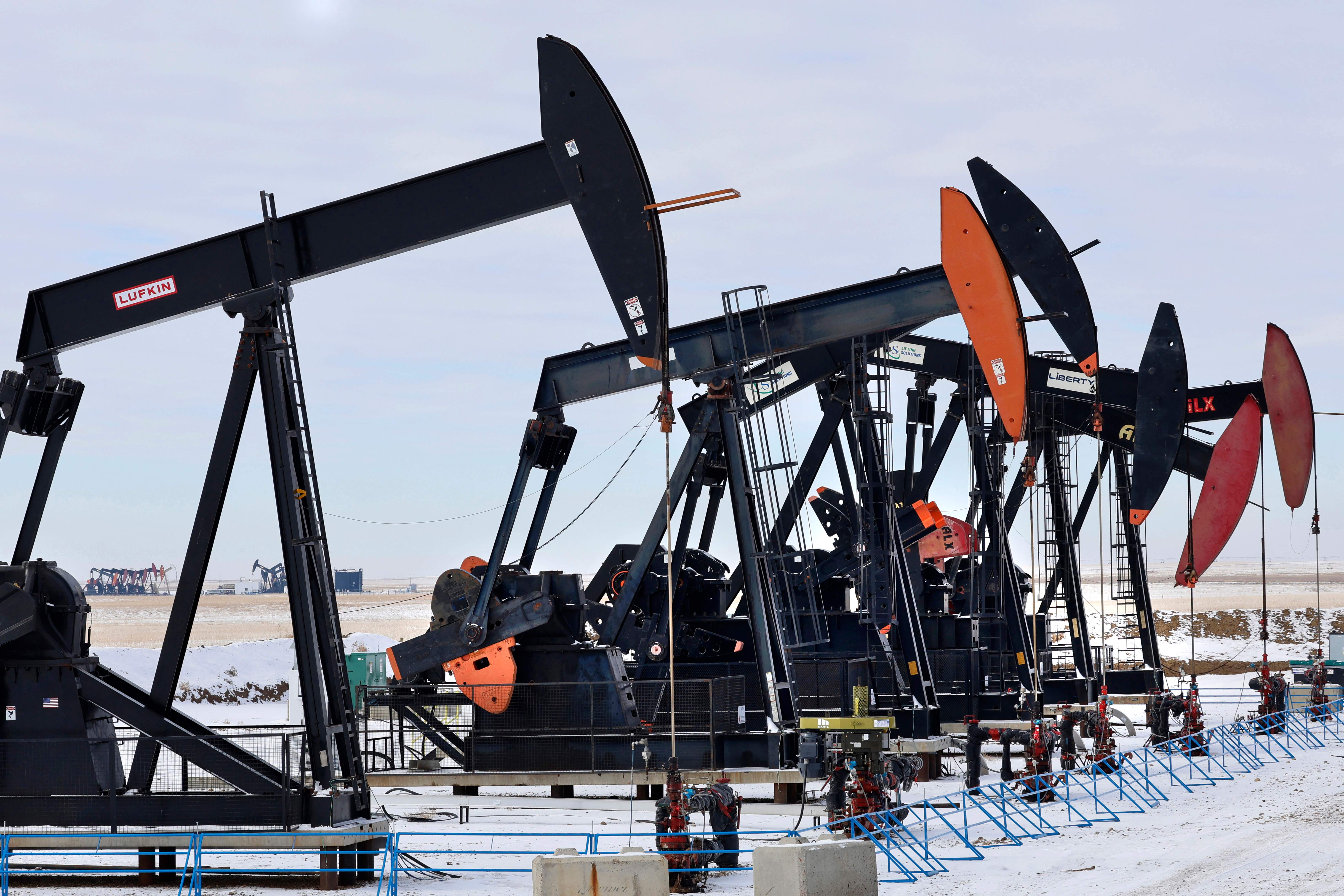
In Alberta, Saskatchewan, and Newfoundland and Labrador, high oil prices trigger a capital expenditure (CapEx) cycle. Energy firms increase investment in drilling and infrastructure, which drives employment and high-wage growth. This regional GDP growth often skews national data, making the country appear more resilient than it is on a per-province basis.
The Central and Eastern Deficit
Ontario, Quebec, and the Maritimes are net consumers of energy. These provinces possess high concentrations of manufacturing and service industries that gain nothing from high oil prices but lose significantly through increased operational costs. In these regions, oil price spikes function as a regressive tax, pulling liquidity out of the local economy and transferring it to the federal treasury or energy-producing regions.
The Refined Product Bottleneck
A common misconception is that because Canada has vast oil reserves, it should be immune to price spikes. This ignores the reality of midstream and downstream infrastructure. Canada exports heavy crude and imports refined products like gasoline and heating oil.
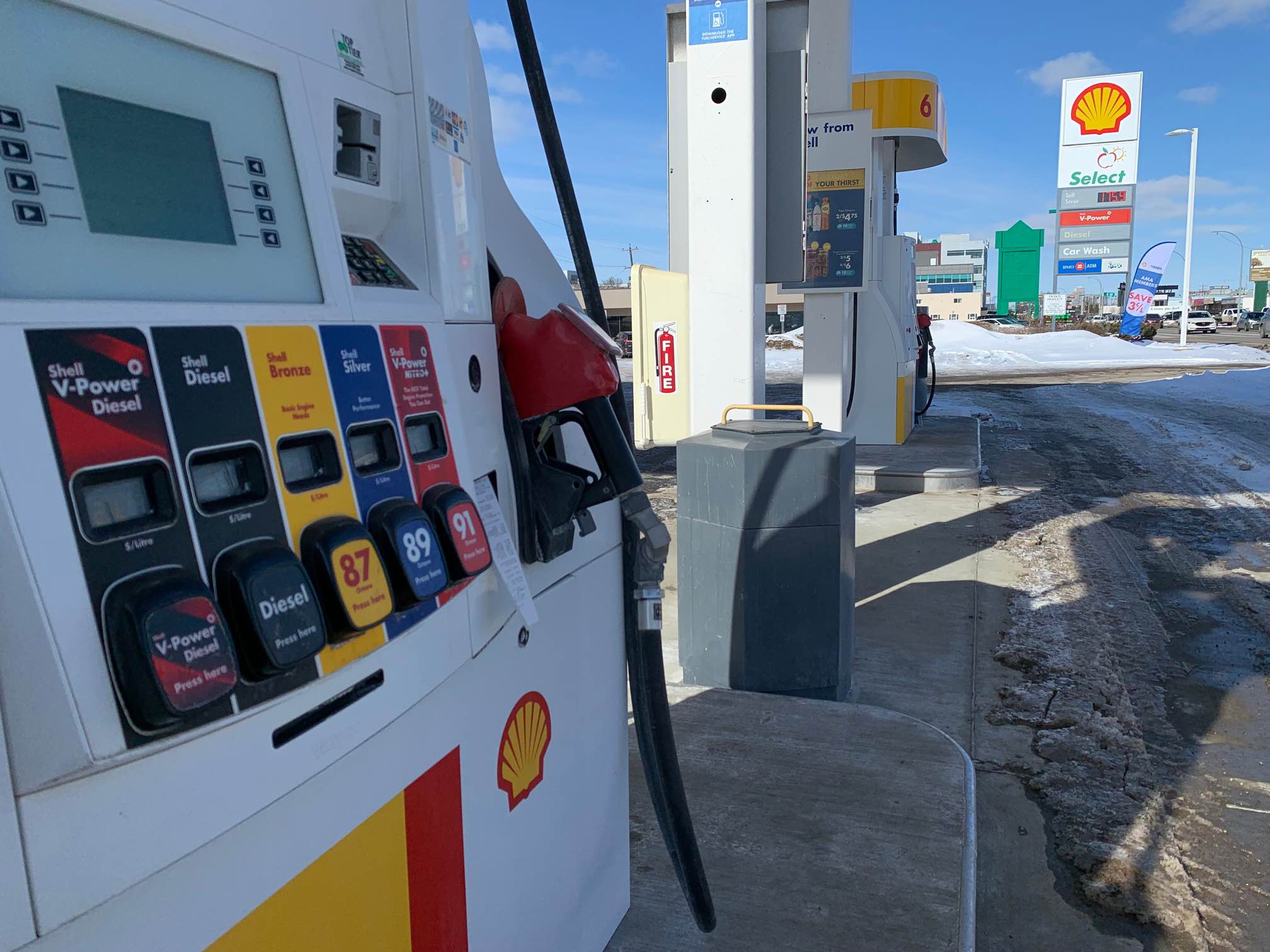
The price Canadians pay at the pump is determined by:
- Global Benchmark Pricing: Domestic oil is priced against international markets; Canadian producers will not sell to local refineries for less than they can get on the global market.
- Refining Capacity: North American refining capacity is tight. Any disruption in US Gulf Coast refineries impacts Canadian prices because the market for refined fuel is integrated across the border.
- Taxation Tiers: Federal and provincial excise taxes, carbon taxes, and GST are often applied as percentages or fixed increments. As the base price rises, the total tax burden per liter often increases, further straining the consumer.
The Structural Inflationary Loop
When oil prices stay elevated, they trigger a secondary round of inflation known as "core inflation creep." While central banks often look at "CPI-Trim" (which excludes volatile items like fuel), they cannot ignore the way energy costs embed themselves into the "sticky" parts of the economy.
- Wage-Price Pressure: As the cost of living rises due to fuel and food, labor unions and employees demand higher wages to maintain purchasing power.
- Service Sector Drag: Even businesses with no direct fuel dependency, such as software firms or hair salons, face higher overheads via increased utility bills and rent (as landlords pass on heating costs).
This creates a dilemma for the Bank of Canada. Raising interest rates to fight oil-induced inflation does nothing to lower the global price of crude, but it does make the cost of debt (mortgages) more expensive for the same consumers already struggling with high gas prices.
Quantifying the Threshold of Recession
Historical data suggests that the Canadian economy can absorb oil price increases up to a certain "shock threshold." When the rate of change exceeds 50% within a six-month window, the probability of a technical recession increases significantly. This is not due to the price itself, but the speed of the transition. Businesses cannot optimize their supply chains or adjust their pricing models fast enough to maintain margins, leading to a contraction in hiring and a freeze on capital investment.
Strategic Response for Market Participants
The immediate priority for Canadian firms and policymakers is to transition from a reactive posture to a structural hedge.
For Private Enterprise:
The goal is "Energy Decoupling." This involves moving away from variable freight costs by localized sourcing and investing in electrification where the grid is stable and price-regulated. Hedging fuel costs through futures contracts is a short-term fix; the long-term play is the reduction of the energy-to-revenue ratio.
For Government Policy:
The focus must shift from "capping prices" (which creates shortages) to "targeted liquidity." This means using the windfall from energy royalties to provide direct, means-tested rebates to the industrial and consumer sectors most affected by the logistics-cost spike. Furthermore, accelerating the integration of East-West energy infrastructure—specifically the ability to move and refine domestic product within the country—is the only way to decouple the Canadian consumer from global geopolitical volatility.
The play is simple: Treat energy not as a commodity to be traded, but as a systemic risk to be managed. If the CAD-Oil correlation weakens or if refining bottlenecks remain unaddressed, the next price spike will not just "hit" the economy—it will fundamentally reorder it.