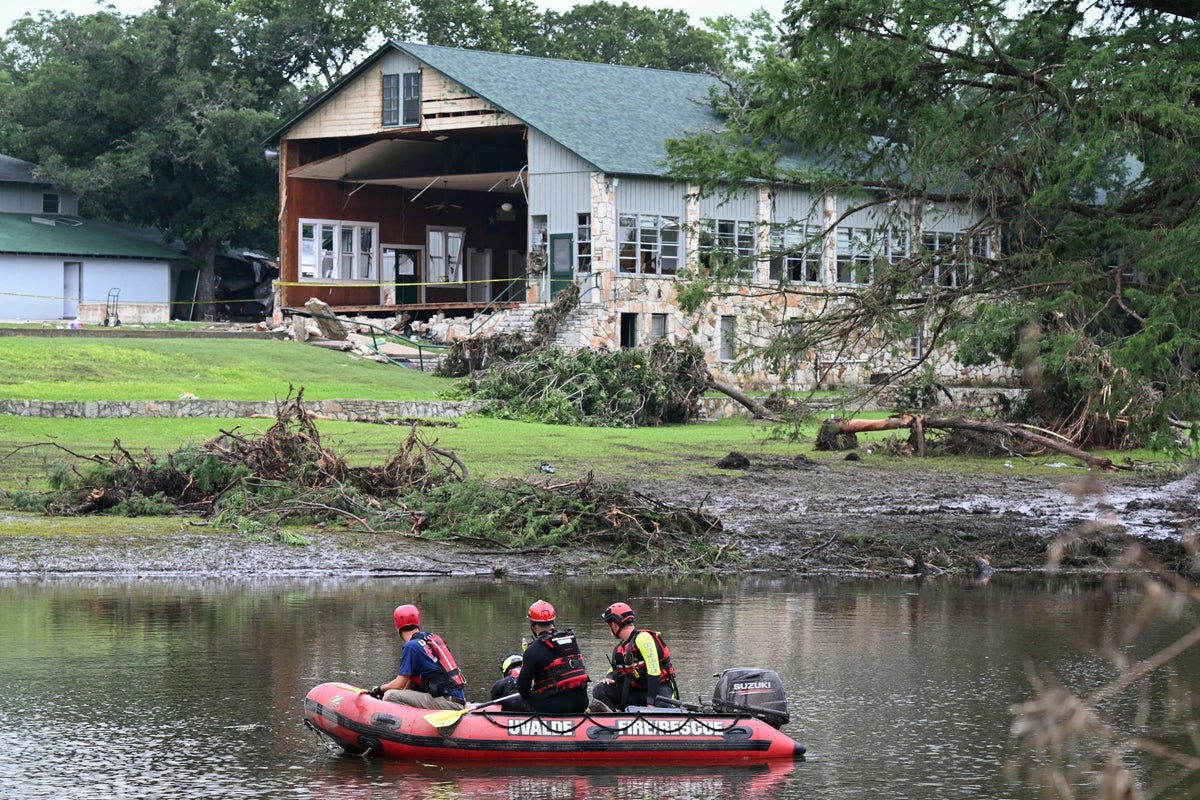
Summer camps shouldn't be death traps. Yet nearly a year after a catastrophic flash flood swept through an all-girls Christian retreat in Hunt, Texas, the corporate entities behind the tragedy are turning to federal court for a shield. The recent Camp Mystic bankruptcy filing isn't a surprise, but it's a gut punch to the families still looking for accountability.
On Wednesday, June 24, 2026, Camp Mystic LLC and three of its corporate affiliates filed for Chapter 11 bankruptcy protection in Houston. The filing reveals a massive financial chasm. The camp claims its assets are worth somewhere between $100,001 and $500,000, while its debts exceed $10 million. It's a classic corporate maneuver. By entering Chapter 11 reorganization, the camp triggers an automatic stay, which freezes the wave of wrongful death and negligence lawsuits winding their way through Texas state courts.
If you think this is just a routine business restructuring, you're missing the real story. This move comes less than a week after a scathing 115-page investigative report from a joint committee of the Texas Legislature exposed exactly how bad things were on the ground during the disaster.
The Devastating Reality of the Camp Mystic Bankruptcy
Let's look at what actually happened on July 4, 2025. A massive storm hit Kerr County, sending a torrent of water down the Guadalupe River. The river rose 26 feet in just 45 minutes. It was fast. But state investigators revealed that the catastrophe wasn't just an act of God. It was exacerbated by systemic failure.
Twenty-eight people died at Camp Mystic that morning. Twenty-five of them were little girls between the ages of 8 and 10. Two were teenage counselors. The final victim was the camp's executive director, Richard "Dick" Eastland, who died trying to rescue campers in an SUV.
The corporate entities that filed for protection alongside the main camp LLC tell you everything you need to know about how these operations are structured. The filings include Natural Fountains Properties Inc., Mystic Camps Family Partnership Ltd., and Mystic Camps Management LLC. Splitting land ownership from operations is standard practice. It keeps assets separated. Now, all four arms are seeking shelter from the financial fallout of their own negligence.
What the State Investigation Found
The timing of this bankruptcy isn't accidental. The camp's legal team filed the paperwork days after state lawmakers laid bare four critical failures in the camp's emergency response.
No Compliant Emergency Plans
First, the camp lacked written emergency operations plans that complied with Texas state requirements. They were operating a century-old institution with safety protocols that didn't meet legal standards for a known high-risk flood zone.
Ignored Warnings
Second, camp leadership failed to act on hours of advance storm alerts. The weather service issued warnings, but the camp left children sleeping in low-lying cabins right along the riverbank instead of moving them to higher ground.
Confiscated Communication
Third, the camp had a strict policy of confiscating counselors' cellphones to preserve the traditional camp experience. But they didn't provide any backup radio communications in the cabins. When the water rose, teenage counselors were isolated in the dark with terrified children, completely cut off from help.
Chaotic Management
Finally, the post-disaster response was a mess. The legislative report described incident management and reunification efforts as chaotic, leaving a traumatic effect on the surviving families who spent hours wondering if their children were alive or dead.
The Myth of the Unprecedented Disaster
Lawyers representing the Eastland family and Camp Mystic have repeatedly argued that the flash flood was entirely unexpected and surpassed any historical precedent in the Texas Hill Country. They claim no adequate warning systems existed.
That argument doesn't hold up under scrutiny. The families of the victims, represented by Houston attorney Paul Yetter and others, point out that the camp knew the risks. A historical review shows a 1932 flash flood washed away several Camp Mystic cabins in a similar fashion, though no one died back then. The danger was written into the very geography of the property.
Civil lawsuits accuse the camp of choosing profit over basic safety. Plaintiffs allege that the camp kept housing young campers in flood-prone cabins to avoid the steep costs of relocating the structures uphill.
The Failed Reopening and What Happens Next
The Eastland family spent months trying to salvage the camp's reputation. They wanted to reopen this summer for Camp Mystic's 100th anniversary. They invited reporters to look at new safety measures, like two-way radios and river monitors. They claimed hundreds of loyal families wanted to send their daughters back.
Public outrage changed those plans. After lawmakers and grieving parents packed public hearings in April, expressing disbelief that a camp under active investigation would welcome 900 girls back to the same soil, the camp withdrew its operating license application.
So, what does this bankruptcy mean for the families seeking justice?
Paul Yetter stated directly that bankruptcy will not stop responsible parties from being held accountable. While the automatic stay halts immediate trials in state court, the battlefield now shifts to a federal bankruptcy judge in Houston. The families are listed as unsecured creditors. Their lawyers will fight to lift the stay or ensure that any restructuring plan includes a massive, dedicated fund from the camp's insurance policies and corporate assets to pay out legal claims.
Don't let the corporate paperwork fool you. This isn't a simple financial cleanup. It's a high-stakes legal shield designed to control the narrative and limit financial exposure after twenty-five little girls paid the ultimate price for administrative neglect. If you are tracking this case, look closely at the upcoming federal court hearings in Houston where judges will decide whether to let the civil lawsuits proceed or force the families into a prolonged bankruptcy negotiation.