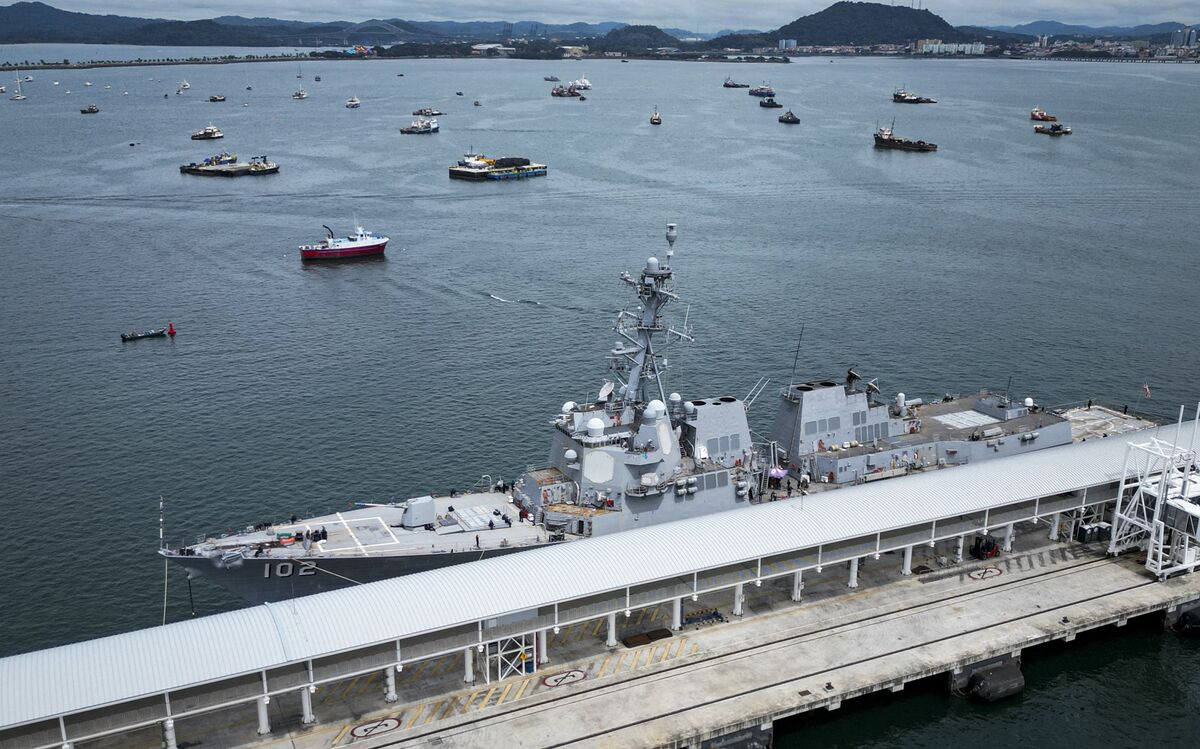
The Pentagon just pulled the trigger on a massive deployment from the West Coast. About 2,500 Marines and three heavy-hitting warships are leaving California shores for the Middle East. If you’ve been watching the headlines, you know the region is a powderkeg. This isn't just a routine float. It’s a loud, clear message wrapped in thousands of tons of steel and high-end ballistics.
The move involves the 13th Marine Expeditionary Unit (MEU) and the Somerset Amphibious Ready Group. They're shipping out from San Diego. In military terms, an Amphibious Ready Group is a Swiss Army knife. It can do everything from humanitarian aid to full-scale beach landings. But let’s be real. You don't send a Three-Ship Boxer-class group into the Persian Gulf or the Red Sea just to hand out bottled water. You send them because things are getting ugly, and the U.S. wants to make sure it has the biggest stick in the room.
The Strategy Behind the San Diego Departure
Why California? Usually, the East Coast handles Atlantic and Middle Eastern rotations. However, the Pacific fleet is increasingly integrated into global response strategies. The USS Somerset, the USS San Antonio, and the USS Anchorage represent a specific type of power projection. These ships carry helicopters, MV-22 Ospreys, and enough firepower to make any regional adversary think twice before harassing commercial shipping or targeting U.S. interests.
The Pentagon isn't just moving chess pieces for the sake of it. The Red Sea has become a nightmare for global trade. Houthi rebels in Yemen have spent months taking potshots at cargo ships. While the U.S. has maintained a presence there, the intensity of the drone and missile attacks requires fresh legs and more sophisticated radar arrays. The 2,500 Marines arriving from California aren't just infantry. They include specialized teams for counter-drone operations and rapid-response security.
It's about presence. If you're a merchant sailor or a regional ally, seeing a 600-foot warship on the horizon is the only thing that actually feels like security. Everything else is just diplomacy and paper.
What 2,500 Marines Actually Do in a Hot Zone
Most people hear "2,500 troops" and think of a desert frontline. That's not what this is. A Marine Expeditionary Unit is a self-sustaining force. They bring their own air support, their own logistics, and their own medical teams. They live on those three ships. This allows the U.S. to keep a massive military footprint in the region without actually putting "boots on the ground" in a way that requires a permanent base or a formal declaration of war.
They're there for three specific reasons.
First, crisis response. If an embassy gets overrun or a civilian ship gets hijacked, these are the guys who go in.
Second, deterrence. The mere existence of the Somerset Group in the Gulf of Aden changes the math for Iranian-backed groups. They have to account for sea-based strikes that can happen anytime.
Third, theater security cooperation. They'll likely train with partners in the UAE, Kuwait, or Jordan. It keeps the "team" vibe going during a time when many Middle Eastern nations feel nervous about U.S. commitment.
The Hardware Heading Into the Fray
The ships themselves are technical marvels, though they’re basically floating targets if not defended properly. The USS Somerset is an LPD-25 San Antonio-class amphibious transport dock. It’s designed to deliver the "landing force." It has a massive well deck that can launch hovercraft (LCACs) and enough deck space for a swarm of helicopters.
But the gear is only half the story. The timing is what matters. We're seeing a shift where the U.S. is no longer trying to hide its buildup. By announcing the departure from San Diego so publicly, the Department of Defense is practicing "strategic communication." They want the world to watch these ships leave the harbor. They want the satellite footage of the 13th MEU boarding. It’s a theater of power meant to stabilize markets and destabilize the confidence of local militias.
Dealing With the Houthi Threat and Beyond
We can’t talk about this deployment without talking about Yemen. The Houthi rebels have proven surprisingly resilient. They’ve used low-cost drones to disrupt billions of dollars in trade. The California-based warships are equipped with the latest electronic warfare suites designed to fry these drones before they get close.
It’s a lopsided war of attrition. A Houthi drone might cost $20,000. The missile used to shoot it down costs $2 million. That’s a math problem the Pentagon is desperate to solve. Part of the mission for this new group is to test more cost-effective ways to clear the skies. If they fail, the Suez Canal remains a "no-go" zone for many Western companies, which keeps your gas prices high and your Amazon deliveries slow.
The Logistics of a Long-Distance Deployment
Moving a strike group from the West Coast to the Middle East isn't a quick trip. They have to cross the Pacific, navigate the crowded waters of Southeast Asia, and enter the Indian Ocean. It takes weeks. During that time, the crew is in a constant state of training. They’re running drills for fire on deck, man overboard, and simulated missile attacks.
The toll on the families in San Diego and Camp Pendleton is huge. You’ve got 2,500 people who just disappeared from the local economy and their kids’ lives. Most of these deployments last six to nine months. If the situation in the Middle East boils over into a direct conflict with Iran, that timeline gets thrown out the window. They stay as long as they’re needed.
Why This Deployment Hits Differently in 2026
The global stage looks different now than it did five years ago. We have a hot war in Europe and a simmering one in the Middle East. The U.S. Navy is stretched thin. Sending three ships from California means those ships aren't available for the South China Sea. It’s a gamble. The Pentagon is betting that the immediate risk of a regional Middle East war outweighs the long-term need to patrol near Taiwan or the Philippines.
Critics say we're overextending. They argue that by constantly pouring resources into the Middle East, we're falling into a trap set by adversaries who want to see our fleet exhausted. Supporters argue that if we let the Middle East fall into chaos, the global economy crashes, and it doesn't matter how many ships we have in the Pacific.
Honestly, it’s a mess either way. But for the 2,500 Marines on those ships, the politics don't matter. They have a job to do. They’re the "911 force" for the world.
If you’re tracking this, keep your eyes on the transit through the Strait of Hormuz. That’s usually where the friction happens. Watch for reports of "unsafe intercepts" by Iranian fast boats. That’s the real litmus test for how this deployment is going to go. If the ships pass through quietly, the deterrence is working. If not, we’re looking at a very long year for the San Diego fleet.
Check the official Navy deployment schedules and maritime tracking maps if you want to see their progress. The movement of the USS Somerset is public record for a reason. They want you—and everyone else—to know exactly where they are.