The Chinese yuan just hit a record high in cross-border settlements, but this isn't the story of a natural market evolution. It is a story of calculated desperation and the weaponization of trade. While mainstream analysts point to the escalating Iran conflict as a mere catalyst, the reality is far more clinical. Beijing is capitalizing on geopolitical volatility to build a parallel financial plumbing system that bypasses Western control entirely.
This surge is driven by a fundamental shift in how oil and commodities are priced in a fragmented world. When Washington uses the dollar as a diplomatic bludgeon, sanctioned or "at-risk" nations have no choice but to find a different door. China is the only player with a door big enough to accommodate them. For a more detailed analysis into this area, we suggest: this related article.
The Crude Reality of the Petro-Yuan
Oil is the lifeblood of this transition. For decades, the "Petrodollar" was the unspoken bedrock of global finance—buy oil with dollars, and the world remains anchored to the U.S. Treasury. That bedrock is cracking.
As tensions in the Middle East heighten, specifically involving Iran and its proxies, the threat of increased Western sanctions looms over every barrel of oil moving through the Strait of Hormuz. Iran, already heavily sanctioned, has long utilized the yuan to facilitate its exports to China. However, the current "record" levels suggest that other regional players are now hedging their bets. They aren't necessarily abandoning the dollar because they want to; they are doing it because they fear being locked out of the global clearinghouse known as SWIFT. For further information on the matter, in-depth coverage is available on Financial Times.
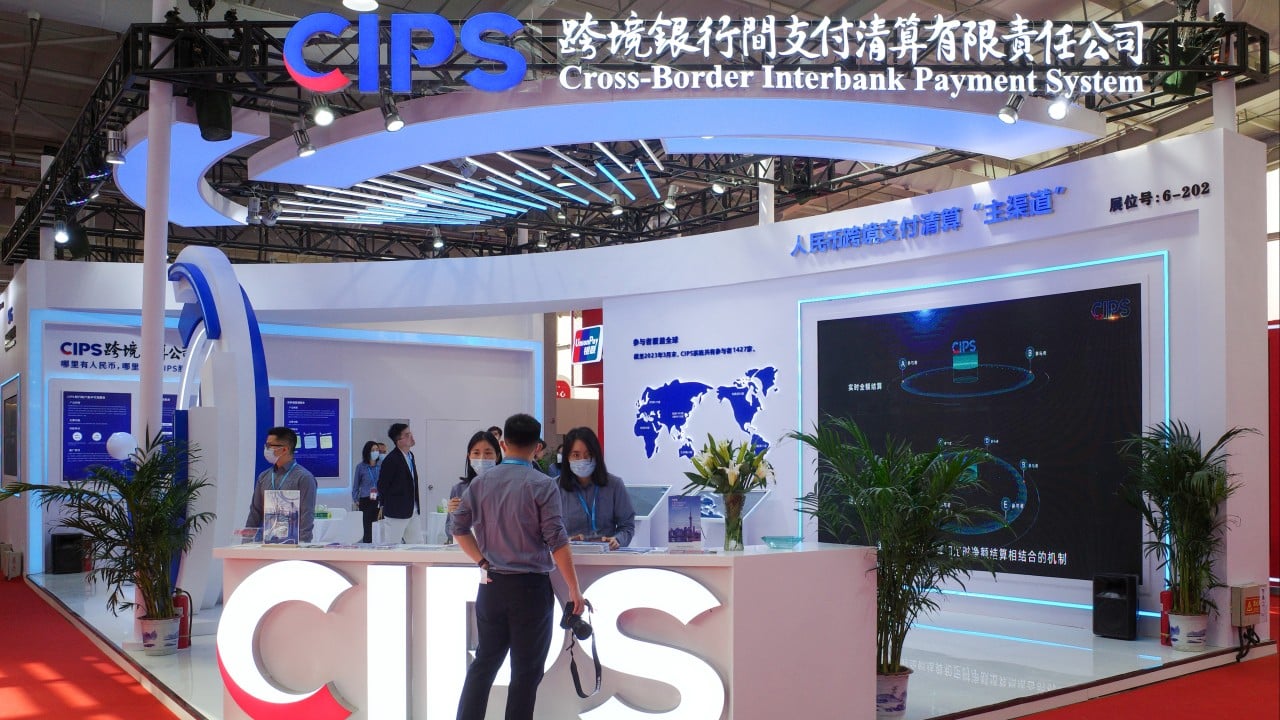
Beijing’s CIPS (Cross-Border Interbank Payment System) serves as the primary alternative to SWIFT. It is still a fraction of the size, but size isn't the metric that matters right now. Liquidity is. By offering a direct clearing path that avoids New York, China has created a sanctuary for commodity-rich nations that find themselves on the wrong side of the G7.
The Mechanics of Defensive Finance
This isn't just about trade; it’s about a defensive crouch. To understand why settlements are hitting records, one must look at the balance sheets of the participating banks.
When a country like Iran or Russia settles in yuan, they aren't just getting a currency—they are getting an insurance policy. The "why" is simple: the U.S. Treasury cannot freeze a yuan account held in a Shanghai bank.
The "how" is more complex. China has established a massive network of currency swap lines with over 40 countries. These lines act as a liquidity backstop. If a central bank in the Middle East or Southeast Asia runs low on yuan to pay for Chinese imports or settle an oil contract, they can instantly swap their local currency for yuan via the People's Bank of China (PBOC). This removes the need to go through the dollar-denominated foreign exchange market.
It is a closed loop. China buys the oil in yuan, the oil producer spends that yuan on Chinese infrastructure projects, telecommunications equipment, or consumer goods. The money never touches a Western intermediary.
Overlooked Factors Beyond the Middle East
While the Iran conflict provides the immediate headline heat, two other factors are doing the heavy lifting in the background.
First, the interest rate environment has flipped the script. For years, the yuan was a "low-carry" currency compared to the dollar. Now, with the Federal Reserve maintaining higher-for-longer rates to combat inflation, borrowing in dollars has become prohibitively expensive for emerging markets. The yuan, by contrast, has seen its domestic interest rates stay relatively low as the PBOC tries to stimulate a sluggish Chinese economy. For a corporate treasurer in Brazil or Indonesia, it is now cheaper to settle trade in yuan than it is to hunt for expensive dollars.
Second, the expansion of the BRICS+ bloc has created a built-in audience for de-dollarization. The addition of major energy players like the UAE and Saudi Arabia into the fold—even if their shift is incremental—sends a psychological signal to the market. It legitimizes the yuan as a "settlement" currency, if not yet a "reserve" currency.
The Counter Argument The Yuan is Not the New King
We must address the gray area that many enthusiasts ignore. A surge in settlement records does not mean the yuan is ready to replace the dollar.
The yuan is still not fully convertible. You cannot simply move massive amounts of capital in and out of China without facing a wall of bureaucratic red tape. This "closed capital account" is China's greatest strength and its greatest weakness. It allows Beijing to control its exchange rate and prevent a massive flight of wealth, but it also means that global investors will never trust the yuan as a primary store of value.
Who wants to hold their national wealth in a currency that the issuing government can effectively "lock" at a moment's notice?
Furthermore, the record settlements are heavily skewed toward trade with China specifically. You don't see Thailand and Mexico settling their bilateral trade in yuan. It remains a hub-and-spoke model where Beijing is the hub. Until the yuan is used for trade that doesn't involve China at all, it remains a regional tool rather than a global hegemon.
The Architecture of Bypassing SWIFT
The investigative truth is that China is building a "shadow" financial infrastructure. It isn't just CIPS. It is the integration of digital currencies (e-CNY) and the physical expansion of Chinese banks across the "Belt and Road" corridor.
The e-CNY is particularly potent in this context. A digital currency allows for programmable trade. Imagine a contract where the yuan is automatically transferred the moment a tanker’s GPS coordinates confirm it has cleared a specific port. This eliminates the need for traditional "Letters of Credit," which are almost always processed by Western banks. This isn't a future possibility; it is being tested in real-time.
The Iran Catalyst Examined
The conflict involving Iran serves as the ultimate stress test for this system. Iran is the laboratory for de-dollarization. If China can successfully keep the Iranian economy on life support through yuan-denominated trade despite maximum pressure from the West, it proves to every other nation that the dollar's "exorbitant privilege" is no longer absolute.
This isn't about ideology. It's about risk management. Every time a new sanction is announced, the CIPS transaction volume ticks upward. The record we are seeing now is the direct result of the world's commodity producers realizing that they need a "Plan B" for their survival.
The Corporate Shift
It isn't just governments. Large multinational corporations are quietly shifting their invoicing. French energy giants have settled LNG deals in yuan. Brazilian mining firms are doing the same with iron ore. These companies aren't trying to make a political statement; they are following the path of least resistance. If their biggest customer (China) demands to pay in their own currency, and the infrastructure exists to handle it, the seller will eventually blink.
The friction that once made the yuan an "annoying" choice is being sanded down by technology and political will.
The Hard Truth for the West
The record-breaking yuan settlements are a symptom of a deeper malaise in the global order. The West has relied on the dollar's dominance as a substitute for diplomacy for too long. By turning the financial system into a battlefield, they have incentivized the rest of the world to build an escape hatch.
Beijing has spent twenty years building that hatch. They didn't need to invent a better currency; they just needed to wait for the dollar to become a liability for enough people.
The data from the Middle East proves the hatch works. As the conflict intensifies, more players will jump through it. This isn't a temporary spike driven by war; it is the floor of a new financial reality.
Move your focus away from the "reserve currency" debate and look at the "settlement" data. That is where the real power shift is happening. If you control the pipes, you don't need to own the water. China is currently laying the pipes under every major oil field in the world.
Stop waiting for a "collapse" of the dollar and start watching the gradual, quiet migration of the plumbing.