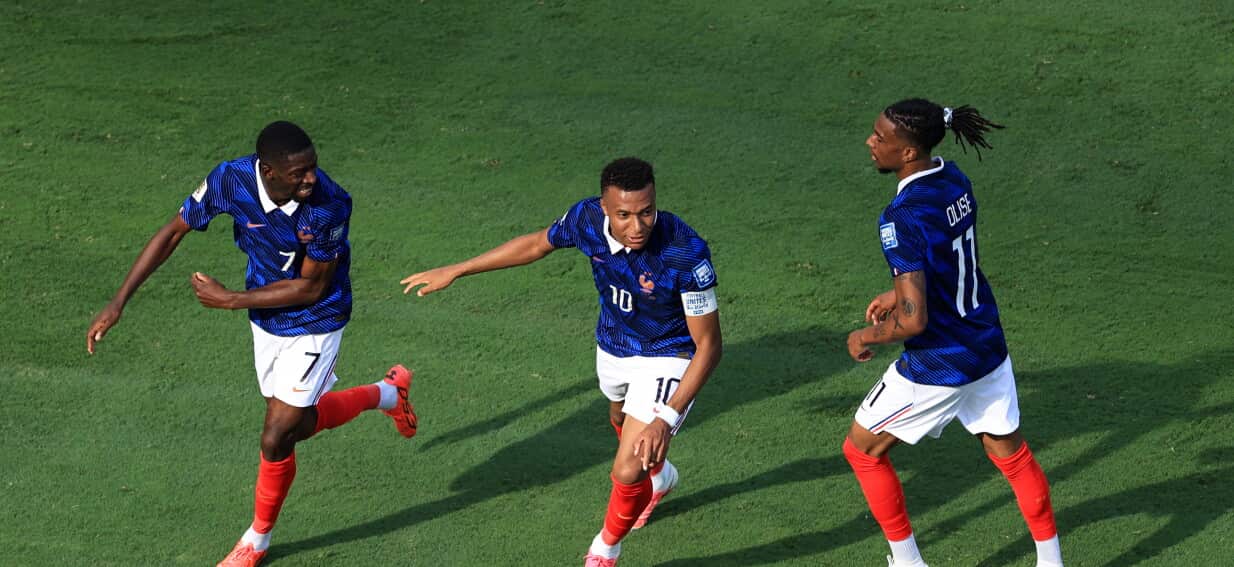
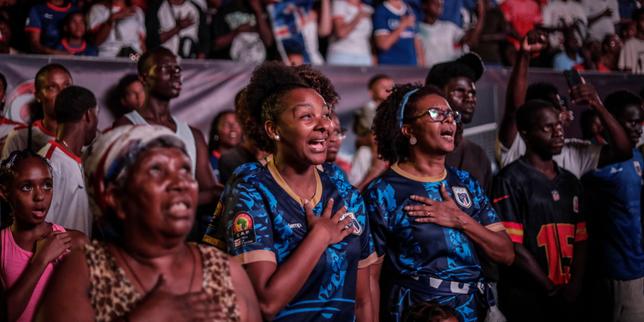
Argentina and Egypt are through to the World Cup semifinals, but the scorelines lie. While standard match reports point to tactical masterclasses and heroic penalty shootouts, the reality on the pitch exposed two aging footballing giants teetering on the edge of exhaustion. Argentina survived an chaotic onslaught from a relentless underdog, while Egypt crawled through after playing their third consecutive extra-time match. These are not triumphs of design. They are survival acts born of desperation, structural flaws, and individual brilliance masking systemic rot.
The tournament has reached a point where physical attrition matters more than tactical philosophy. As the dust settles on Day 23, the deeper analytics reveal that both teams are burning through their physical reserves at an unsustainable rate.
The Myth of Argentinian Control
For seventy minutes, the South American champions looked like a team executing a precise blueprint. They choked the passing lanes, dominated possession, and found the net through sheer individual positioning. Then, the collapse happened. It was not a tactical shift from the opposition that turned the match, but a complete failure of the Argentinian midfield to sustain its press.
When the pressure mounted, the shape dissolved. The tracking data shows a drop-off in high-intensity sprints from the Argentinian central trio during the final quarter of regular time. This was not a conscious decision to sit back and defend a lead. It was a group of players running on empty.
The reliance on a handful of veteran stars has created a top-heavy system. When those stars tire, the transition defense vanishes. The opposition exposed a massive pocket of space between the defensive line and the holding midfielders, a structural chasm that better opponents will exploit without mercy in the next round. Argentina moved forward, but they left their blueprint in pieces on the pitch.
The Penalty Lottery Delusion
Winning a penalty shootout is often framed as a test of mental fortitude. In reality, relying on a shootout is an admission of failure for a squad of this caliber.
- Fatigue accumulation: Playing an extra thirty minutes destroys muscle recovery windows for the subsequent match.
- Tactical exposure: Showing a inability to close out games gives future opponents a clear psychological edge.
- Goalkeeping reliance: Counting on a shot-stopper to bail out defensive errors is an unsustainable strategy at the highest level of international football.
Egypt and the Price of Ultimate Endurance
Egypt’s progression is being heralded as a triumph of the human spirit. It is actually a damning indictment of a tournament structure that pushes human bodies past the breaking point. Three consecutive knockout matches have gone to extra time. That is ninety additional minutes of maximum-intensity football played under extreme psychological stress.
The Pharaohs are defending with a low block that requires immense lateral movement and constant communication. It is a grueling way to play football. By the second half of extra time, multiple players were visibly suffering from cramping, their movements heavy and reactive.
The Overreliance on One Direct Outlet
Every transition opportunity for Egypt goes through a singular channel. It is predictable, but up until now, it has been effective due to world-class execution.
That channel is drying up. Opposing managers have realized that if you double-team the primary outlet and force the central defenders to carry the ball forward, the Egyptian attack stalls. During the chaotic final minutes of their quarterfinal, the team resorted to long, aimless clearances. They did not win the tactical battle; they simply refused to blink first during a war of attrition.
The Physical Deficit Awaiting the Semifinals
Football at this level is decided by inches and milliseconds. A squad that has played two hours of extra football over the past week enters the semifinal at a massive disadvantage. Sports science data indicates that standard muscle recovery takes up to seventy-two hours under normal conditions. When you compound that with international travel and high-stress environments, the deficit multiplies.
The next opponents are sitting on comfortable ninety-minute victories. They possess the depth to rotate their squads without a significant drop in quality. Argentina and Egypt do not have that luxury. Their benches are thin, and the drop-off in tactical awareness between the starting eleven and the substitutes is stark.
The Structural Flaw in Modern Tournament Design
The broader issue extends beyond these two nations. The expansion of international tournaments has created a schedule that prioritizes television broadcasting rights over player welfare. The intensity of modern club seasons already leaves players fatigued before they arrive at training camp. Expecting them to maintain elite pressing structures every four days for a month is an illusion.
What we are witnessing is the degradation of the sport's tactical quality in favor of chaotic entertainment. Teams can no longer sustain a sophisticated press for ninety minutes. Instead, games break down into stretched, end-to-end spectacles driven by mistakes rather than creative genius. It makes for compelling television, but it degrades the technical standard of international football.
Argentina and Egypt have advanced, but their victories feel like the final gasps of exhausted armies. The celebrating fans see the flag moving forward. The analysts see a group of broken players who have run out of tactical answers, praying that individual genius can save them one more time.