Russia’s recent insistence that the OPEC+ alliance remains "unshakeable" despite the United Arab Emirates’ strategic pivot serves as a thin veil for a fracturing energy order. While Moscow officially denies the risk of a price war, the structural reality tells a different story. The departure of a heavyweight like the UAE from the core decision-making fold isn't just a localized dispute over production quotas. It is a fundamental breakdown of the cartel’s ability to manage global supply in an era where national survival depends on capturing dwindling market share before the energy transition accelerates.
The math of the oil markets is cold and unforgiving. When a primary producer exits a coordinated pact, the remaining members must either cut further to stabilize prices or follow suit to protect their own bottom lines. For years, the marriage of convenience between Riyadh and Moscow held the floor, but the UAE represents the first major crack in the dam that cannot be patched with mere rhetoric.
The UAE Gamble and the Death of the Quota
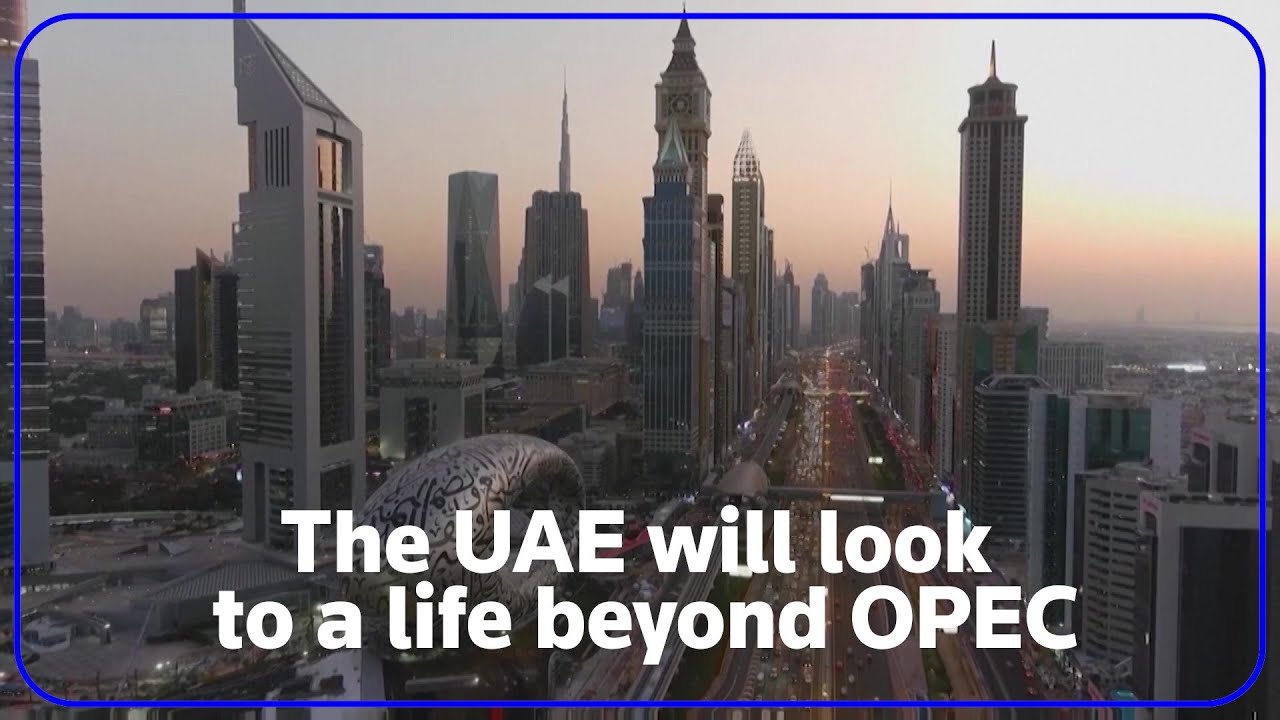
Abu Dhabi is no longer content playing the role of the silent partner. Over the last decade, the UAE has poured billions into expanding its production capacity, aiming for five million barrels per day. You don't spend that kind of capital to let the oil sit in the ground because a committee in Vienna told you to wait.
The friction stems from a basic divergence in national strategy. Russia needs high prices to fund a wartime economy and sustain its domestic social contracts under heavy sanctions. The UAE, conversely, is looking at a "last man standing" scenario. They know that the window for high-value hydrocarbon exports is closing as global economies shift toward electrification. Their goal is simple: pump as much as possible, as fast as possible, to fund a post-oil future.
This creates an irreconcilable conflict. If the UAE pushes its full capacity into the market, the OPEC+ framework loses its teeth. Russia’s public optimism is a defensive crouch designed to prevent a speculative sell-off in the futures market, but traders are already seeing through the facade.
Why Russia Cannot Afford a Price War
In 2020, we saw what happens when the Kremlin and the House of Saud stop speaking. The resulting price war sent crude into negative territory, a shockwave that nearly broke the US shale industry and gutted national budgets across the Middle East. Russia claims it won't happen again because the "mechanisms of cooperation" are too strong.
That is a bluff.
The Russia of 2026 is not the Russia of 2020. Its economy is locked in a high-inflation cycle driven by military spending. It lacks the massive sovereign wealth cushions it once boasted, as those funds are being drained to keep the ruble from a total collapse. Moscow is currently a "price taker," not a price maker. They are selling to China and India at significant discounts, often using a shadow fleet of aging tankers to bypass Western price caps.
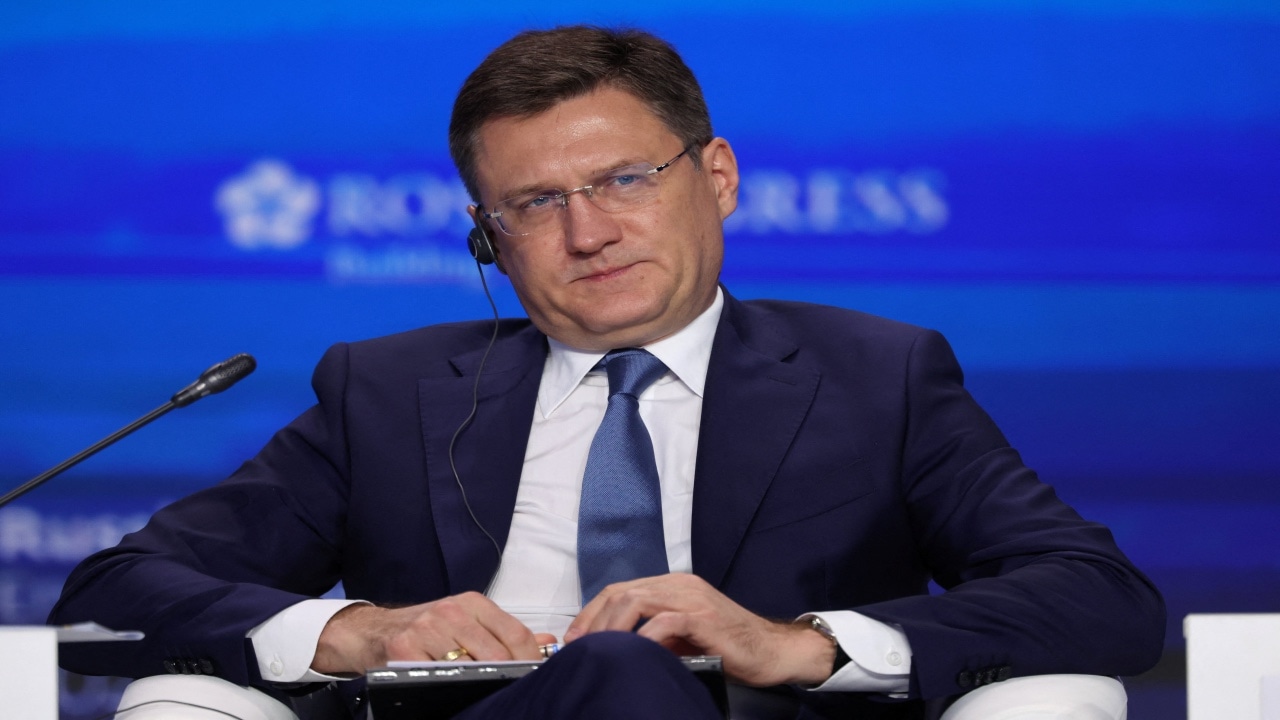
A price war today would be catastrophic for the Russian budget. If Brent drops to $50 or $40 per barrel, the Kremlin’s ability to finance its external operations and internal security vanishes. This is why Alexander Novak and other Russian officials are so desperate to project a sense of calm. They are terrified that the UAE’s exit will trigger a domino effect among other smaller producers who are also tired of sacrificing their own volumes to keep prices high for others.
The Shadow of US Shale
While the internal politics of OPEC+ grab the headlines, the elephant in the room is the relentless efficiency of the American Permian Basin. Every time the cartel cuts production to prop up the price, it hands a gift to US producers.
American drillers have become leaner. They can now turn a profit at price points that would have bankrupted them ten years ago. By keeping the price artificially high through cuts, OPEC+ is effectively subsidizing its greatest competitor. The UAE understands this. They realize that by cutting, they are merely ceding market share to Texas and New Mexico. Russia, hampered by technology bans and a lack of Western expertise, cannot keep up with the technical evolution of the shale patch.
The Myth of the Unshakeable Alliance
The term "OPEC+" was always a misnomer. It was never a formal treaty; it was a desperate handshake between two rivals who realized they were both drowning. Now that the immediate panic of the pandemic and the initial shock of the 2022 energy crisis have faded, the inherent tensions are resurfacing.
The alliance is built on the assumption that every member will eventually get their turn to increase production. But the math doesn't work. Global demand is plateauing. When the pie stops growing, the only way to get a bigger slice is to take it from the person sitting next to you.
- The UAE wants to monetize its massive investments now.
- Saudi Arabia wants to maintain its role as the global central bank of oil, even at the cost of volume.
- Russia wants the highest possible price for every drop it manages to smuggle past sanctions.
These three goals are mutually exclusive. You cannot have high prices, high volume, and market stability all at the same time.
Financial Sovereignty vs Collective Action
We are witnessing the end of the era of collective oil diplomacy. For fifty years, the world operated under the assumption that a few men in a room in Vienna could dictate the pulse of the global economy. That power was always contingent on a lack of alternatives.
Today, the UAE is betting that its individual sovereign interests outweigh the benefits of the group. This is a rational economic choice. By exiting the restrictive parts of the pact, they regain control over their most valuable asset. If Kuwait or Iraq follows, the "plus" in OPEC+ becomes a minus.
The Market Reaction to the "No Price War" Narrative
The paper markets—the traders and hedge funds—are currently pricing in a high degree of skepticism. While the spot price might remain stable for a few weeks on the back of Russian reassurance, the long-term curves are showing a downward trend.
The risk is not necessarily a sudden, explosive price war, but a "slow bleed." As individual nations quietly exceed their quotas to compensate for lower prices, the total supply in the market creeps up. This "cheating" has been a staple of OPEC history, but it is becoming more brazen. With the UAE effectively checking out, the incentive for others to stick to the rules has vanished.
Investors should be looking at the Brent-WTI spread and the discount levels offered by the Russian Urals blend. If those gaps widen, it means the market is fragmenting. A fragmented market is one where price discovery happens through competition, not decree.
Infrastructure as a Weapon
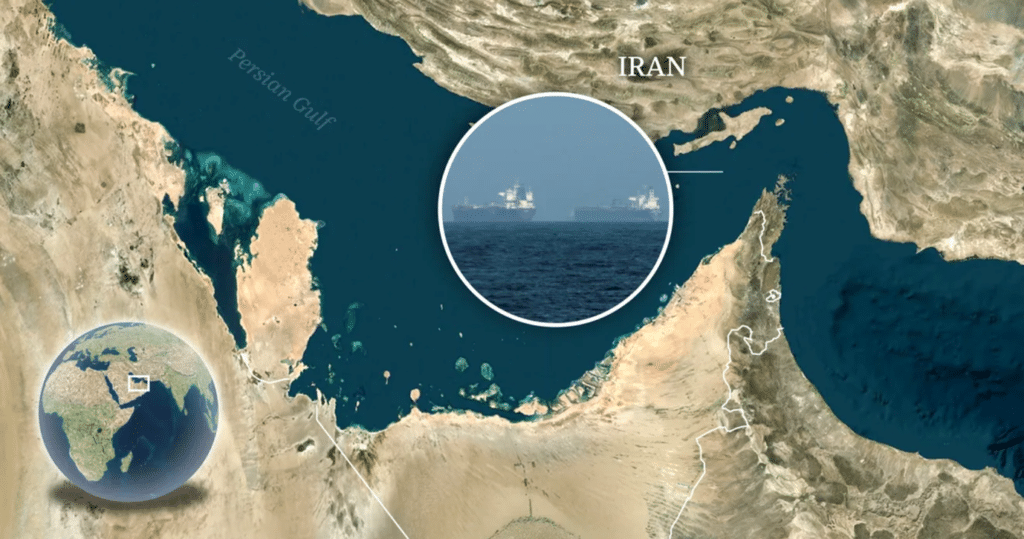
Russia's reliance on fixed pipelines to the East gives it very little flexibility. Unlike the UAE, which can ship its Murban crude to any refinery on the planet with a deep-water port, Russia is increasingly tied to a few specific buyers. This lack of logistical agility makes them vulnerable.
If a price war does break out, the UAE can pivot its shipments to the highest bidder in Europe or Asia instantly. Russia, meanwhile, would be stuck trying to push more volume through pipelines that are already at capacity or through a shadow fleet that is increasingly under the microscope of international regulators.
The power dynamic has shifted. The UAE is the one with the options. Russia is the one with the slogans.
The Geopolitical Fallout
A weakened OPEC+ means a weakened Russia on the world stage. Energy has always been the Kremlin’s primary tool for geopolitical leverage. When they can no longer credibly claim to lead a global energy coalition, their ability to influence foreign policy in the Middle East and Asia takes a massive hit.
The Saudis, too, find themselves in a precarious position. They have spent years trying to bridge the gap between Moscow and the West, playing the role of the neutral arbiter. If the UAE—their closest regional neighbor and supposed ally—breaks ranks, it signals a failure of Saudi leadership within the Arab world.
This isn't just about the price of gas at the pump. It’s about the disintegration of a bloc that has defined the last half-century of global power. The "unity" Russia speaks of is a ghost. The reality is a frantic scramble for the exit before the lights go out on the oil age.
When the next supply glut hits—and it will—don't look for a coordinated response. Look for a free-for-all. The UAE has already made its move; the rest of the world is just waiting for the official confirmation that the cartel is dead.