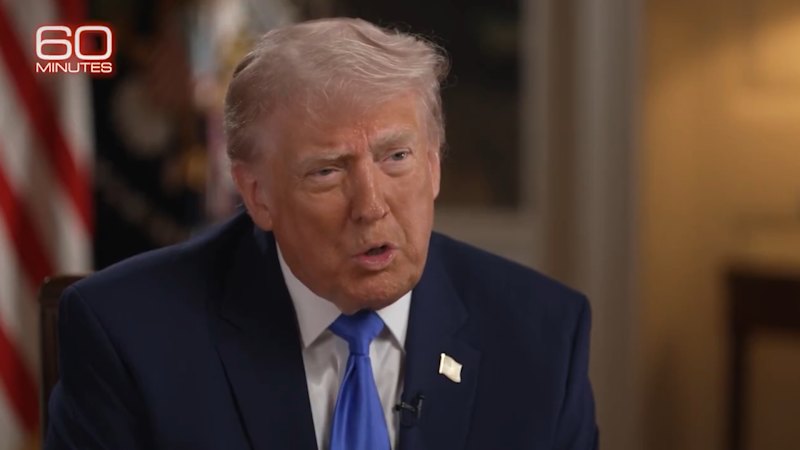
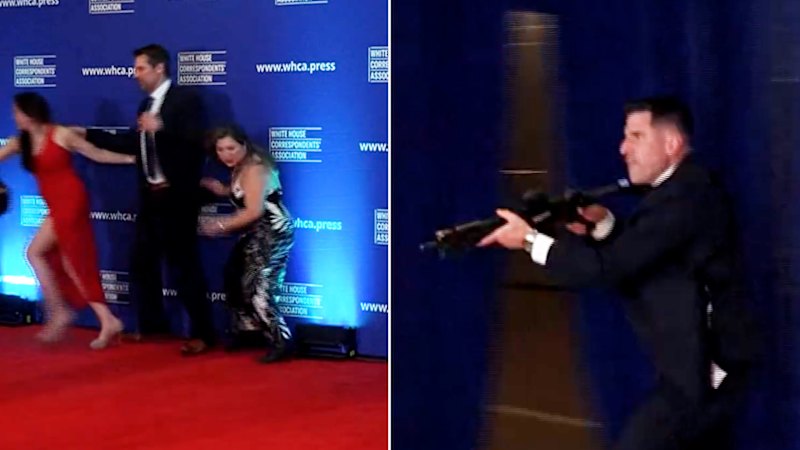
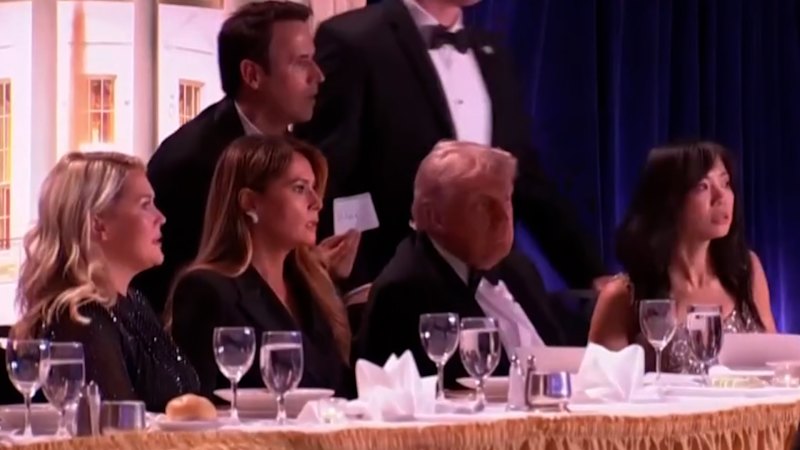
The Transatlantic Alliance is currently facing its most severe existential threat since its 1947 inception, and it has nothing to do with Russian tanks. The friction point is Tehran. President Donald Trump’s insistence that NATO members provide kinetic military support for the ongoing campaign against Iran has hit a wall of defiance, led primarily by Spain and France. While the White House characterizes this as a betrayal of the "protector" by the "protected," the reality on the ground in Brussels suggests a much deeper, more calculated divorce. European leaders are not just avoiding a war; they are actively dismantling the assumption that American foreign policy dictates European security.
The Spanish Defiance
The most significant blow to the administration’s strategy came from Madrid. When the Spanish government officially barred the United States from using Spanish soil—specifically the strategic hubs at Rota and Morón—to launch strikes against Iranian targets, it effectively crippled the logistics of a sustained Southern European air bridge. This was not a minor bureaucratic hurdle. It was a functional veto of American power projection.
The administration’s response was swift and characteristic. A leaked Pentagon memo, reportedly authored by high-ranking officials including Elbridge Colby, suggested that "difficult allies" like Spain should face unprecedented repercussions. These range from the suspension of NATO voting rights to a total freeze on top-tier alliance appointments for Spanish officials. By targeting Spain, the administration is attempting to make an example of the most vocal dissenter, but the strategy is backfiring. Instead of isolating Madrid, the move has galvanized a "European Solidarity" movement that sees Trump’s tactics as more coercive than collaborative.
The Paper Tiger Narrative
President Trump’s recent rhetoric has shifted from calling for more defense spending to questioning the very utility of the alliance. Labeling NATO a "paper tiger" and a "one-way street" during a recent closed-door meeting with Secretary General Mark Rutte, the President has signaled that the 5% GDP spending target—which he successfully pushed through in 2025—was never the final goal. The new metric for "value" is loyalty in a conflict that many Europeans view as a "war of choice."
The irony is thick. For decades, the U.S. complained that Europe was a security consumer rather than a producer. Now that Europe is asserting its own security interests—deciding which wars it will and will not fight—Washington is treating that independence as a threat. Secretary of Defense Pete Hegseth recently doubled down on this sentiment, stating that Europeans should "start learning how to fight on their own" if they won’t secure the Strait of Hormuz.
The Logistics of a Breakup
If the U.S. were to actually follow through on threats to withdraw or "pause" its participation in NATO, the mechanical reality would be catastrophic for both sides.
- Infrastructure: The U.S. maintains hundreds of facilities in Europe. Removing them would take years and cost tens of billions.
- Intelligence Sharing: The Five Eyes and NATO intelligence networks are so deeply integrated that "unplugging" the U.S. would leave a vacuum that neither side could fill for a decade.
- Nuclear Umbrella: Without the U.S. nuclear guarantee, countries like Poland and the Baltic states would likely pursue their own independent nuclear programs, triggering a proliferation crisis on the continent.
Despite the 2023 law requiring Congressional approval for a formal withdrawal, the President has significant latitude to withdraw troops, cease funding for common projects, and bypass the North Atlantic Council entirely. We are seeing a "soft exit" where the treaties remain on paper, but the cooperation has evaporated.
The Economic Backfire
Europe’s refusal is grounded in a brutal economic reality. The war has already sent global oil prices into a vertical climb. For nations like Germany, which lost 120,000 industrial jobs in 2025 due to energy costs three times higher than those in the U.S., joining a war that further destabilizes the energy market is seen as national suicide.
When Trump suggests that the Strait of Hormuz is Europe's responsibility because they "need the oil more," he is technically correct but strategically blind. By forcing this choice, the administration is driving the European Union toward an "autonomy" that includes independent payment systems designed to bypass the U.S. dollar—the very thing that gives American sanctions their bite.
A Fragile Ceasefire and the Path Forward
The recent ceasefire brokered in Muscat remains exceptionally fragile. While Vice President JD Vance has expressed frustration over the absence of the Supreme Leader from direct talks, the real negotiation is happening between Washington and Brussels. The U.S. wants a unified front against Tehran; Europe wants a return to the 2015 JCPOA framework or a modernized version of it.
There is no middle ground here. Either the U.S. accepts that NATO is a defensive alliance for the North Atlantic—not a global expeditionary force—or the alliance will continue to fragment into regional blocs. The "humiliation" isn't found in a single leader's speech; it is found in the realization that the world's most powerful military alliance can no longer agree on who the enemy is.
The next NATO summit in Ankara will be the clearinghouse for this tension. If the U.S. continues to push for a "loyalty test" via the Iran war, expect more countries to follow Spain's lead. The era of the blank check for American military adventures is over. Europe has realized that in a world of "America First," they must put Europe first, even if that means the end of the most successful alliance in history.