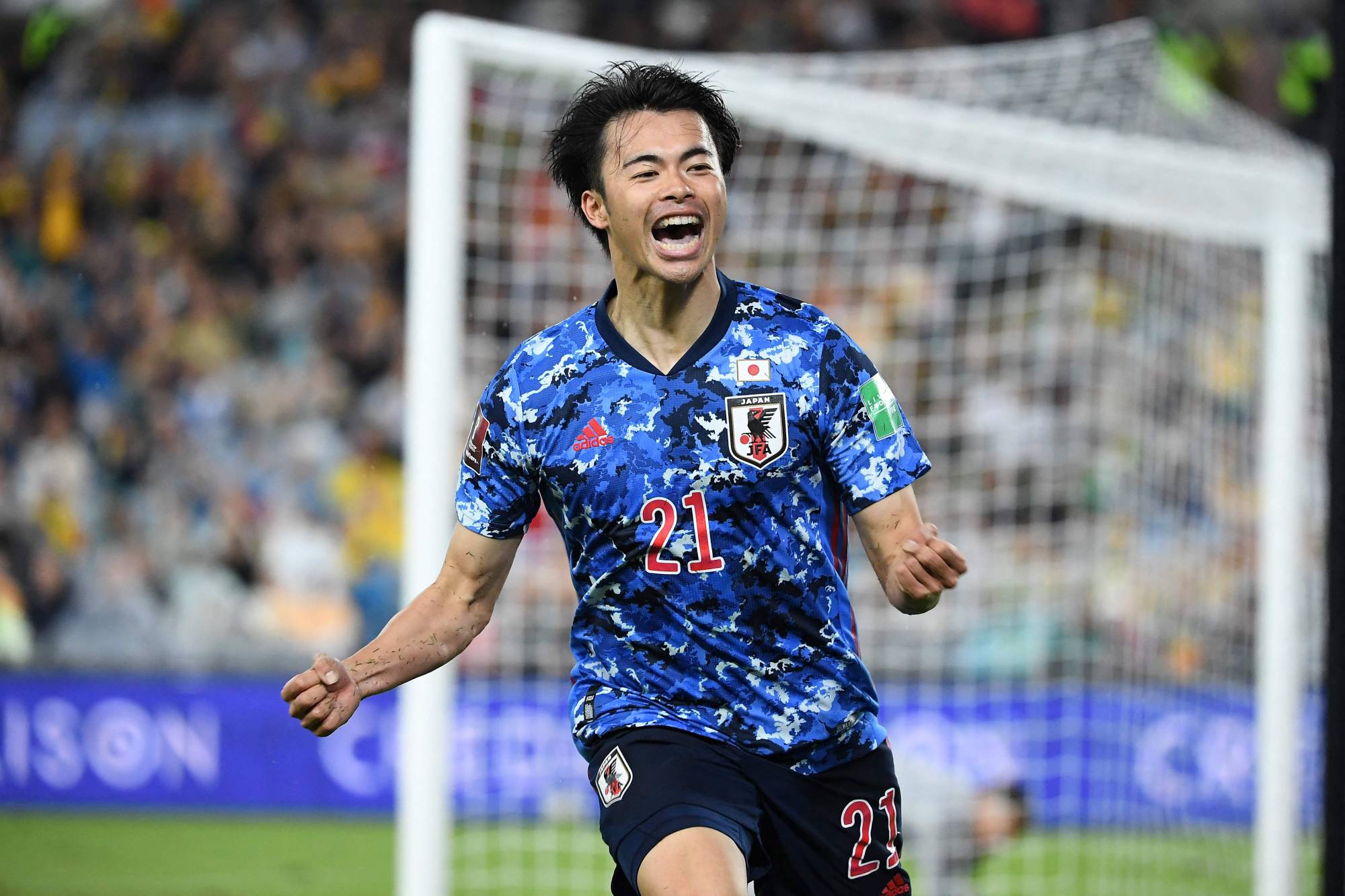
Kylian Mbappe’s status at Real Madrid has shifted from a generational signing to a tactical dilemma that Alvaro Arbeloa is no longer willing to ignore. The French captain is currently finding himself on the periphery of the starting eleven, with the manager prioritizing a defensive balance that Mbappe’s high-roaming, low-pressing style simply does not provide. While the public narrative suggests a mere slump in form, the reality is a fundamental clash between a superstar’s ingrained habits and a manager’s rigid commitment to a collective defensive block. Arbeloa has made it clear that reputation carries no weight on the training pitch, effectively demoting Mbappe behind players who offer higher work rates and better positional discipline.
The Arbeloa Doctrine and the Death of the Free Role
The Bernabeu has always been a theater for individuals, but Alvaro Arbeloa is attempting to rewrite the script. Since taking the reins, he has demanded a level of physical output that Mbappe has rarely had to produce during his years in Paris. In the current Madrid setup, the "forward" label is a misnomer. Every player in the front three is expected to trigger pressing traps and track back into a mid-block when the ball is lost.
Mbappe’s heat maps this season reveal a player caught between two minds. He is often found drifting into the left half-space, a zone already occupied by Vinicius Junior, creating a structural bottleneck that slows down Madrid’s transition play. When the team loses possession, the lag in Mbappe’s defensive recovery creates a vacuum on the flank. For a manager like Arbeloa, who cut his teeth as a no-nonsense defender, this lack of defensive accountability is a non-starter. He is not interested in accommodating a "luxury" player, regardless of the shirt sales or the signing bonus involved.
Why Technical Merit is Failing Against Tactical Necessity
It is easy to look at Mbappe’s goal tally and argue he should be the first name on the team sheet. However, elite football is no longer just about what happens when you have the ball. It is about the spaces you close when you don't. Rodrygo and even younger prospects in the squad are currently offering a more complete profile for Arbeloa’s system. They provide the "dirty work" that allows the midfield to stay compact.
The internal metrics used by the coaching staff allegedly show that the team covers significantly more ground and faces fewer shots on goal when Mbappe is on the bench. This is the "fourth-choice" reality the player spoke of. It isn't an insult to his talent; it is a cold assessment of his current utility within a specific tactical framework. If a player refuses to press, the entire system collapses. Arbeloa is betting that the collective strength of a disciplined eleven will outweigh the individual brilliance of a disconnected superstar.
The Vinicius Conflict
The tactical overlap between Mbappe and Vinicius Junior is the elephant in the dressing room. Both players thrive when starting from the left and cutting inside. In previous seasons, Madrid could afford to have one player cheat on their defensive duties. They cannot afford two. With Vinicius established as the primary creative outlet on that wing, Mbappe is being forced into a central role that he has historically loathed.
Playing as a traditional number nine requires a physical presence and a willingness to play with one's back to the goal. Mbappe wants to face the goal and run into space. When that space is congested because the opposition sits deep, his impact is neutralized. Arbeloa’s refusal to move Vinicius to accommodate Mbappe has sent a shockwave through the squad. It signals that the hierarchy is based on performance within the system, not the name on the back of the jersey.
The Financial Fallout of a Benched Galactico
Florentino Perez did not spend years courting Mbappe to see him wearing a tracksuit on the sidelines. There is an undeniable tension between the sporting direction and the commercial interests of the club. Real Madrid is a brand built on the "Galactico" mythos. Having the world’s most famous player as a rotational option hurts the bottom line, from sponsorship valuations to global TV viewership.
Yet, the board finds itself in a precarious position. Backing the player over the manager risks a total loss of dressing room authority. Arbeloa knows this. By benching Mbappe, he is testing the resolve of the administration. He is forcing a choice between the traditional Madrid model of star power and a new, modern era of tactical austerity.
The Training Ground Echo Chamber
Reports from Valdebebas suggest that the intensity of training has reached a fever pitch. Arbeloa’s sessions are famously grueling, focusing on repetitive defensive drills and high-intensity interval sprints. Players who do not meet the data benchmarks in these sessions do not start on the weekend.
Mbappe is used to a different environment. In Ligue 1, his physical advantages were so pronounced that he could afford to conserve energy for explosive bursts. In the high-press environment of modern La Liga and the Champions League, those "rest periods" are exploited by savvy opponents. The struggle isn't just physical; it's psychological. Adapting to being a "worker" after years of being the "king" requires a level of humility that many stars never manage to find.
The Role of the Veterans
The leadership group within the locker room has remained largely silent, but their actions speak volumes. Senior players who have won multiple European titles are siding with Arbeloa’s meritocracy. They have seen stars come and go. They know that the only thing that matters in Madrid is winning, and if the team looks more cohesive without Mbappe, they will support the coach.
This leaves Mbappe isolated. Without the vocal support of the heavyweights in the dressing room, his leverage is diminished. He cannot go to the president and complain about a lack of minutes if the team is winning games and his teammates are thriving in his absence.
Breaking the Cycle of Tactical Incompatibility
For Mbappe to regain his spot, a fundamental shift in his game is required. This isn't about scoring more goals. It is about becoming a defensive asset. He needs to prove he can operate within the 4-4-2 or 4-3-3 structures Arbeloa favors without being a liability in transition.
This might mean sacrificing his personal statistics for the good of the team. It might mean occupying defenders to create space for others, rather than always being the one to finish the move. The "fourth-choice" tag is a wake-up call, a public challenge from a manager who was a utility player himself and knows the value of sacrifice.
The pressure is mounting on both sides. Arbeloa is one bad run of results away from being questioned for his treatment of the star. Mbappe is one quiet substitute appearance away from being labeled a bust. This is a high-stakes game of tactical poker where the winner gets to define the future of the world's most successful football club.
The Physical Toll of Adapting Late
There is also the question of whether Mbappe’s body can handle the shift. Years of playing a specific way have built a certain type of muscle memory and aerobic capacity. Asking a player in his mid-twenties to suddenly become a high-volume presser is a massive physical ask. It increases the risk of soft tissue injuries and can sap the very explosiveness that makes him dangerous in the final third.
Arbeloa’s medical staff is monitoring these metrics closely. If the data shows that Mbappe’s sprint speeds drop significantly when he is asked to defend more, then the "fourth-choice" status might become permanent. The club would then face the impossible task of offloading a massive contract or finding a way to integrate a player who is fundamentally at odds with the team’s identity.
Tactical Flexibility or Stubbornness?
Critics of Arbeloa argue that a great manager should adapt his system to his best players. They point to past managers who found ways to hide the defensive deficiencies of stars like Ronaldo or Messi. But Arbeloa seems to believe that the era of "hiding" players is over. The speed of the modern game is too high. A single weak link in the defensive chain can be punished in seconds.
By sticking to his guns, Arbeloa is making a statement about the evolution of the sport. He is betting that the days of the untouchable superstar are numbered. If he succeeds, he will have pioneered a new blueprint for managing elite talent. If he fails, he will be remembered as the man who couldn't handle the biggest ego in the game.
The Immediate Path Forward
The upcoming fixtures will be the true test. Big games in the Champions League rarely allow for passengers. If Mbappe remains on the bench during the knockout stages, the situation will move from a tactical disagreement to a full-blown crisis.
The player has two choices: adapt or exit. The "fourth-choice" comment suggests he is acutely aware of his standing. Now, the football world waits to see if he has the hunger to fight his way back to the top of the hierarchy or if the friction at the Bernabeu will lead to the most expensive divorce in sports history.