The global trade order is currently being dismantled by two distinct but equally aggressive forces in East Asia. In Beijing, the annual auto show has transformed from a mere trade fair into a high-octane demonstration of Chinese industrial dominance that threatens to bankrupt legacy automakers across Detroit, Wolfsburg, and Tokyo. Simultaneously, in Seoul, a brutal regulatory assault on Coupang—the American-listed retail giant often called the "Amazon of Korea"—reveals a darker side of economic protectionism masquerading as consumer rights.
While these two events seem separate, they represent a unified shift in the geopolitical climate. The era of open markets and "level playing fields" is over. We have entered a period of scorched-earth industrial policy where governments either weaponize their domestic markets to destroy foreign competitors or subsidize their local champions until they can crush everyone else on the global stage.
The Beijing Auto Bash and the End of Western Car Culture
Walking the floor at the 2026 Beijing Auto Show is a sobering experience for anyone who still believes in the traditional automotive hierarchy. This is no longer a "bash" in the sense of a party; it is a bash in the sense of a blunt-force trauma to the global car market.
Chinese manufacturers like BYD, Xiaomi, and Li Auto are no longer just making "good for the price" electric vehicles. They are defining the technological ceiling. While Western companies struggle with software glitches and battery supply chains, Chinese firms have integrated the entire stack. They control the lithium mines, the cell fabrication, and the silicon.
The Overcapacity Trap
The terrifying reality behind the gleaming displays in Beijing is a massive, state-sanctioned overcapacity. China currently possesses the infrastructure to produce nearly 30% of the world's vehicles, yet its domestic demand is cooling. This has created a "produce or die" mentality.
- Fixed Cost Pressure: Chinese factories are designed for massive scale. If they run at 50% capacity, they lose money. To stay profitable, they must export their excess inventory at prices that Western manufacturers cannot possibly match.
- The Price War: In 2024 and 2025, we saw a price war that gutted margins for everyone except the most efficient Chinese players. By 2026, this war has moved offshore.
- The Software Gap: Xiaomi’s SU7 didn't just beat Tesla on price; it beat it on ecosystem integration. When your car talks to your fridge, your phone, and your home security system more fluently than your laptop does, the "driving machine" of the 20th century starts to look like a carriage and horse.
The Western response—tariffs—is a finger in a crumbling dike. High duties in the EU and US have merely forced Chinese brands to build factories in Hungary, Brazil, and Uzbekistan, effectively bypassing trade barriers while bringing the fight to the enemy's doorstep.
The Coupang Inquisiton: Protectionism in a Digital Mask
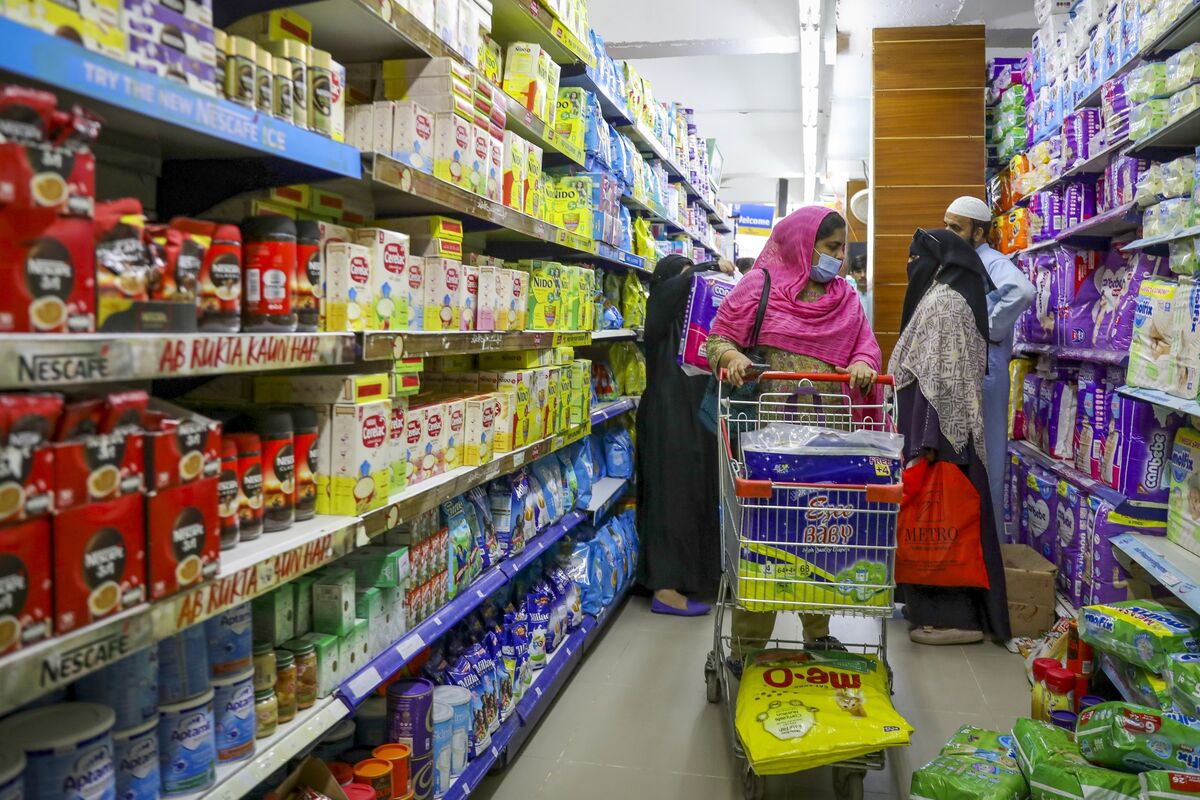
Across the Yellow Sea, another drama is unfolding that should terrify any foreign investor. Coupang, a company that revolutionized life in South Korea with its "Rocket Delivery," is currently being dismantled by the Korea Fair Trade Commission (KFTC) and the administration of President Lee Jae-myung.
The official narrative is about "algorithm manipulation" and "unfair search rankings." The KFTC slapped Coupang with a fine of over $100 million—the largest ever for a retailer in Korea—alleging that the company boosted its own private-label products over third-party sellers.
The Double Standard
The investigative reality reveals a staggering level of regulatory hypocrisy. When the domestic champion Naver was investigated for nearly identical search algorithm tweaks, its fine was a mere $23 million. No criminal referrals were made. For Coupang, the government has not only leveled massive fines but has also threatened to suspend its business license and has filed criminal complaints against the company's leadership.
- The "Pretext" Strategy: In late 2025, a data breach attributed to Chinese threat actors was used by the Korean government as a justification to intensify audits. Regulators have raided Coupang and its affiliates hundreds of times in the last two years.
- Conflict of Interest: The current South Korean cabinet includes ministers who were former CEOs of Coupang’s direct competitors. This isn't just regulation; it's a coordinated effort to clear the path for domestic conglomerates (Chaebols) that failed to innovate at Coupang's speed.
The result is a chilling effect on foreign direct investment. U.S. shareholders, including Greenoaks Capital and Altimeter, have already filed a "Notice of Intent" to initiate Investor-State Dispute Settlement (ISDS) arbitration. They argue that Korea has breached its treaty obligations under KORUS by subjecting Coupang to "indirect expropriation."
Why This Matters for the Global Economy
If you think the Beijing Auto Show and the Coupang investigation are localized issues, you are missing the forest for the trees. These events signal the death of the "neutral platform."
In the case of China, the "platform" is the global automotive market, which is being flooded with subsidized goods to force a monopoly. In the case of South Korea, the "platform" is the domestic regulatory environment, which is being tilted to ensure no foreign-listed entity can ever truly dominate, no matter how much the local population loves the service.
The New Rules of Engagement
For decades, the global business playbook was simple: innovate, scale, and win. Today, the playbook has been rewritten by the state:
- Subsidize Your Champions: Build so much capacity that you can outlast your competitors in a loss-making price war.
- Weaponize the Algorithm: If you control the platform, you control the winners. If a foreigner controls the platform, declare the algorithm "illegal."
- Regulatory Harassment: Use data privacy, consumer protection, or antitrust laws as a selective tool to kneecap successful outsiders.
The tragedy of the Coupang situation is that the Korean consumer is the ultimate loser. Coupang’s efficiency forced the legacy Chaebols to improve. By hammering Coupang, the government is effectively taxing its own citizens' convenience to protect the profit margins of old-guard retailers.
Similarly, the "auto bash" in Beijing might provide cheap EVs today, but it is hollowing out the industrial base of the West. Once the competition is dead, the prices will not stay low. We are witnessing the pivot from a world of trade to a world of economic warfare.
There is no "next move" or "hope for the future" here. There is only the cold reality of the present. If you are a Western company operating in Asia, or a Western government watching your industries disappear, the time for diplomatic niceties has passed. You are either the hammer or the anvil.
The South Korean government must decide if it wants to be a modern global financial hub or a protected enclave for its legacy elites. China has already made its choice: it will dominate or it will burn the global market down in the attempt. Everyone else is just trying to survive the heat.
Investors should watch the ISDS filings against Seoul as a barometer for the future of international trade law. If Coupang falls, the message to the world is clear: your capital is welcome in Asia, but your success is not.