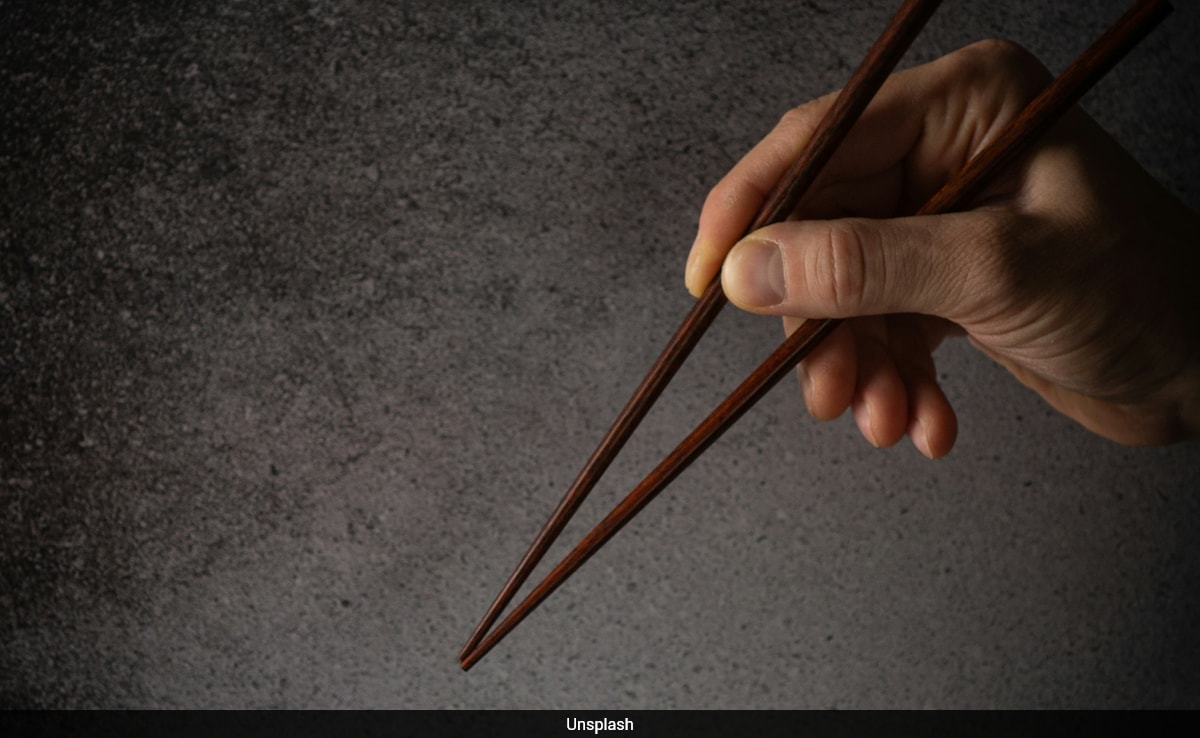
You think you'd notice a six-inch piece of bamboo lodged in your throat. Most of us assume our bodies would scream for help until the problem was solved. But a man in China, identified in medical reports as Mr. Li, proved that the human body is terrifyingly good at adapting to things that should definitely not be there. For eight years, he lived with a chopstick stuck in his esophagus. This isn't just a freak accident story. It's a case study in how we dismiss chronic pain and why the "wait and see" approach to health can be a death sentence.
The ordeal started back in 2006 during a physical altercation. In the heat of a struggle, a chopstick was shoved into his mouth. It didn't just scratch him. It broke off. Most people would hit the emergency room immediately. Mr. Li did seek help, but early exams didn't catch the foreign object. Because he could still breathe and swallow—mostly—he eventually stopped looking for answers. He just got used to the discomfort.
Why doctors miss foreign objects in the throat
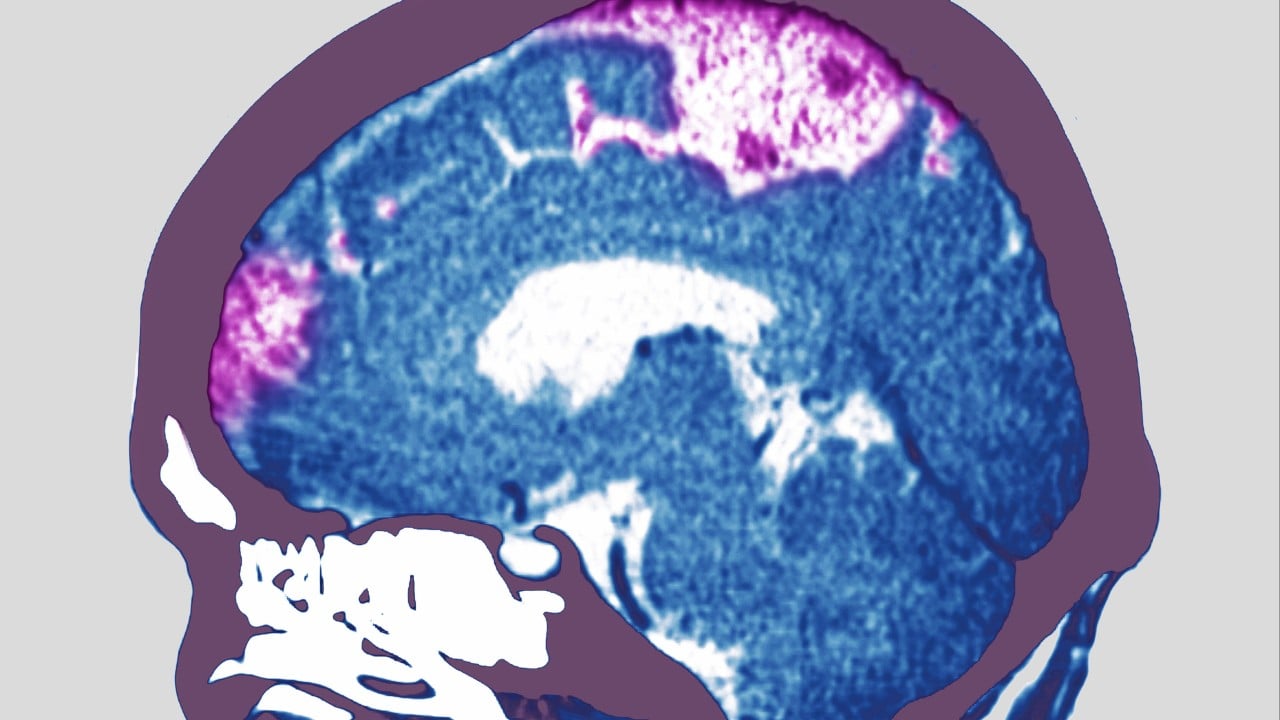
It sounds impossible to miss a chopstick on an X-ray. Here's the catch. Traditional X-rays are great for dense materials like bone or metal. Bamboo and wood are organic. They often have a similar density to soft tissue or liquid, making them nearly invisible in a standard scan unless the radiologist is specifically looking for the "shadow" of an object. This is a common pitfall in emergency medicine.
When Mr. Li first went to the hospital, the focus was likely on the immediate trauma of the fight. If there wasn't a clear puncture or massive bleeding, a superficial exam might have suggested he just had some throat swelling. He spent nearly a decade dealing with what he thought was a chronic cough and occasional breathing issues. He probably blamed it on allergies or a recurring cold.
We see this all the time in clinical settings. Patients internalize their pain. They decide that if it hasn't killed them yet, it must not be that serious. That's a dangerous gamble. In Mr. Li's case, the chopstick wasn't just sitting there. It was a ticking time bomb.
The dangerous path of the migrating chopstick
A foreign object in the body doesn't just stay put. It migrates. Over eight years, the chopstick moved. It shifted from the back of his throat down toward his esophagus and eventually started pressing against his right lung. This is why his symptoms changed over time. The "sore throat" became a respiratory issue.
The body tries to protect itself by forming a granuloma—a mass of granulation tissue—around the intruder. It’s an inflammatory response meant to wall off the "invader." While this keeps the object from causing immediate sepsis, it creates a hard lump that can interfere with vital organs. By the time Mr. Li finally went to the Hechi People's Hospital in 2014, he was suffering from severe, localized pain that could no longer be ignored.
Surgeons were shocked. They didn't find a small splinter. They pulled out a 14-centimeter (about 5.5 inches) piece of a chopstick. It was blackened and covered in filth from years of exposure to bodily fluids and bacteria. The fact that he didn't develop a massive, fatal infection like mediastinitis is a fluke of biology.
Don't ignore the low-grade symptoms
If you have a symptom that lasts longer than two weeks, you need a second opinion. Period. Mr. Li’s story is extreme, but the underlying behavior—ignoring persistent discomfort—is something I see every day. People walk around with "nagging" back pain that’s actually a kidney stone, or a "tight chest" that’s a heart condition.
Medical professionals are human. They miss things. If you know something went into your body, or if a specific pain started after a specific event, you have to be your own advocate. If a standard X-ray comes back clear but the pain persists, demand a CT scan or an endoscopy. These tools provide a 3D view and direct visualization that a flat X-ray can't match.
Common signs of a foreign body in the esophagus
- Persistent feeling of something caught in the throat (globus sensation).
- Pain when swallowing (odynophagia).
- Unexplained coughing or wheezing.
- Recurring respiratory infections or pneumonia in the same lung lobe.
- Spitting up blood or foul-smelling mucus.
In Mr. Li's case, he had many of these, but he lacked the "health literacy" to realize they were connected to the fight years earlier. He’s lucky to be alive. A few millimeters in the wrong direction and that chopstick could have perforated his aorta or his heart.
Lessons from the operating table
The surgery to remove the object was complex. Because the chopstick had been there so long, it was fused with surrounding tissue. Surgeons had to be incredibly careful not to cause the very hemorrhage they were trying to prevent. Fortunately, the procedure was a success, and Mr. Li made a full recovery.
What can you take away from this? Don't be a "tough" patient. Being "tough" just means you're good at dying slowly. If you've had an injury and things don't feel "right" weeks later, go back. Use different words. Describe the sensation, not just the pain level. Tell the doctor exactly what happened, even if it was years ago.
If you are currently dealing with a persistent health issue that your primary doctor has dismissed, your next step is simple. Book a specialist. If it's a throat issue, see an ENT (Ear, Nose, and Throat) specialist. Specifically ask for a "diagnostic endoscopy." It's a quick, often outpatient procedure that uses a camera to see what X-rays miss. Don't wait eight years to find out what's eating you from the inside.