The music industry is lazy, and nostalgia is its favorite crutch.
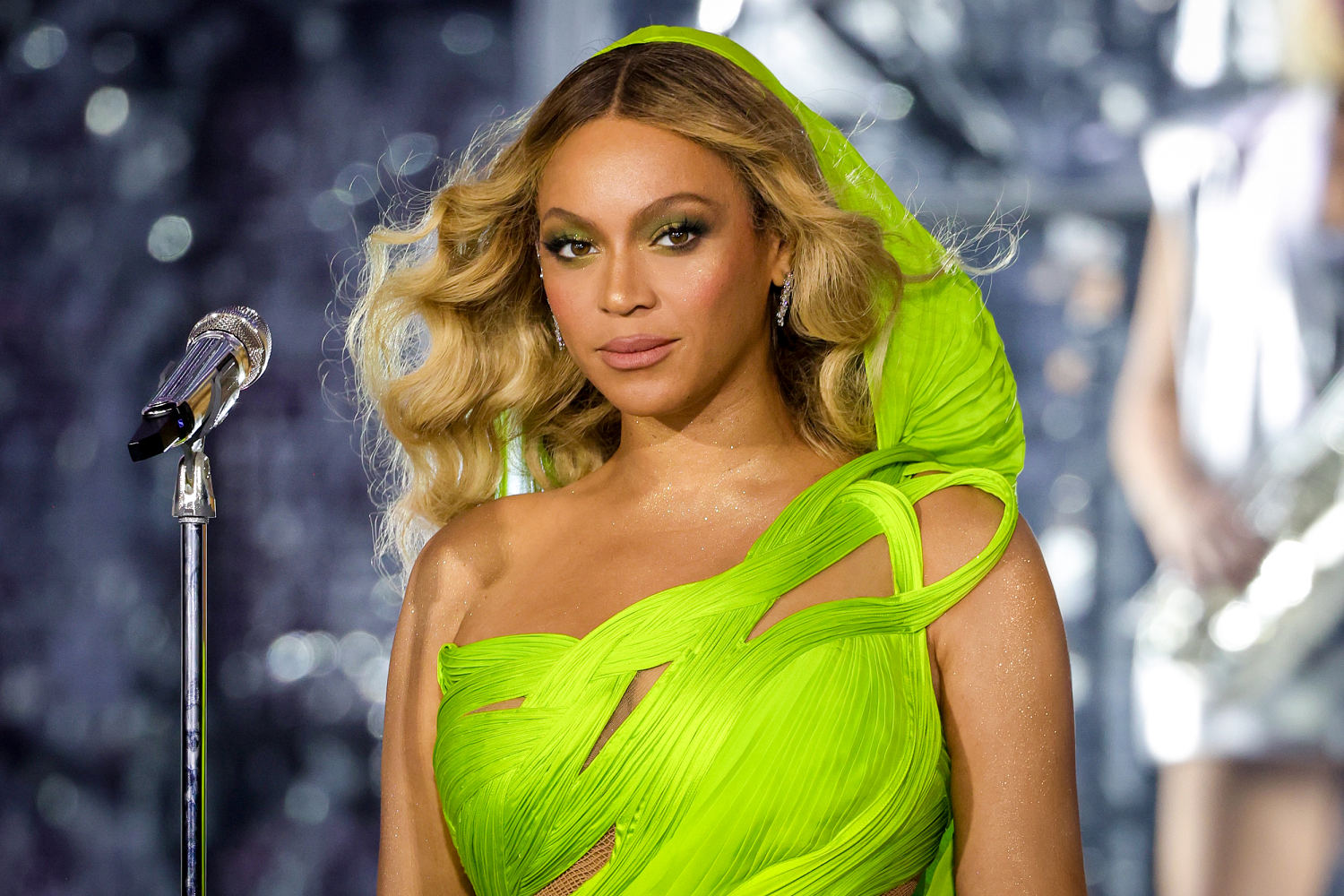
When a superstar like Beyoncé drops a surprise or teases a reissue like B’Day, the entire entertainment press corps falls over itself to declare it a masterstroke of marketing. They call it a gift to the fans. They frame it as a brilliant celebration of legacy.
They are missing the point entirely.
This isn’t a celebration. It’s a symptom of a systemic stagnation. The constant reliance on reissues, anniversaries, and vaulted tracks is a defensive crouch from an industry that has lost its ability to build new, enduring icons. By treating decades-old catalogs as the primary engine for excitement, major labels and top-tier artists are cannibalizing the future of music to cash in on the past.
The Illusion of the Surprise Drop
The narrative around the "surprise drop" has been stale for a decade. Ever since the self-titled Beyoncé album shook the ecosystem in 2013, the industry has operated under the delusion that sudden scarcity and shock value are viable long-term engagement strategies.
They aren't.
What worked as a disruptive tactic in a transitioning digital marketplace has frozen into a rigid, predictable formula. Today, a holiday weekend "surprise" announcement is about as shocking as a corporate press release. It is a highly engineered corporate maneuver designed to dominate a specific 24-hour news cycle, manipulate streaming algorithms, and extract maximum revenue from a core fanbase that is already converted.
When we analyze the mechanics of these legacy reissues, the flaws in the premise become obvious.
- Artificial Urgency: Re-packaging 2006 tracks with a few unreleased demos creates a false sense of cultural moment.
- Algorithmic Dominance: It crowds out emerging talent by hogging prime real estate on streaming platforms.
- Diminishing Returns: Each subsequent reissue or anniversary edition yields less cultural impact, relying purely on the exhaustion of existing intellectual property.
I have spent years watching marketing teams burn millions trying to recreate the lightning-in-a-bottle magic of the early streaming era. They fail because they confuse a distribution tactic with actual cultural momentum.
Dismantling the Fan First Narrative
Let’s answer the question the entertainment media refuses to ask: Who does this actually serve?
The standard defense is that reissues are "for the fans." That is a flawed premise. True fans already possess the music. They have the original pressings, the digital files, and the memories. Selling them back a slightly polished version of something they bought twenty years ago isn't a gift. It’s an extraction strategy.
Consider the economics of physical media and streaming right now. Vinyl production lines are backed up for months. Independent artists cannot get their records pressed because major labels choke the supply chain with massive orders for color-variant reissues of albums that have been available for decades.
[Legacy Reissue Orders] -> [Vinyl Pressing Bottleneck] -> [Independent Artists Delayed Indefinitely]
This structural bottleneck actively harms the ecosystem. When a legacy artist locks up production capacity for an anniversary edition, an independent artist loses their touring merchandise window. The industry is trading the long-term health of its talent pipeline for a short-term spike in Q3 revenue.
The Danger of Over-Curating Legacy
There is a distinct difference between preserving history and exploiting it. Artists like Prince and David Bowie left behind vaults of material that require careful, archival curation. But the modern trend of reissuing albums that are barely old enough to vote speaks to a deeper anxiety.
Artists are terrified of becoming irrelevant in a fractured media landscape.
When attention spans are measured in seconds on TikTok, maintaining a monocultural footprint is almost impossible. The response from elite artists is to retreat into their safest, most validated eras. By constantly redirecting the audience’s attention backward to albums like B'Day, the message sent is clear: The new stuff won't match the peak, so let's just stay here.
This creates a dangerous feedback loop. Audiences become conditioned to value an artist’s history over their trajectory. It turns living, breathing creators into museum curators of their own brands.
Shift Your Strategy From Monoculture to Subculture
If you are a creator or an executive looking at this landscape, do not copy the legacy playbook unless you already possess a multi-decade, global apparatus. It will fail you.
Instead of trying to engineer a massive, top-down cultural moment, build for fragmentation.
- Stop Hiding the Process: The era of the immaculate, fully formed surprise drop is dead for anyone outside the top 0.01%. Audiences want context, not just content.
- Prioritize Velocity Over Perfection: Don't sit on material for twenty years just to release it as a "vault track." The value of music degrades when it is hoarded.
- Own Your Distribution Channel: If you rely entirely on streaming platforms to deliver your "surprise," you don't own the moment—the platform does.
The industry wants you to believe that the old ways still work, that a holiday weekend teaser can still stop the world. It can't. The world has moved on, split into a million pieces, and no amount of remastered nostalgia can glue it back together. Stop looking back at the birthdays of the past and start building something that can survive tomorrow.