A federal court block on the executive takeover of the John F. Kennedy Center for the Performing Arts exposed the profound operational and legal limits of governing by executive decree. U.S. District Judge Christopher Cooper dismantled a sweeping administration campaign to shutter the national cultural landmark for a two-year renovation and strip it of its exclusive dedication to the nation’s 35th president. By ruling that the board of trustees acted unlawfully, the decision reestablished that federal monuments created by Congress cannot be repurposed as personal monuments through administrative maneuvers.
The legal defeat represents a sharp check on executive overreach, invalidating a months-long effort to fundamentally reshape the capital’s cultural infrastructure.
The Illusion of Corporate Ownership
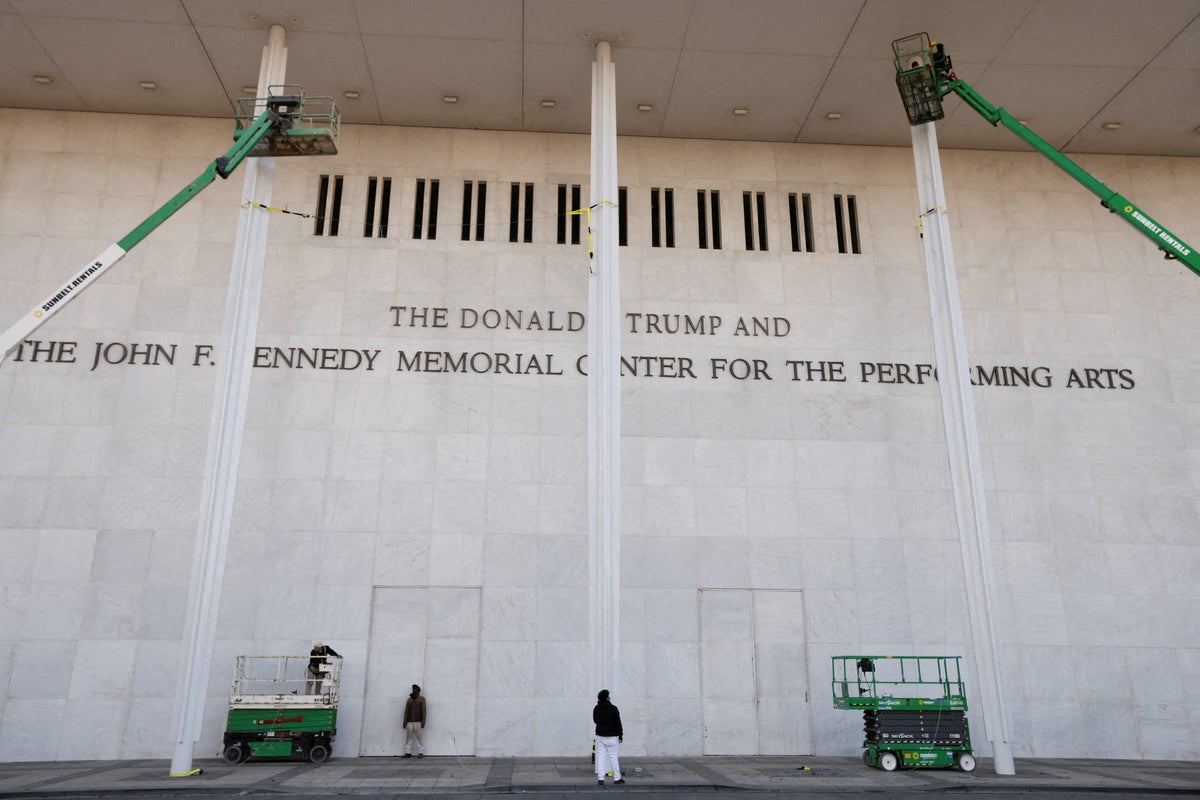
The crisis began when the administration initiated a structural overhaul of the Kennedy Center's governing apparatus. Treating a federally mandated national memorial like a distressed real estate asset, the executive branch orchestrated a sweeping purge of the institution's board of trustees. New loyalist appointees quickly approved a resolution to append the sitting president’s name to the building’s façade and digital infrastructure, branding it the Trump Kennedy Center.
The corporate reimagining went beyond mere signage. In March, the newly installed board voted to entirely halt the center's public operations and programming for twenty-four months to facilitate a major structural renovation. The sudden shutdown disregarded ongoing performance contracts, historical preservation guardrails, and explicit statutory obligations to maintain the venue for the American public.
The strategy hit a wall in federal court. In a exhaustive 94-page opinion, Judge Cooper clarified that federal entities operate under statutory mandates rather than the personal whims of their temporary caretakers.
"The Kennedy Center's organic statute makes crystal clear that the Center is to be named for President Kennedy, and it cannot bear any other formal name or public memorial based on the Board's unilateral say-so," Cooper wrote. "Congress gave the Kennedy Center its name, and only Congress can change it."
The court found that the board’s vote to shutter the facility was an unexamined, preordained directive rather than an independent administrative decision. Internal documents revealed that trustees were provided with a one-sided presentation that completely ignored the catastrophic financial impact on artists, staff, and ticket holders.
The Financial Fallout of Politicized Art
The administrative maneuvering severely damaged the institution's financial stability before the court could even intervene. Washington cultural institutions rely heavily on a delicate mix of federal appropriations, corporate sponsorships, and ticket sales. Disrupting that equilibrium for political positioning carries immediate, measurable consequences.
- Box Office Collapse: Ticket sales cratered to historic lows following the initial renaming announcement as patrons boycotted the venue.
- Artistic Flight: High-profile national tours and performance groups, including the production of the musical Hamilton, cancelled scheduled runs rather than perform under the revised marquee.
- Institutional Isolation: The Washington National Opera openly evaluated plans to permanently vacate the premises to protect its international brand from political blowback.
The administration defended the planned two-year closure by pointing to a $257 million congressional appropriation earmarked for physical repairs. Justice Department attorneys argued that the board possessed unilateral authority to manage facilities and maintain the building's physical structure as it saw fit.
The argument failed because it ignored the specific preservation laws governing national historic landmarks. Preservation groups and congressional representatives co-signing the lawsuit presented evidence that the administration planned an aggressive architectural alteration. Public statements regarding a desire to expose the building’s internal steel skeleton raised immediate alarms that the historic mid-century modern fabric of the Edward Durell Stone building would be permanently compromised without oversight.
Executive Retreat and the Legislative Sandbox
The administration's response to the ruling followed a familiar pattern of strategic retreat masked as policy realignment. Rather than contesting the statutory boundaries highlighted by the court, the executive announced a total withdrawal from the venue's operations. The administration directed the Department of Commerce to initiate a full transfer of management responsibilities directly back to Congress.
The maneuver shifts the financial and operational burden of a fractured institution back to the legislative branch. By abandoning the project, the executive attempts to frame the halting of renovations as legislative obstruction rather than administrative failure. The strategy leaves the center caught in a bureaucratic limbo, holding millions in approved restoration funds but lacking an operational plan that satisfies both preservation laws and standard arts management requirements.
The immediate challenge shifts to the physical space itself. The court gave administrators exactly 14 days to scrub all references to the alternative naming scheme from physical façades, digital platforms, and active trademark filings. Turning back the clock on a highly publicized institutional rebranding requires complex logistical coordination, reversing months of administrative work in two weeks.
The legal reality remains unyielding. Federal monuments are anchored in statutory law, insulated from the rapid transformations typical of private sector acquisitions. The Potomac front portico remains explicitly dedicated to a single administration, leaving future executive ambitions to find alternative spaces for architectural immortality.
The legal and political battle over the landmark venue's identity highlights the structural limits of executive authority over national cultural monuments. For a deeper look at the immediate aftermath of the court's decision, watch this News report on the Kennedy Center ruling which details the physical removal of the signage and interviews local preservationists.