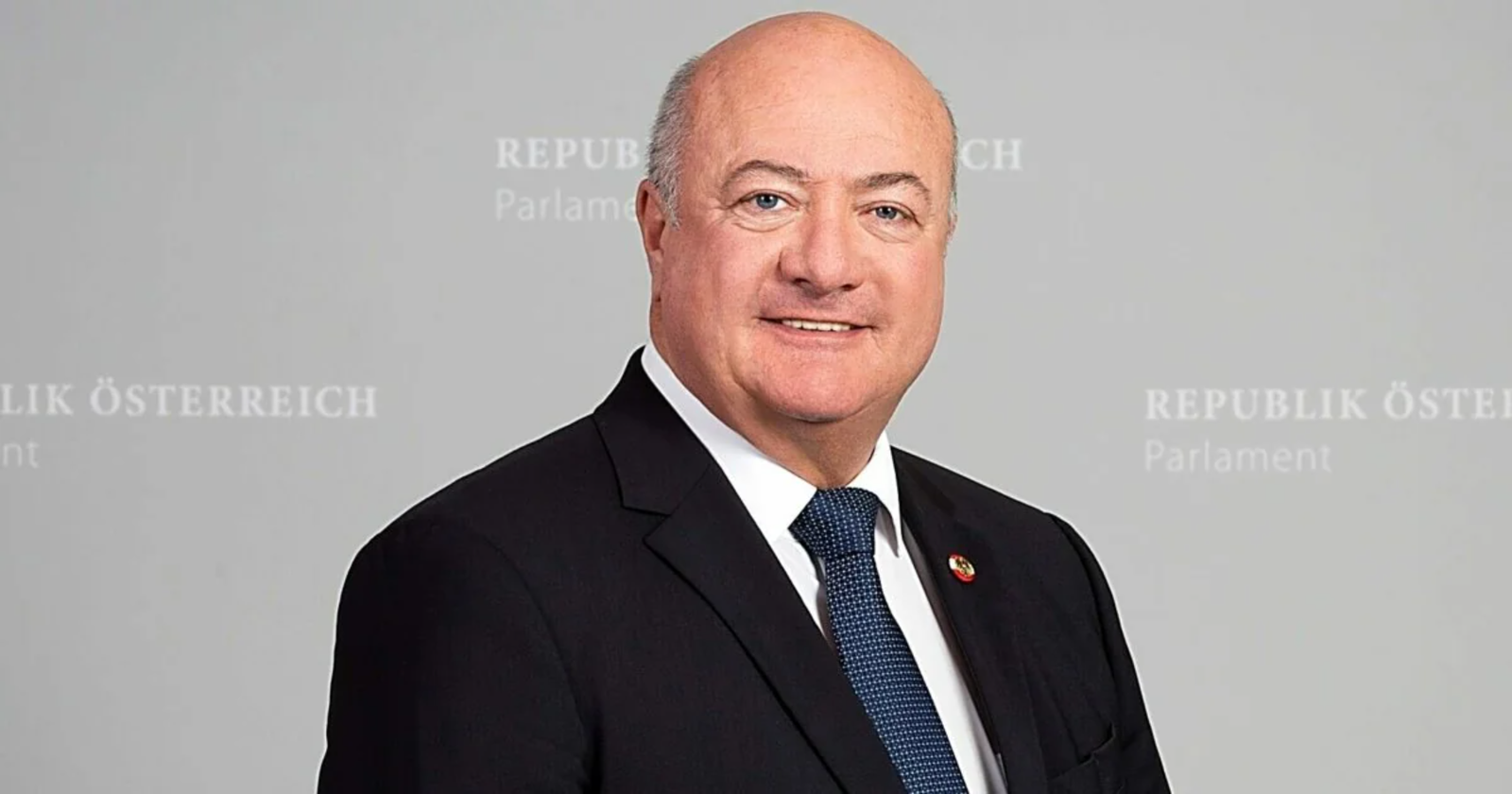
Christian Stocker didn't just walk into Rajghat for a photo op. When the Austrian Chancellor and his wife, Eveline Stocker, stood before the black marble platform of the Mahatma Gandhi memorial, they were participating in a ritual that has become the bedrock of modern diplomacy in New Delhi. It’s about more than just flowers. It’s about signaling.
For an Austrian leader visiting India in 2026, stopping at Rajghat is the ultimate gesture of respect. You can talk trade deals and technology transfers all day, but nothing resonates with the Indian public quite like a world leader removing their shoes and bowing before the spot where Gandhi was cremated. Stocker knows this. He understands that in the current global climate, aligning with Gandhi’s philosophy of non-violence is a calculated, necessary move for any European head of state.
Diplomacy through the lens of peace
The Chancellor’s visit comes at a time when Europe is desperate for stable partners. India isn't just a market anymore; it’s a geopolitical anchor. By visiting Rajghat, Stocker is telling the Indian government—and the world—that Austria shares the fundamental values that built the Indian Republic. He laid a floral wreath, stood in silence, and performed the parikrama (circumambulation) around the memorial.
It’s a simple act. But it carries massive weight.
Most people think these visits are just filler for a busy itinerary. They’re wrong. These moments are where the "vibes" of a bilateral relationship are set. When Stocker signed the visitor's book, he wasn't just scribbling a note; he was cementing a narrative of shared history and mutual respect. Eveline Stocker’s presence alongside him added a layer of personal connection that often gets lost in the sterile world of high-level politics.
Why Rajghat remains the center of the world for visiting leaders
You might wonder why every single dignitary, from American Presidents to European Chancellors, makes this exact same trip. Is it cliché? Maybe. Is it effective? Absolutely. Gandhi represents a moral authority that transcends borders. For Stocker, a leader from a neutral nation like Austria, the message of peace is particularly on-brand.
Austria has long positioned itself as a bridge-builder in international relations. Standing at the site of Gandhi’s memorial reinforces that identity. It’s a way of saying, "We aren't just here to sell you stuff; we're here because we believe in the same kind of world."
During the ceremony, the atmosphere was predictably somber. The Chancellor was briefed on the history of the site, though most leaders of his caliber already know the drill. The simplicity of Rajghat—the open sky, the eternal flame, the lack of ornate decoration—contrasts sharply with the gilded halls of European power. That contrast is intentional. It forces a moment of reflection that Stocker seemed to lean into.
The strategic importance of the Stocker visit
Let's look at the numbers. Trade between Austria and India has been ticking upward, specifically in sectors like green energy and urban infrastructure. But you don't get the big contracts without the small gestures. This visit to Rajghat serves as the emotional opening act for the harder business discussions happening behind closed doors at Hyderabad House.
- Green Technology: Austria is a leader in hydroelectric power and waste management.
- Infrastructure: Indian cities are expanding, and Austrian engineering is in high demand.
- Cultural Exchange: Tourism between the two nations is hitting record highs in 2026.
Stocker’s tribute acts as a lubricant for these gears. It builds trust. In India, trust is the primary currency. If you don't show respect to the "Father of the Nation," you're going to have a much harder time negotiating the price of specialized machinery or semiconductor components later in the week.
The role of the spouse in modern state visits
Eveline Stocker wasn't just a background figure during the tribute. Her involvement in these cultural milestones is a key part of "soft power." While the Chancellor handles the policy side, the spouse often engages with the cultural and social fabric of the host country. By participating in the wreath-laying, she helps humanize the diplomatic mission.
We’ve seen this before with other visiting couples. It creates a more relatable image for the media. It’s one thing to see a man in a suit talking about GDP; it’s another to see a couple paying their respects at a sacred site. It signals a wholistic commitment to the relationship between the two countries.
What happens after the flowers fade
The tribute at Rajghat is over in thirty minutes, but the ripples last. The photos will circulate in Indian newspapers and across social media, framing Stocker as a "friend of India." This is pure gold for his public relations team back in Vienna and for the Indian Ministry of External Affairs.
But don't be fooled into thinking this is only about optics. The silence at the memorial provides a rare gap in a frantic schedule for actual thought. In a world of 24-hour news cycles and instant communication, those few minutes of standing still at Rajghat might be the most "real" thing a leader does all day.
If you're following the trajectory of Indo-Austrian relations, keep your eyes on the joint statements that follow this trip. You'll likely see a lot of language about "shared democratic values" and "multilateralism." That language starts here, at a quiet memorial in Old Delhi.
Your next steps for following this story
If you want to understand the true impact of this visit, don't just look at the Rajghat photos. Look at the specific agreements signed in the 48 hours following the tribute. Specifically, watch for announcements regarding the "Migration and Mobility Partnership" and any new deals in the renewable energy sector.
- Check the official briefings from the Federal Chancellery of Austria.
- Monitor the Indian Ministry of External Affairs (MEA) Twitter feed for real-time updates on the delegation’s movements.
- Compare this visit to previous trips by European leaders to see if Stocker is breaking new ground or following the established playbook.
The reality of international politics is that the symbolic and the practical are inseparable. Christian Stocker’s tribute to Gandhi was a masterclass in how to play the game with heart. Now, the real work begins.


