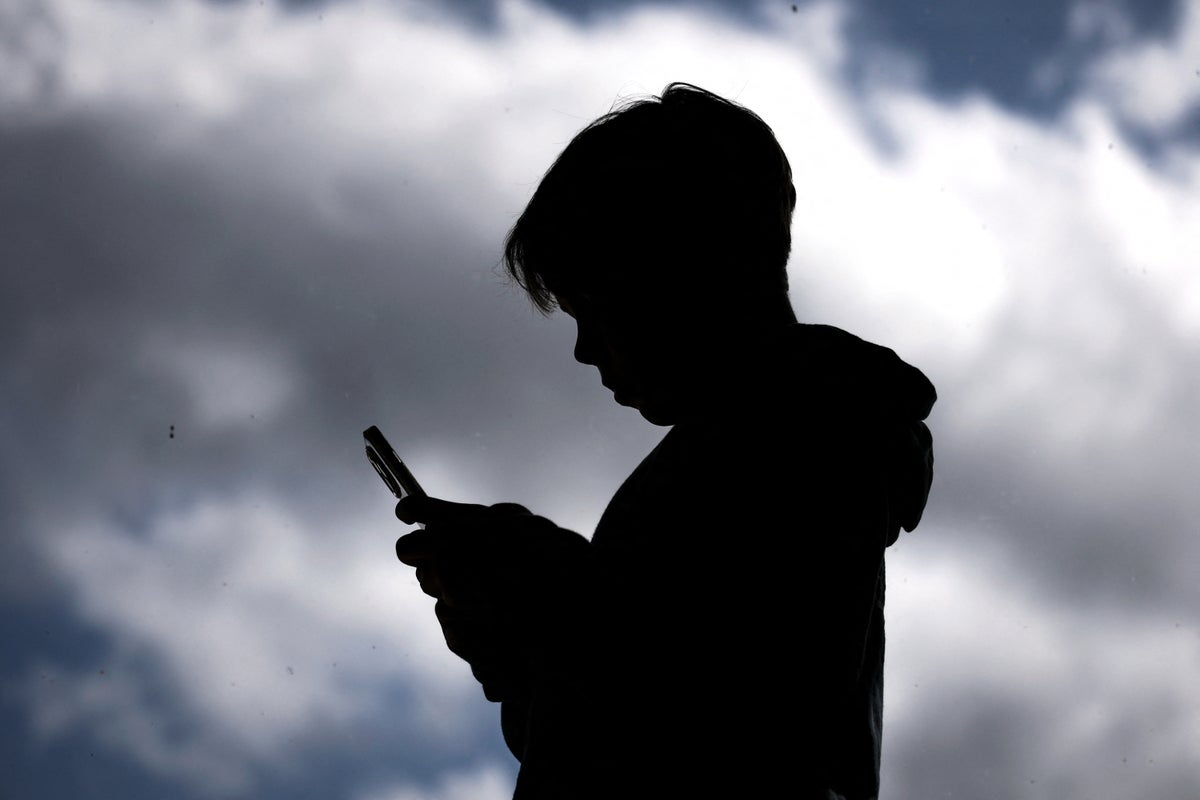
Australia’s world-first experiment in digital prohibition has hit the three-month mark, and if you were expecting a sudden return to 1995, you’re going to be disappointed. On December 10, 2025, the Australian government flipped the switch on the Online Safety Amendment (Social Media Minimum Age) Act. It was a bold, some say desperate, attempt to rescue a generation from the clutches of predatory algorithms and the mental health spiral of the "scroll."
Three months in, the streets aren't exactly filled with teenagers playing marbles. Instead, we’re seeing a messy, predictable collision between rigid legislation and the fluid reality of the internet. The "Great Aussie Firewall" for kids is proving to be more of a leaky sieve than a fortress.
The Numbers vs The Reality on the Ground
If you listen to the press releases, the ban is a technical triumph. The eSafety Commissioner, Julie Inman Grant, recently noted that roughly 4.7 million accounts belonging to under-16s were purged or deactivated in the initial weeks of the rollout. That’s a massive number. It suggests that Big Tech—fearing those $50 million fines—actually put in the work to identify and boot underage users.
But numbers don't tell the whole story. Talk to any 14-year-old in Sydney or Melbourne and they’ll tell you the truth: they never really left.
The ban hasn't stopped social media use; it has simply turned it into an underground activity. Teenagers are bypassing age-verification tools with a level of creativity that would make a cybersecurity expert blush. I’ve seen kids use older siblings' IDs, "borrow" a parent’s face for a quick biometric scan, or simply pivot to platforms that haven't been slapped with the "age-restricted" label yet.
How Kids are Outsmarting the System
The legislation targets "age-restricted social media platforms" where the primary purpose is social interaction. This includes the usual suspects: TikTok, Instagram, X, Snapchat, and eventually YouTube. However, the government left several doors wide open.
The Great Migration to Messaging
WhatsApp and Discord are technically "messaging" or "functional" services and remain largely exempt. Consequently, the social life of the Australian teenager hasn't vanished—it has just moved. Groups that once lived on Snapchat stories have migrated to WhatsApp groups. The bullying, the social comparison, and the "always-on" pressure didn't disappear; they just changed addresses.
The VPN and Identity Loophole
While the law expects platforms to block users physically located in Australia, it doesn't make VPNs illegal. Many teens are simply spoofing their location to London or New York and continuing as if nothing happened. Others are using "identity brokers"—basically, 16-year-old entrepreneurs who charge five bucks to verify an account for a younger peer.
The Mental Health Gamble
The core intent of the ban was to address a genuine crisis. Data from late 2025 and early 2026 continues to show a sharp correlation between heavy social media use (over three hours a day) and increased rates of depression and anxiety. Proponents of the ban, like author Jonathan Haidt, argue that we need to reach a "critical mass" of 70% compliance to see a cultural shift.
But critics argue we're treating the symptom, not the disease. By banning the platforms, we aren't fixing the addictive design of the algorithms or the lack of "third places" for kids to hang out in the real world.
Some parents have reported "nice" changes—kids asking to go play mini-golf because they’re bored. That’s a win. But for others, the ban has created a "digital inequality." Kids with tech-savvy parents or the means to bypass the ban stay connected. The kids who actually follow the rules find themselves socially isolated from their peer groups.
The Burden on Big Tech
The Australian government was very clear: this isn't about punishing parents or kids. The target is the platforms. They are required to take "reasonable steps" to prevent under-16s from having accounts.
What defines "reasonable" is the multi-million dollar question. Right now, we’re seeing a "waterfall" approach to age assurance:
- Self-Declaration: (Basically useless, as kids just lie).
- Biometric Estimation: Using AI to guess age based on a selfie.
- Third-Party Verification: Using specialized services that check attributes without needing a full government ID.
This has turned into a privacy nightmare. To "protect" kids, we’re now asking them to hand over biometric data or facial scans to third-party companies. It’s a trade-off that many privacy advocates find unacceptable. If a database of facial geometry for every 15-year-old in Australia gets hacked, the "online safety" argument starts to look pretty thin.
The Global Domino Effect
Whether the ban works or not, the rest of the world is watching. Spain, Denmark, and even several U.S. states are drafting similar "copycat" legislation. Australia has become the world’s laboratory for digital age-gating.
If the ban fails to move the needle on mental health over the next two years, it will be a massive blow to the "restriction-first" movement. But if it succeeds in even marginally reducing the "doomscrolling" habits of a generation, it might become the new global standard for the internet.
What You Should Do Now
If you're a parent or educator navigating this new landscape, don't rely on the ban to do the parenting for you.
- Talk about the "Why": Most kids view the ban as an annoying hurdle. Explain the research on how algorithms are designed to hijack their attention.
- Audit the Messaging Apps: Just because WhatsApp is legal doesn't mean it's safe. Check the group chats where the bulk of the social interaction has migrated.
- Focus on Replacement, Not Just Restriction: A ban creates a void. If there’s nothing for a kid to do on a Tuesday afternoon besides stare at a wall, they will find a way back onto TikTok. Find real-world activities that offer the same hit of social validation.
The next three months will likely see more aggressive enforcement from the eSafety Commissioner and more sophisticated workarounds from teenagers. The battle for the Australian childhood is far from over—it’s just moved into a more complicated phase.
If you want to keep your family's data safe while navigating these new verification prompts, you can start by reviewing the privacy policies of the third-party age-checkers these platforms are now using.