Australia just dropped a massive reality check on its national security. The federal government is officially jacking up defence spending to 3% of GDP by 2033. If that sounds like a lot of money, it's because it is. We're talking about an extra $53 billion over the next decade.
For years, 2% was the "magic number" that everyone aimed for. It was the standard set by NATO and followed by allies. But the world looks a lot messier in 2026 than it did even five years ago. Defence Minister Richard Marles didn't mince words when he said we're facing the most "complex and threatening" circumstances since the end of World War II. Basically, the old rules don't apply anymore.
The math behind the 3 percent target
Don't let the shiny new 3% figure fool you into thinking it's all new cash hitting the bank tomorrow. A big chunk of this "increase" actually comes from how we define defence spending. The government is moving to the NATO definition, which lets them count things they didn't count before.
If you use the old math, we're currently at about 2% of GDP. Under the new NATO-style accounting, we’re already at 2.8%. By hitting 3% by 2033, we're technically just keeping pace with a more honest look at our expenses.
Here’s where the money is actually going:
- $425 billion for total military capabilities through 2035-36.
- $14 billion in extra funding over the next four years to get things moving.
- A massive focus on AUKUS nuclear-powered submarines, which will eat up a huge slice of the pie.
It's a "buy now, pay later" strategy. Most of the real spending doesn't actually kick in until after 2027. That’s at least one federal election away. It's easy to promise billions in the 2030s; it's much harder to find that cash in today’s budget when people are screaming about the cost of living.
Why the sudden rush to arm up
You don't spend $887 billion over a decade just for fun. The government is terrified of "eroding global norms." That’s polite diplomatic speak for the fact that Russia, China, and Iran are throwing their weight around.
The Indo-Pacific isn't the quiet neighborhood it used to be. China's military build-up is the largest we've seen since 1945. Meanwhile, the Trump administration in the US has been leaning on allies like Australia to do more. Some in the Pentagon, like Elbridge Colby, have been pushing for Australia to hit 3.5% or even 4%.
We’re moving from a military that was designed to help out in overseas wars (like Afghanistan) to a "denial" force. The goal isn't to invade anyone. It’s to make it so expensive and painful for someone else to mess with us that they don't even try.
The AUKUS factor
AUKUS is the elephant in the room. These nuclear submarines are the most expensive project in Australian history. We're looking at a price tag between $268 billion and $368 billion over the life of the program.
To pay for these subs, the government is cutting other things. They’ve already scrapped or delayed:
- A fourth squadron of F-35 JSF fighter jets.
- A second regiment of Huntsman self-propelled howitzers.
- Certain sea lift and replenishment ships.
It’s a massive gamble. We're putting all our eggs in the "high-tech undersea" basket. If those subs don't show up on time or the tech becomes obsolete, we’ve gutted our traditional army for nothing.
What most people get wrong about this spend
Most people think this is about buying tanks and planes. It’s not. A huge part of this new strategy is about private capital and industrial base.
Australia doesn't just need to buy missiles; we need to be able to make them. The war in Ukraine showed everyone that you can run out of ammo in weeks, not years. We're throwing $1 billion just to accelerate the delivery of long-range missiles and drones.
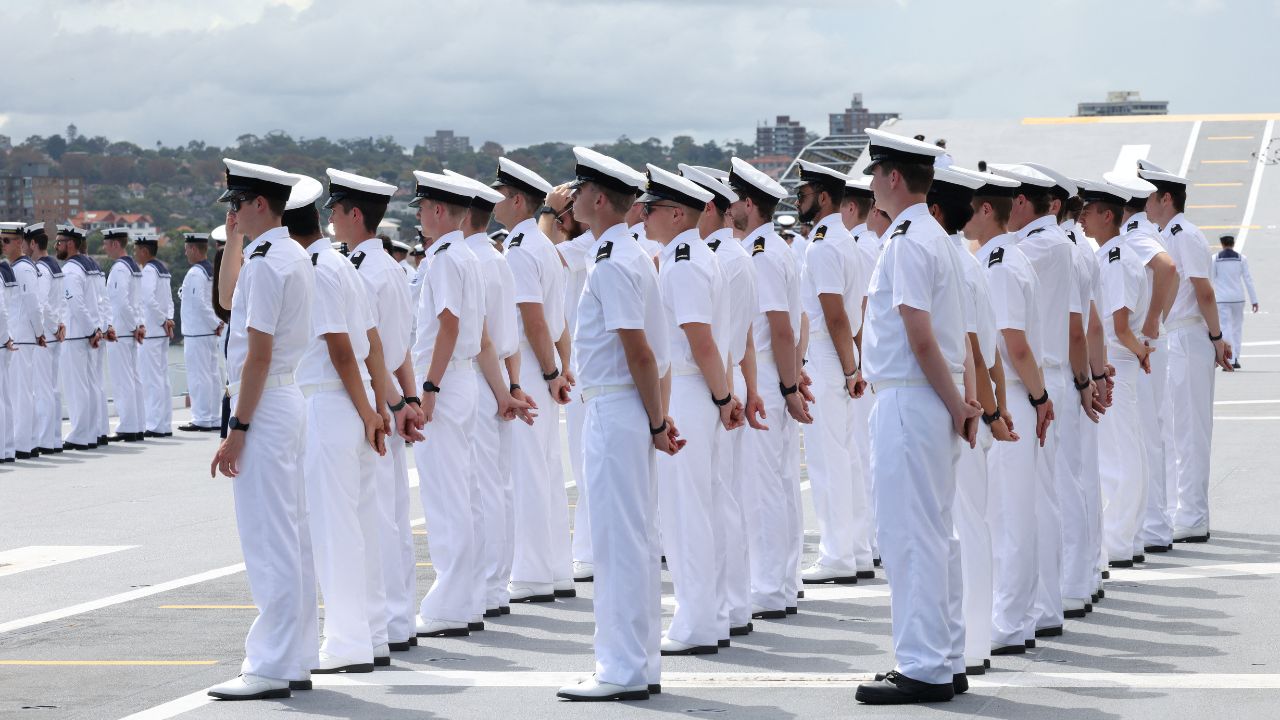
Honestly, the biggest challenge isn't the money—it's the people. You can't just buy a nuclear sub and plug it in. You need thousands of highly trained sailors and engineers. Currently, the ADF is struggling to hit its recruitment targets. All the 3% targets in the world won't matter if there's no one to crew the ships.
What you should watch for next
If you're trying to figure out if this is actually working, don't look at the big headlines. Look at the "forward estimates."
- Watch the 2027-28 budget: That’s when the first real "bump" in spending is supposed to happen. If the government pushes it back again, you’ll know they’re just kicking the can down the road.
- Follow the recruitment numbers: If the ADF can't fix its personnel crisis, the equipment will just sit in warehouses.
- Keep an eye on US politics: If Washington continues to demand 4% or more, Australia might find that 3% was just the starting bid, not the finish line.
The days of Australia being a "low-cost" security partner are over. We're officially entering an era where defence is going to hurt the national bottom line. Get used to it.