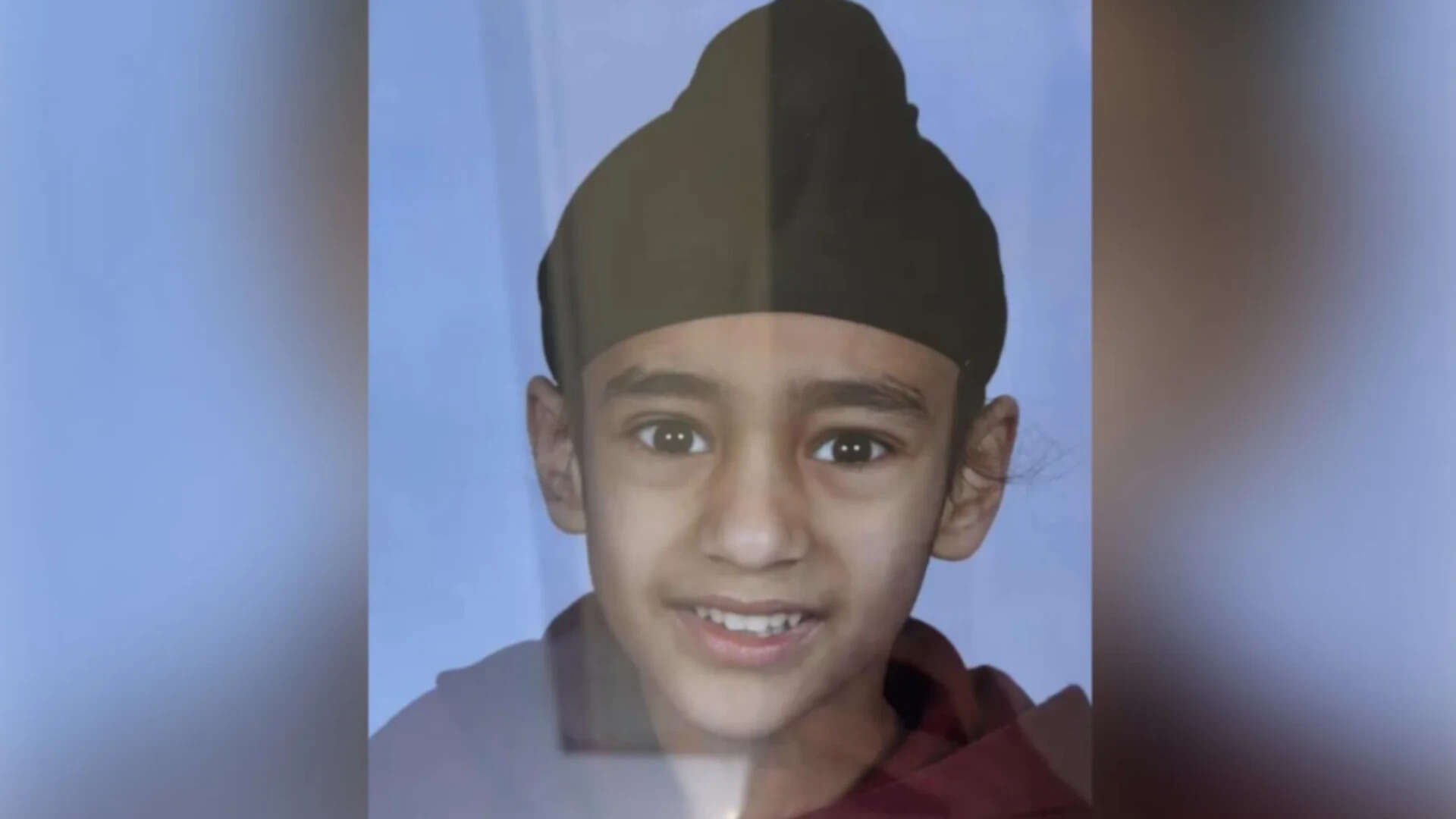
An eight-year-old boy slips away from a school transport van. He is non-verbal, autistic, fast, and prone to wandering. Minutes later, he is found lifeless in a backyard swimming pool. This happened in Te Atatū South, Auckland, and the details that emerged are devastating.
When Gurshabad Singh died, a massive search was already underway. Police looked through streets and nearby creeks. But the boy had moved quickly through properties and jumped fences. The woman who found him in her pool is partially deaf. She was working from home and heard absolutely nothing. When she looked outside to hang washing, she saw his body submerged. Also making headlines lately: The Real Reason Iran is Offering to Ship Its Uranium Stockpile Abroad.
It's a nightmare that leaves communities asking heavy questions. How does a vulnerable child escape a supervised transport van? How do we protect children who cannot communicate their danger? The Auckland Council confirmed the pool fence complied with regulations. Yet, a tragedy still happened. This forces us to look past simple compliance. We must look at the real gaps in water safety and vulnerable child supervision.
The Reality of Elopement and Autism
Wandering, or elopement, is a major concern for families raised by the autism community. It isn't just standard childhood curiosity. It's a driven, rapid movement toward an area of interest, very often water. The Interactive Autism Network notes that nearly half of children with autism attempt to elope. Water holds a powerful attraction for many autistic children, providing sensory input that draws them in. Further information into this topic are covered by The Washington Post.
Gurshabad's parents knew this. They described him as energetic and incredibly fast. The system failed to keep pace with that speed. He escaped a school transport van, a zone where supervision should be absolute. When a child is non-verbal, traditional search methods like calling their name don't work. They won't call back. They might not even register the shouting as a sign to stop.
When Compliant Fences Aren't Enough
The pool where Gurshabad was found met all Auckland Council regulations. It was fully fenced. This detail is vital because it shatters a common myth. Many people think compliance equals absolute safety. It doesn't.
An active, determined eight-year-old can scale a standard pool fence in seconds. Especially if they are running on adrenaline or focused on the water. We put a lot of faith in physical barriers. Local councils conduct inspections and issue certificates, which is necessary work. But a fence is just a delay tactic, not an absolute guarantee.
The deaf homeowner experienced the horror of this gap firsthand. She didn't hear him enter. Her grandson was asleep. There was no splashing sound loud enough to pierce her quiet home. When she saw the boy, she initially feared it was her own grandson. The panic was immediate. She screamed for help across the fence, and her neighbours rushed over to pull the boy out and start CPR. They tried desperately, but emergency responders later estimated the boy had been in the water for 10 to 15 minutes.
Fixing the Gaps in Transport and Care
The investigation must focus heavily on the transport chain of care. A school van for children with special needs isn't a standard taxi. It requires strict handover protocols. If a child can open doors or slip past adults quickly, the vehicle and the staffing ratios must reflect that risk.
Tragedies like this show that we need layered safety systems. Relying on a single lock, a single driver, or a standard fence leaves a single point of failure.
- Vehicle modifications: Childproof locks and alarms on transit doors that alert drivers instantly when a door opens.
- Visual IDs and trackers: Wearable technology for children known to elope, especially during transition periods like school drop-offs.
- Community alerts: Quick-response protocols that notify immediate neighbours when a vulnerable child goes missing in the area, rather than just searching the wider streets.
Moving Forward Beyond the Grief
The grief of the Singh family is shared by a traumatised neighbourhood. The woman who found Gurshabad has taken time off work, struggling with the memory. Her neighbours who performed CPR gave a spark of hope, but the outcome remains tragic.
We can't just offer thoughts and condolences. School transport providers need to audit their transition protocols immediately. Parents of vulnerable children need stronger support systems and access to tracking technology. Pool owners should check their barriers, not just for council compliance, but with the understanding that a determined child might try to climb them. Look around your property today. Check the latches. Evaluate the perimeter. Safety requires constant adaptation because compliance alone clearly isn't keeping our children safe.