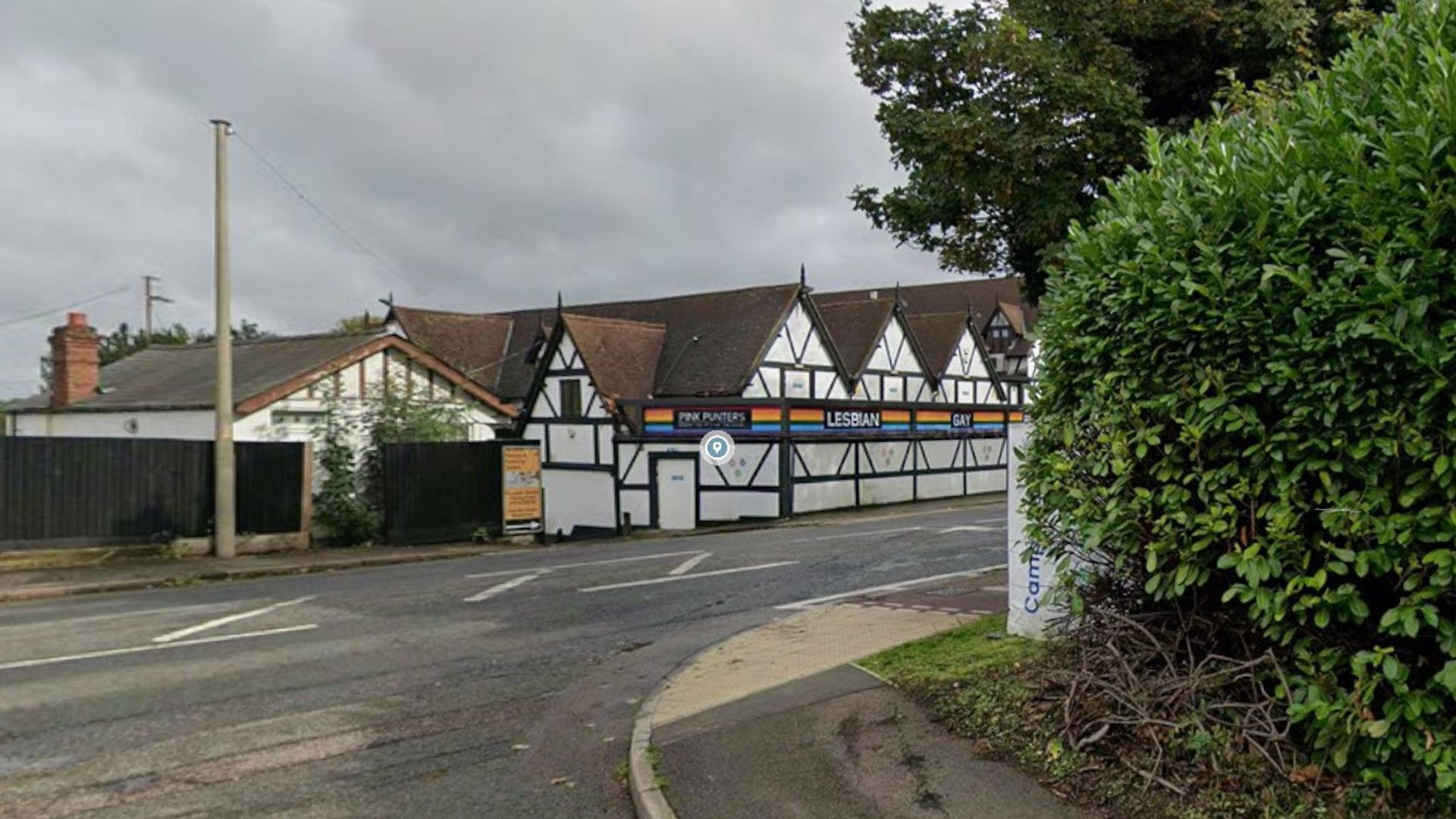
A 24-year-old man remains in police custody following a devastating fire that tore through a prominent LGBT+ nightclub, an event that has sent shockwaves through the local community and raised urgent questions about the safety of marginalized spaces. The blaze, which officials have described as significant and intentional, gutted the interior of the venue during the early hours of the morning, narrowly avoiding mass casualties only because the building was empty at the time of ignition. This is not just a story about a building fire or a single arrest. It is a stark look at the vulnerability of urban sanctuaries and the increasingly volatile environment surrounding queer nightlife.
Investigators have confirmed that the fire was started using an accelerant, pointing to a level of premeditation that moves this case from simple vandalism into the territory of targeted violence. While the suspect has been apprehended, the scars left on the community are deep. For many, these venues are not just places to drink or dance. They are the only spaces where they feel truly safe.
Patterns of Escalation in Targeted Violence
The destruction of property is rarely an isolated incident. When a nightclub that serves a specific minority group is burned, it follows a historical pattern of escalation that law enforcement often struggles to categorize quickly enough. In this instance, the suspect was located within hours of the fire being extinguished, a testament to the high density of surveillance in the district, yet the prevention of such acts remains a massive hurdle.
Security experts suggest that the "why" behind these attacks is shifting. We are seeing a move away from spontaneous bar-room brawls toward planned, ideological strikes against symbols of community. The nightclub in question had recently increased its security presence following a series of online threats, a detail that was largely omitted from initial police briefings. This suggests that the "significant" fire was the culmination of a weeks-long campaign of harassment that finally boiled over into physical destruction.
The Failure of Early Warning Systems
If a venue reports threats and then burns down two weeks later, something in the protective chain has broken. Local precincts are often overwhelmed or under-trained in assessing the validity of digital harassment against LGBT+ businesses. They treat them as "nuisance" calls rather than precursors to arson. This oversight creates a gap that attackers are more than happy to exploit.
The financial reality for these business owners is also grim. Insurance premiums for "high-risk" venues—a label often slapped on LGBT+ bars by providers—skyrocket after such an event, even if the owner is the victim. Some never reopen. The loss of the physical space leads to a fragmentation of the local community, which is exactly what the perpetrator intends.
Structural Vulnerabilities of Nightlife Infrastructure
Old buildings and late-night crowds are a dangerous mix. Most historic nightclubs, including the one targeted in this latest attack, were built long before modern fire suppression standards were established. While the club was reportedly up to code, "up to code" is a low bar when someone is intentionally introducing flammable liquids into a structure.
The fire spread through the ventilation system in minutes. This rapid movement trapped heat in the upper floors, making it impossible for the initial responding units to enter the building safely. We have to look at the architectural reality: many queer spaces are located in industrial or "fringe" areas where rent is cheaper but building materials are older and more combustible. These locations often have fewer exit points and outdated sprinkler systems that can be easily overwhelmed by an intentional blaze.
The Role of Rapid Response
Fire crews arrived within six minutes of the first alarm. That speed is likely the only reason the neighboring residential blocks weren't consumed. However, the investigation now hinges on the forensic analysis of the point of origin. By identifying the specific chemicals used, investigators hope to trace the purchase back to the suspect, strengthening a case that currently relies heavily on grainy CCTV footage.
The Economic Aftermath of Arson
When a "significant" fire occurs, the headlines focus on the arrest. They rarely focus on the thirty employees who are now out of work or the independent promoters who have lost their entire livelihoods. The economic impact ripples through the local economy. Suppliers, cleaners, and security firms all feel the hit.
In this case, the nightclub was a cornerstone of the local "pink economy," generating hundreds of thousands in tax revenue and supporting a network of queer artists. The arrest of a single individual does not fix the hole left in the neighborhood's budget. It doesn't pay the rent for the bartender who now has no shifts.
Insurance and the Victim Blaming Cycle
There is a cynical trend in the insurance industry where the victim of a hate-motivated crime is penalized. After an arson attack, the venue is deemed a liability. Even if they rebuild, their "risk profile" is permanently altered. This creates a situation where the attacker wins twice: once when the building burns, and again when the business is priced out of existence by rising overhead.
We need to see a shift in how these crimes are handled at a policy level. If the state recognizes an act as a targeted attack, there should be a mechanism to protect the business from predatory insurance hikes. Without it, the "reconstruction" phase is just a slow-motion bankruptcy.
Policing the Digital Prelude
The suspect's digital footprint is currently being scrubbed by investigators. Early reports indicate a history of participation in extremist forums, where the targeting of "soft" cultural targets is frequently discussed. This points to a larger problem: the digital world is radicalizing individuals faster than physical policing can keep up.
The arrest was a success for the local police department, but it is a reactive success. A proactive approach would have involved monitoring the threats that preceded the fire. We are living in an era where the intent to commit a crime is often broadcasted days or weeks in advance, buried in the noise of social media vitriol.
Accountability Beyond the Arrest
A conviction for arson carries a heavy sentence, but it doesn't address the ecosystem that produced the arsonist. We have to ask how a 24-year-old reaches the point where they believe burning down a crowded building is a logical or necessary act. The legal system focuses on the individual, but the community has to focus on the rhetoric.
The local government has promised "increased patrols" in the wake of the fire. This is a standard, hollow response. A patrol car driving past a bar once every hour does nothing to stop a determined individual with a canister of gasoline. Real safety comes from intelligence-led policing that takes digital threats seriously before they manifest as physical flames.
Hardening the Target Without Losing the Soul
The challenge for any nightclub owner now is how to "harden" their venue without turning it into a fortress. These are spaces of expression and freedom. If you put up barred windows and heavy steel doors, you kill the atmosphere that makes the venue valuable in the first place.
Some owners are moving toward advanced fire-resistant coatings for their interiors and high-definition thermal cameras that can detect a fire—or a person carrying a hot container—before the smoke even starts. These technologies are expensive. They are a "tax" on being different. But in a climate where "significant" fires are becoming a tool of intimidation, they may soon be the only way to stay open.
The Resilience of the Underground
Despite the charred remains of the dance floor, the community has already begun organizing. Pop-up events and fundraisers are scheduled across the city. This resilience is a hallmark of the LGBT+ community, which has spent decades operating in the shadows and under threat.
The suspect is behind bars, but the ideology that fueled him remains at large. The true measure of the city's response won't be found in the courtroom, but in whether or not the nightclub is allowed—and supported—to rise from its own ashes. The community doesn't need "thoughts and prayers" or temporary police presence; it needs the structural and financial support to ensure that when one door is burned down, two more can open.
The fire was significant, but the response must be absolute. Hardening these spaces through better architectural standards and more aggressive monitoring of extremist rhetoric is the only way to prevent the next arrest from being part of a memorial service.