Standard white vans don't survive on the front lines. When a shell explodes near a regular civilian ambulance, the thin metal sheet metal offers zero protection. Shrapnel cuts right through the chassis, shredding expensive medical equipment and killing the doctors inside. It's a brutal reality that Ukrainian combat medics face every single day. They aren't just dealing with the normal hazards of emergency medicine. They're operating under active artillery fire, navigating fields littered with anti-tank mines, and dealing with a military adversary that regularly targets medical evacuation teams.
That's why the arrival of specialized armored ambulances funded entirely by public donors across the globe isn't just a feel-good news story. It's a hard calculated necessity for survival. While geopolitical debates drag on in government chambers, ordinary citizens have taken matters into their own hands. Through crowdfunding campaigns and global fundraising initiatives, millions of dollars have flowed directly into purchasing heavy armor designed specifically to keep medics alive while they haul wounded soldiers out of the mud. Recently making headlines lately: Why the Trump and Netanyahu Bromance is Completely Dead.
If you think a regular ambulance is enough in modern warfare, you don't understand the nature of this conflict. The numbers paint a grim picture. Hundreds of standard medical vehicles have been wiped out since the full-scale invasion began. Replacing them with the exact same vulnerable civilian models is a waste of money and a death sentence for the crews. The shift toward heavy, military-grade armored medical evacuation vehicles represents a major shift in how grassroots aid is being deployed.
The Grim Math of Frontline Medical Evacuation
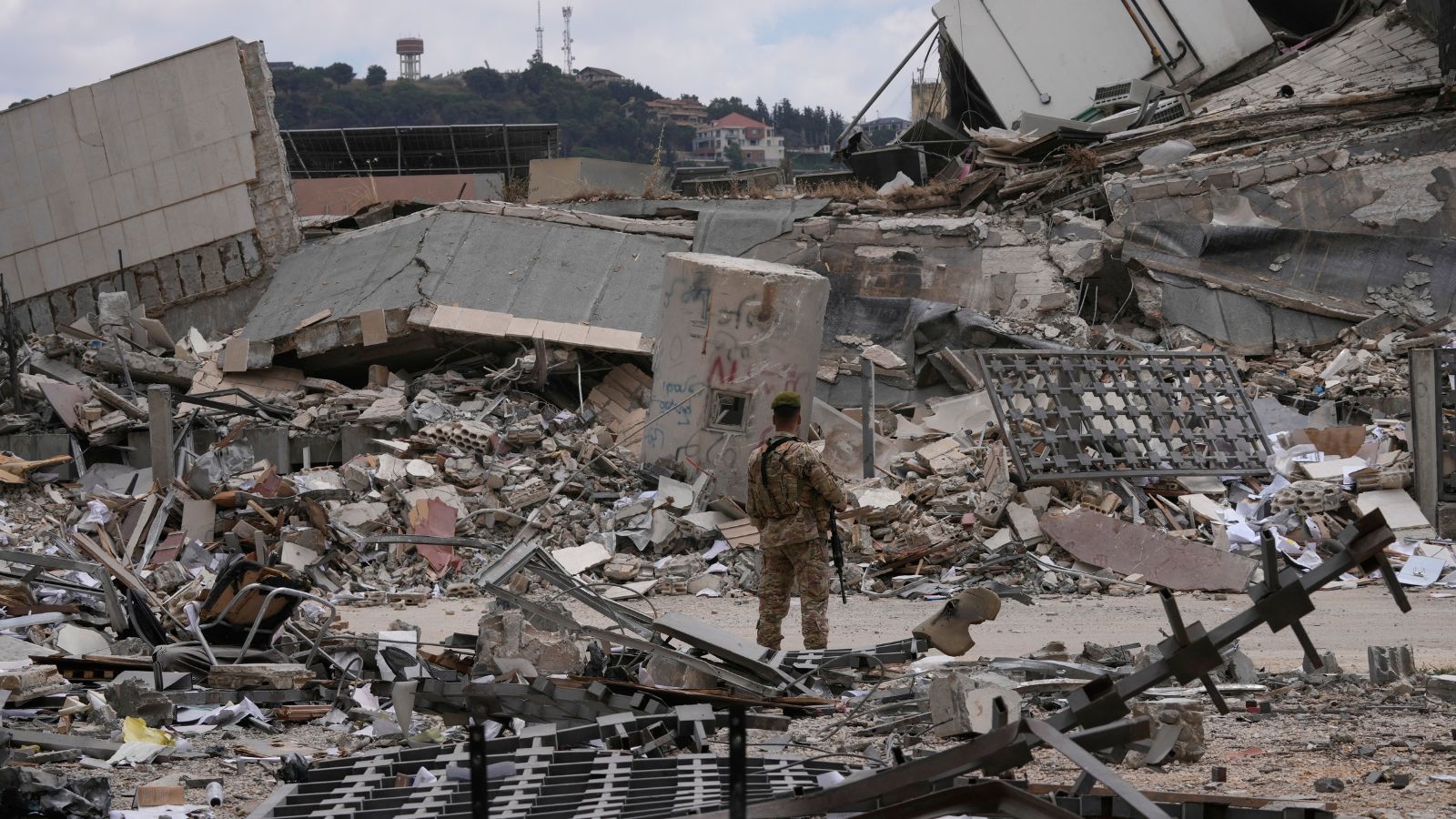
The destruction of medical infrastructure in Ukraine isn't accidental. The Ukrainian Ministry of Health has reported staggering losses since the beginning of the war. More than 250 ambulances have been completely destroyed. Another 103 vehicles have been heavily damaged, and at least 125 have been seized or stolen by occupying forces. Additional information on this are covered by NBC News.
Think about those numbers for a second. That's nearly 500 medical vehicles taken off the grid. When an ambulance is wiped out, it doesn't just mean a loss of property. It means a stabilization point loses its wheels. It means a wounded soldier lies in a trench for three hours instead of thirty minutes. In trauma medicine, that time difference is the exact line between going home to your family and bleeding out in the dirt.
Using standard civilian vehicles for frontline evacuations is no longer viable. These soft-skinned vans are vulnerable to even the smallest pieces of flying metal. A tiny fragment from a mortar shell can puncture an engine block or incapacitate a driver. Furthermore, Russian forces routinely use drones to spot evacuation efforts, turning the traditional red cross symbol into a target rather than a shield. Medics have been forced to paint over the bright markings, using camouflage to hide from eyes in the sky. But camouflage doesn't stop bullets. Only heavy steel plates can do that.
What Public Dollars Are Actually Buying
When you look at the vehicles being delivered through public fundraising platforms like United24, you aren't looking at modified delivery vans with a few steel plates welded onto the sides. You're looking at serious military machinery.
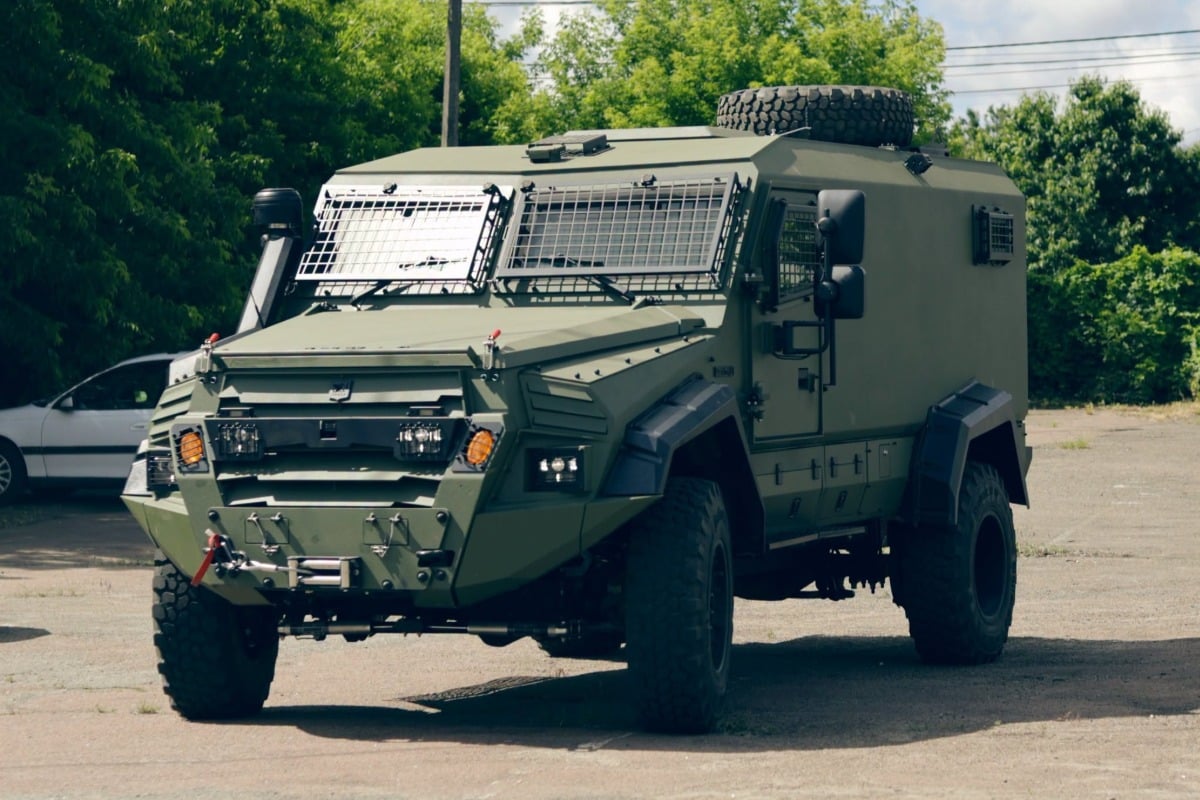
The latest batch of armored ambulances purchased through these international donations was manufactured in Canada. Each vehicle is built to strict NATO ballistic standards, specifically STANAG 4569 Level II. For anyone unfamiliar with military specifications, this means the armor can withstand 7.62mm armor-piercing rounds fired from an assault rifle at close range. It also means the hull can survive the blast of a high-explosive artillery shell fragment exploding nearby, or a anti-personnel mine detonating directly underneath the cabin.
These machines are monsters. They weigh several tons, powered by massive diesel engines designed to drag heavy loads through the thickest, wettest Ukrainian mud. The terrain on the southern and eastern frontlines changes rapidly. During the rainy seasons, roads turn into deep bogs of black soil that swallow standard vehicles whole. If an ambulance gets stuck in a rut during an evacuation, the entire crew becomes sitting ducks. Four-wheel drive systems and high ground clearance are absolute necessities, not luxury features.
The tires on these vehicles are equally sophisticated. They utilize advanced run-flat technology. Inside each tire is a specialized reinforced ring that supports the vehicle's weight even if all air pressure is lost. If shrapnel tears the rubber apart, the ambulance doesn't grind to a halt. It can keep driving at speeds ranging from 50 to 150 kilometers per hour depending on the road conditions and total weight. This design element ensures that a direct hit to the wheels won't strand a medical crew in the middle of an open field under active bombardment. They can finish the rescue, get out of the hot zone, and reach a stabilization point safely.
Inside the Fundraising Campaigns That Bypassed Bureaucracy
Government aid packages are notoriously slow. They require legislative approval, complex bureaucratic sign-offs, and lengthy procurement processes. But the front line doesn't wait for paperwork. Public fundraising campaigns have filled this gap by moving with incredible speed.
The United24 platform, established by Ukrainian authorities as a direct window for global donations, has been the primary engine behind these armored ambulance purchases. The initiative managed to secure a massive order of 13 custom-built Canadian armored ambulances at a total cost of roughly 124 million Ukrainian Hryvnia. Every single cent of that money came from individual donations, corporate sponsors, and grassroots community drives spanning over 110 different countries.
High-profile figures have used their platforms to supercharge these efforts. High-profile ambassadors like historian Timothy Snyder teamed up with Polish journalist Sławomir Sierakowski to launch targeted drives specifically for armored medevac vehicles. In one staggering three-day sprint, their campaign brought in more than 1.2 million dollars. Another non-profit organization, Help Ukraine Now, injected 113,000 dollars directly into the fund. To keep the momentum going, organizers even organized international raffles featuring symbolic t-shirts, pulling in an additional 1.01 million dollars from everyday people who wanted to contribute something tangible to the survival of frontline doctors.
The beauty of this system lies in its pure transparency. Donors aren't sending money into a black hole of international aid organizations where half the cash gets eaten up by administrative overhead and executive salaries. They can see the direct pipeline from their credit card or crypto wallet to the factory floor in Canada, and ultimately to the medical units operating in the Donetsk or Kharkiv regions.
The Massive Logistic Hurdles of Cross-Border Delivery
Buying the vehicles is only half the battle. Getting a multi-ton convoy of military-grade armored ambulances across international borders and into an active war zone is a massive logistical headache.
The transport chain is long and complicated. It involves coordinating with manufacturers across the ocean, shipping vehicles across the Atlantic, and clearing complex customs regulations in Western Europe. International volunteer networks handle the bulk of this heavy lifting. For instance, campaigns often rely on Polish shipping companies and local logistics firms to haul the vehicles from European ports to the Ukrainian border.
Once the vehicles cross the border into western cities like Lviv, they don't go straight to the front line. They stop at specialized volunteer-run service stations. Mechanics check every single engine component, replace all fluids, and perform rigorous quality control checks. These trucks are going to face extreme wear and tear under constant fire. A loose belt or a faulty alternator could kill a patient three weeks down the line.
After completing mechanical verification, teams of volunteer drivers take the wheel. They drive the heavy trucks hundreds of miles across the country, passing through numerous military checkpoints, straight to the headquarters of specific military units and frontline hospitals. This direct-to-recipient model ensures that the trucks don't sit in central warehouses gathering dust. They go straight into service where the fighting is most intense.
Why Civilian Charity Outperforms Big Institutional Aid
Large international aid organizations have faced significant criticism throughout this conflict. Many traditional global charities have struggled to operate effectively near the line of contact due to strict internal safety protocols and immense bureaucratic inertia. Their workers often aren't allowed to enter high-risk zones, leaving a massive vacuum in the exact places where help is needed most.
Grassroots crowdfunding projects don't have those limitations. They operate with a level of flexibility that massive NGOs simply can't match. When a specific brigade notes that its primary evacuation route is under constant mortar fire and their standard vehicles are useless, a decentralized volunteer network can pivot within hours. They can search for used four-wheel-drive ambulances across Italy, France, or Germany, purchase them using instant online donations, fix them up in Poland, and have them on the ground within weeks.
Consider the approach taken by initiatives like Rinat Akhmetov’s Steel Front or groups like Medical Life Lines Ukraine. Instead of waiting months for a single factory-new vehicle to roll off an assembly line, they often buy 10 or 15 high-quality used ambulances from European hospitals. They upgrade the suspension, add basic protective elements, install internal power generators, and ship them out immediately. It is a practical, volume-driven strategy that prioritizes immediate life-saving capability over corporate perfection.
The Actual Actionable Steps to Keep Medics Alive
If you want to support these frontline medical teams effectively, you need to understand where your resources will have the highest impact. Sending generic medical supplies or random clothing to a central distribution hub is no longer the best way to help. The supply chains have matured, and the needs have become highly specific.
First, focus your financial support exclusively on verified platforms that explicitly target armored evacuation vehicles. Standard medical supplies like tourniquets and bandages are vital, but they mean nothing if the combat medic carrying them gets hit by shrapnel inside an unarmored van. Platforms like United24 offer direct, trackable pipelines for their medical aid category.
Second, look for regional volunteer networks that handle the physical transportation of these vehicles. Organizations like Medical Life Lines Ukraine run regular convoys directly from the UK and Western Europe straight to frontline towns like Kramatorsk, Orikhiv, and cities throughout the Kherson region. These groups constantly need experienced drivers willing to make the long haul across Europe, as well as mechanics who can volunteer their time at staging areas near the Polish-Ukrainian border.
Third, demand absolute transparency from any charity you support. Legitimate operations will provide clear documentation, chassis numbers, and photo or video verification of the exact military units receiving the vehicles. If an organization cannot show you exactly which medical team is driving the truck you helped fund, take your money elsewhere. Every dollar needs to buy steel, rubber, and medical equipment, not administrative padding. The medics risking their lives in the mud don't have time for anything less.