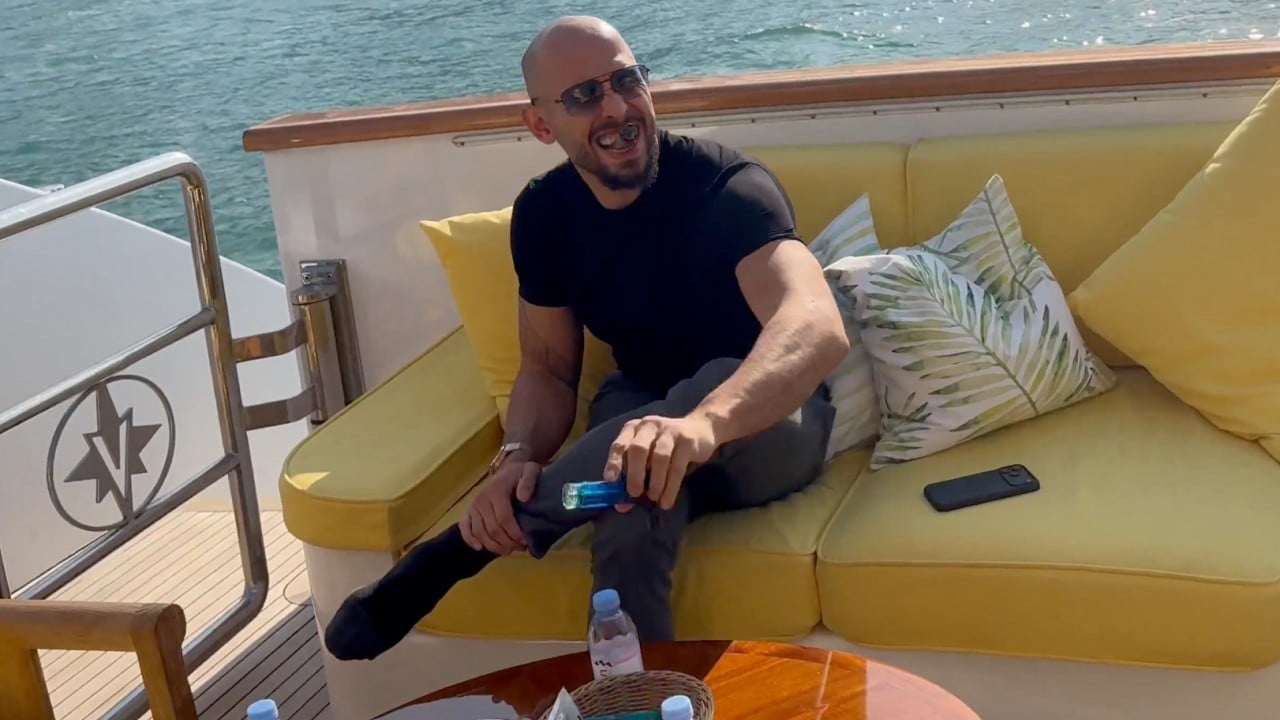
Andrew Tate’s legal drama just hit a major reset button in the UK. If you thought the 2019 closure of the sexual assault case against him was the end of the story, think again. Hertfordshire Constabulary confirmed on March 26, 2026, that they’re officially reopening an investigation into allegations of rape and sexual assault involving the influencer.
We aren't talking about new claims here. These are the same reports made by three women regarding incidents that allegedly happened between 2014 and 2015. For years, these women have argued the police basically ignored them. Now, it looks like the authorities finally agree that something went sideways in the original probe. Meanwhile, you can find related events here: The Cold Truth About Russias Crumbling Power Grid.
The watchdog report that changed everything
This wasn't some random change of heart by the police. The decision follows a scathing move by the Independent Office for Police Conduct (IOPC). Basically, the police watchdog started sniffing around how Hertfordshire handled the case a decade ago.
What they found was enough to trigger gross misconduct proceedings against a former detective constable. Two former detective sergeants are also under the microscope for how they supervised the mess. When the people supposed to catch criminals are being investigated for "failing to properly investigate," you know the case is in trouble. To understand the bigger picture, we recommend the detailed report by USA Today.
Hertfordshire Constabulary’s new stance is pretty blunt. They’ve stated they’re committed to "doing what is right" regardless of how long ago the alleged crimes happened. Honestly, it’s a massive admission of past failure.
Understanding the specific allegations
The details coming out of the court documents are harrowing. We're not just talking about vague "misconduct." The women involved, who are also pursuing a civil case in the High Court set for June 2026, have described a pattern of extreme violence.
- One woman alleges Tate held a gun to her face and told her she’d do as he said or there’d be "hell to pay."
- Another claim involves Tate using a belt to assault a woman and grabbing her by the throat.
- There are descriptions of strangulation during sex and verbal threats that are too graphic for most morning news cycles.
Tate has always called these "gross fabrications" and a "pack of lies." His legal team is currently pushing the narrative that this is a "persecution" based on his fame rather than evidence. They’re leaning hard on the fact that the Crown Prosecution Service (CPS) already looked at this twice—once in 2019 and again in late 2025—and decided not to charge him.
Why this time might be different
You might wonder why a third look matters if the CPS already said "no" twice. The difference now is the IOPC’s involvement. If the watchdog proves the original investigation was botched—meaning evidence was missed, witnesses weren't interviewed, or leads were ignored—the CPS's previous "insufficient evidence" excuse falls apart. You can't have "sufficient evidence" if the police didn't bother to collect it the first time.
Also, don't confuse this with the Bedfordshire Police case. That’s a completely separate set of charges involving rape and human trafficking from 2012–2015. In that case, the CPS has already authorized 21 charges against Andrew and his brother Tristan.
The messy extradition timeline
Tate is currently stuck in Romania, and he isn't coming back to the UK anytime soon. Even though there's a European Arrest Warrant out for him from the Bedfordshire case, the UK has to wait in line.
- Romanian Trials: He has to finish his legal battles in Bucharest first, which involve allegations of trafficking minors and money laundering.
- Extradition: Only after those cases are settled—which could take years—will he be handed over to British authorities.
- UK Criminal Proceedings: Once he’s on British soil, he’ll face the 21 charges from Bedfordshire and potentially new charges from this reopened Hertfordshire probe.
The civil trial in June 2026 will likely be the first time we see these specific Hertfordshire allegations tested in a courtroom. Unlike a criminal trial, a civil case only needs to prove things on the "balance of probabilities" (is it more likely than not?) rather than "beyond a reasonable doubt."
If you're following this, keep a close eye on the IOPC misconduct hearings. If those officers are found guilty of failing the victims, the pressure on the CPS to reverse their "no charge" decision will become a political and legal hurricane. For now, the best move is to watch the High Court filings in June; that's where the real evidence the police allegedly ignored will finally see the light of day.