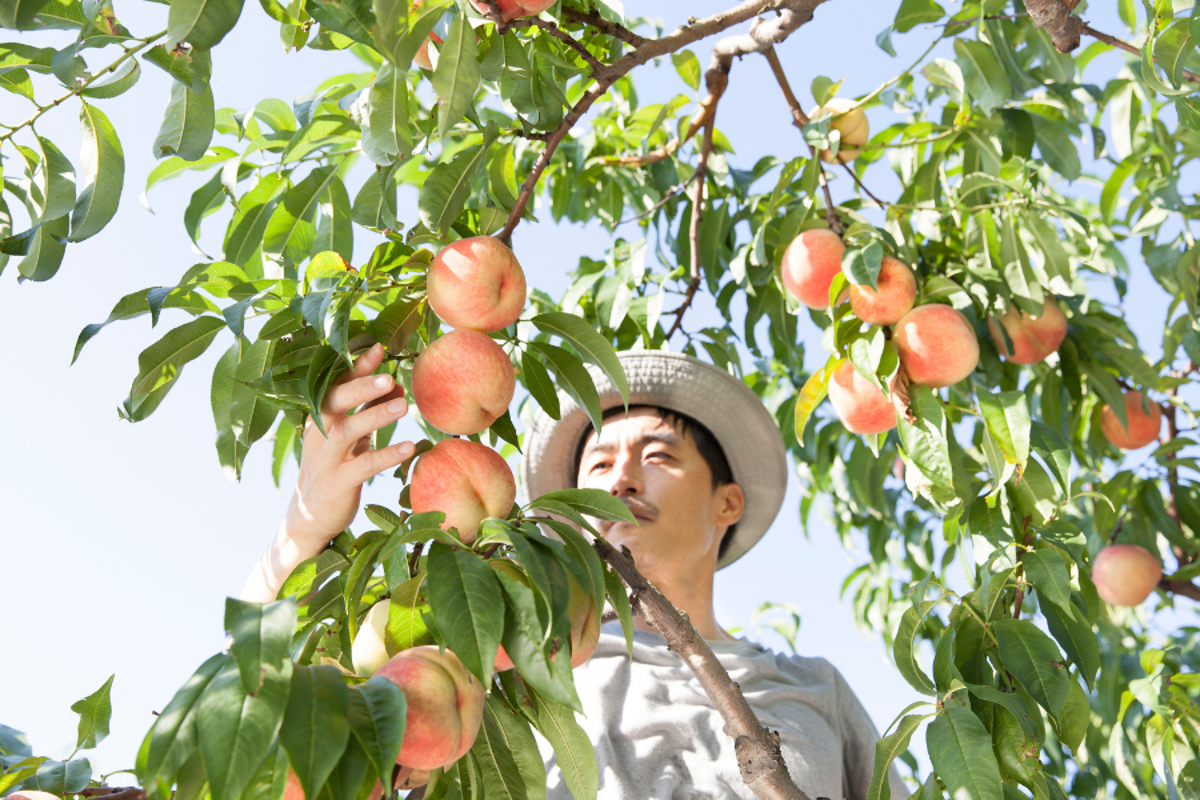
The systemic vulnerability of specialized corporate agriculture is laid bare when a single downstream processor collapses, vaporizing decades of upstream capital investments instantly. The permanent closure of Del Monte Foods’ processing facilities in Modesto and Hughson, California—following its $1.2 billion Chapter 11 bankruptcy filing—illustrates this structural weakness.
By terminating long-term supply contracts valued at an estimated $550 million, this single corporate failure forced Central Valley growers to liquidate approximately 420,000 clingstone peach trees across 3,000 acres. This crisis is not an isolated supply chain hiccup. It represents the structural failure of an agricultural monopsony, where highly specialized producers are tethered to an inflexible, debt-leveraged processing bottleneck. You might also find this similar story insightful: Why Free Trade Agreements Matter Less Than We Think.
The Clingstone Bottleneck: Inelastic Supply vs. Monopsonistic Demand
Understanding this economic destruction requires distinguishing between the fresh fruit market and the processing-dependent agricultural supply chain. The agricultural sector divides peaches into two primary botanical and commercial classifications: freestone and clingstone.
- Freestone Peaches: Possess flesh that separates easily from the pit. They are cultivated for the fresh produce market, shipped directly to grocery networks, and feature high demand elasticity based on immediate seasonal pricing.
- Clingstone Peaches: Possess flesh that adheres tenaciously to the pit. They are structurally engineered to retain firm cellular integrity under the intense thermal and mechanical stresses of industrial canning.
Because of this physical toughness, raw clingstone peaches are virtually unmarketable as fresh table fruit. Their economic value is entirely contingent upon immediate processing. As discussed in recent coverage by The Wall Street Journal, the effects are significant.
This biological reality creates a highly asymmetric supply chain. Growers must make long-term capital commitments because a peach orchard requires three to five years to reach commercial bearing maturity and remains productive for up to twenty years.
To mitigate the extreme risk of planting a crop with zero fresh-market liquidity, growers historically relied on 20-year bilateral supply contracts with localized canneries. When Del Monte shuttered its regional footprint, it removed over 30 percent of California's total canned peach processing capacity.
The upstream consequences of this processor shutdown follow a strict cause-and-effect sequence:
[Del Monte Cannery Shuttering]
               │
               ▼
[Exclusion of Alternative Industrial Buyers]
               │
               ▼
[Perishable Surplus of 50,000 Tons]
               │
               ▼
[Destruction of 420,000 Trees to Prevent Liability]
A secondary processor, Pacific Coast Producers, absorbed roughly 24,000 tons of the stranded volume via short-term agreements. However, this left a net surplus of 50,000 tons entirely detached from any industrial buyer.
Because the fruit cannot be diverted to fresh retail, or easily transported to distant processing hubs before spoilage occurs, the standing orchards shifted from productive assets to net liabilities.
The Cost Function of Orchard Liquidation
Faced with a 50,000-ton unmarketable surplus, growers cannot simply abandon the trees to rot in place. Unmanaged orchards present severe biological and financial hazards. Standing, unharvested fruit triggers massive pest infestations, such as the oriental fruit moth, and fosters fungal pathogens like brown rot. These threats easily cross property lines to compromise adjacent, viable crops.
The maintenance costs—including irrigation, pest control, and property taxes—continue to accumulate even when there is no revenue. The cost function of maintaining a non-revenue-generating orchard forces growers to pursue immediate liquidation.
To prevent an estimated $30 million in cascading operational losses, a $9 million federal aid package was deployed via the United States Department of Agriculture. This funding is dedicated exclusively to subsidized tree removal, liquidating the 420,000 trees before the harvest cycle begins.
The mechanics of this orchard destruction program operate on explicit financial parameters:
$$\text{Federal Subsidy Efficiency} = \frac{\text{Total Projected Farm Loss Prevented}}{\text{Federal Aid Allocated}} = \frac{$30,000,000}{$9,000,000} = 3.33$$
For every dollar of public capital spent to accelerate orchard clearing, the agricultural ecosystem prevents $3.33 in compounding losses. This intervention limits broader systemic collapse but permanently erases the long-term revenue potential of those acres.
Capital Scarcity and the Crop Transition Bottleneck
The destruction of the orchards uncovers a deeper strategic dilemma: the friction of agricultural capital reallocation. Growers cannot easily pivot their cleared land to alternative high-value crops like almonds, walnuts, or prunes. The primary limitation to crop substitution is the compounding effect of capital destruction and lengthy cash-flow valleys.
Orchard Establishment Deficit
When a 20-year contract is broken, the farmer loses the projected trailing revenue needed to fund future capital expenditures. Clearing an orchard costs significant capital per acre in heavy machinery, labor, and debris management.
The Cash-Flow Valley
Planting a replacement crop like almonds requires an intense initial capital injection for saplings, modified drip irrigation infrastructure, and specialized harvesting equipment. Crucially, these nut crops require five to seven years of non-productive growth before reaching commercial scale.
| Crop Metric | Clingstone Peach (Stranded) | Almond (Alternative Pivot) |
|---|---|---|
| Primary Market Destination | Industrial Cannery Only | Global Raw/Processed Retail |
| Time to Commercial Yield | 3 to 5 Years | 5 to 7 Years |
| Supply Chain Elasticity | Extreme Rigidity (Monopsony) | Moderate to High Liquidity |
| Capital Investment Horizon | 20-Year Contract Reliance | Open-Market Spot & Forward Pricing |
The structural bottleneck is not a lack of agricultural knowledge. It is a profound cash-flow gap.
Growers must service existing land debt and pay for new capital deployments while enduring half a decade of zero revenue on those cleared acres. The current macroeconomic climate of elevated interest rates makes financing this multi-year transition cost-prohibitive for family-owned, multi-generational operations.
The Macro Factor: Private Equity and Changing Consumer Habits
The downfall of Del Monte Foods highlights a dual-axis failure caused by broader macroeconomic pressures and shifting consumer demand.
The first axis is structural debt. Del Monte’s operational collapse was accelerated by a heavily leveraged corporate capital structure, engineered by a history of private equity ownership and successive corporate acquisitions. This left the firm with over $1.2 billion in debt.
When inflation drove up industrial input costs—such as sheet metal for cans, energy for thermal processing, and logistics—the company could no longer cover its fixed debt obligations using its squeezed operating margins.
The second axis is a long-term decline in consumer demand for canned fruits. Over the past two decades, consumer preferences have steadily shifted toward fresh, organic, or flash-frozen produce. This structural shift has steadily eroded the market share of sugar-syrup-preserved canned goods.
This demand drop created an unsustainable divergence: production costs rose sharply while consumer willingness to pay a premium for legacy canned brands steadily diminished. Cheap private-label store brands further eroded Del Monte's market share, rendering its massive, centralized canning infrastructure economically unviable.
Strategic Reconfigurations for Agricultural Producers
Relying on long-term, single-buyer contracts for highly specialized crops leaves growers acutely vulnerable to downstream corporate failures. To survive in this environment, agricultural producers must systematically restructure their operational risk profiles.
Aggressively Diversify Crop Porfolios
Growers must deliberately move away from monoculture systems. Allocating land across a mix of annual crops and permanent orchards with staggered maturity profiles ensures that a structural collapse in one market segment cannot wipe out the farm's entire revenue base.
Mandate Structural Safety Clauses in Contracts
Future long-term agreements must include volume-reduction penalties, escrow-backed termination fees, or cross-default protections. These mechanisms ensure that if a processor goes through a bankruptcy restructuring, the growers hold secured-creditor status or receive immediate cash compensation.
Build Co-Operative De-Centralized Processing Networks
To break the power of corporate monopsonies, growers should invest in regional, producer-owned cooperative processing facilities. By owning the mid-stream infrastructure—such as flash-freezing, dehydrating, or pureeing assets—growers can pivot raw agricultural output into multiple, shelf-stable industrial ingredients, bypassing the single-buyer canning bottleneck entirely.