The United States military isn't holding back anymore in the Gulf of Oman, and international merchant sailors are paying the price.
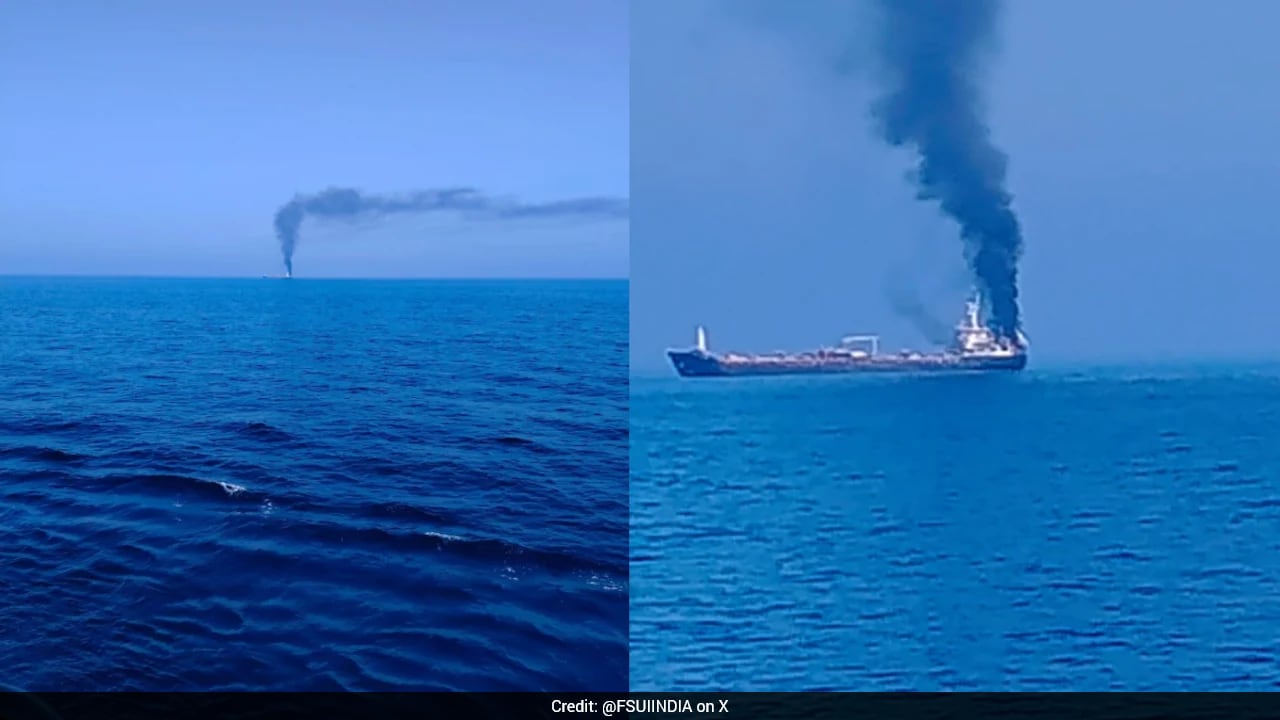
On June 11, 2026, US Central Command confirmed its aircraft dropped two Hellfire missiles directly into the engine room of the Guinea-Bissau-flagged oil tanker MT Jalveer. The reason? The US claims the ship was smuggling Iranian crude oil and repeatedly ignored orders to halt. While all 20 Indian crew members on the Jalveer were successfully evacuated to Oman's Shinas port, the strike marks a terrifying escalation. It is the third time in just four days that American forces have fired precision munitions at a commercial ship manned by Indian seafarers.
This isn't an isolated scuffle. It's a full-blown crisis for global shipping. The escalation has shattered the quiet diplomatic understanding between Washington and New Delhi, forcing India to take its toughest diplomatic stand against the US in years.
The Strategy Behind Blasting Engine Rooms
When you think of a naval blockade, you probably picture warships turning vessels around or staging dramatic boarding parties. The current US strategy around the Strait of Hormuz is far more aggressive. Since launching a strict maritime blockade on April 13 to choke off Iranian energy exports, the US Navy has resorted to kinetic strikes to disable non-compliant ships.
Targeting the engine room with precision-guided AGM-114 Hellfire missiles is a deliberate tactical choice. The goal isn't to sink the tankers, which would cause catastrophic environmental disasters in vital fishing and trading waters. Instead, hitting the engine room instantly kills the vessel's propulsion, turning a massive oil tanker into a sitting duck.
CENTCOM claims its forces have redirected 135 ships that obeyed orders and allowed 42 humanitarian vessels through since April. However, they've also disabled nine ships that refused to stop. The MT Jalveer is just the latest casualty of this zero-tolerance enforcement.
Three Attacks in Four Days
To understand why New Delhi is furious, you have to look at the timeline. Indian mariners are basically being used as human shields by foreign ship managers operating in gray-market energy corridors.
- June 8 (MT Marivex): The Palau-flagged tanker was targeted by US forces south of the Strait of Hormuz. A fire broke out on board, but thankfully, all 24 Indian crew members were rescued safely. The ship was already blacklisted by the US Office of Foreign Assets Control.
- June 9 (MT Settebello): This is where the situation turned fatal. Another Palau-flagged tanker was hit by US precision weapons. Three Indian sailors—Aditya Sharma, Shivanand Chaurasiya, and Patnala Suresh—were killed in the blast. The rest of the 21 Indian crew were pulled from the wreckage.
- June 11 (MT Jalveer): The Guinea-Bissau-flagged tanker took two Hellfires to the engine room. All 20 Indian crew members survived, rescued with help from the Royal Navy of Oman.
The tragedy of the MT Settebello has sparked an ugly dispute. The Dubai-based manager of the ship, IOS Marine FZE, publicly slammed the US Navy, demanding an international investigation. They claim the vessel had absolutely no connection to Iranian oil, was engaged in legal trade, and had been sitting stationary for ten days before getting blasted without warning. CENTCOM maintains the ship was running Iranian oil and ignored multiple radio commands.
India's Diplomatic Break with Washington
For a long time, India and the US have shared a tight strategic bond, especially regarding maritime security in the Indo-Pacific. But the death of civilian mariners changes everything. India's Ministry of External Affairs didn't mince words, calling the string of attacks "deeply worrisome."
External Affairs Ministry spokesperson Randhir Jaiswal pointed out a critical detail: these aren't Indian-owned ships. They are foreign-flagged vessels. But because India provides over 18,000 seafarers to the Gulf region alone, its citizens are the ones in the line of fire.
In a rare and aggressive move, New Delhi summoned US Charge d'Affaires Jason Meeks to lodge a fierce protest over the Settebello casualties. It's the strongest diplomatic pushback India has directed toward Washington in years. India is demanding an immediate halt to attacks on commercial shipping, arguing that international waterways must remain free and open under international law.
The Reality for Crews Caught in the Crossfire
If you're an ordinary merchant mariner, you don't get a say in where the ship owner buys cargo or what flag the vessel flies. You go where the contract takes you. Right now, working a commercial run through the Gulf of Oman means risking a missile strike.
The US military has made it clear that its blockade is being enforced impartially against all nations entering or leaving Iranian ports. They don't care who is steering the ship or cooking in the galley; if the ship doesn't stop, the missiles fly.
If you or a family member are currently working on commercial vessels operating near West Asia, here are the vital steps to navigate this high-risk environment:
- Demand Transparency on Cargo and Sanctions: Before signing onto a vessel or entering the Gulf, crews should pressure their unions and manning agencies to verify whether the ship is on the US OFAC sanctions list or carrying cargo from restricted ports.
- Stay Glued to the Radio: US CENTCOM relies on hailing ships via international maritime radio frequencies before taking action. Crews cannot afford to miss or ignore these warnings, regardless of conflicting orders from the ship's captain or owners.
- Maintain Close Contact with the Embassy: Ensure your deployment details are registered with the Directorate General of Shipping in India and keep emergency contact numbers for the Indian Embassies in Muscat and Dubai on hand.