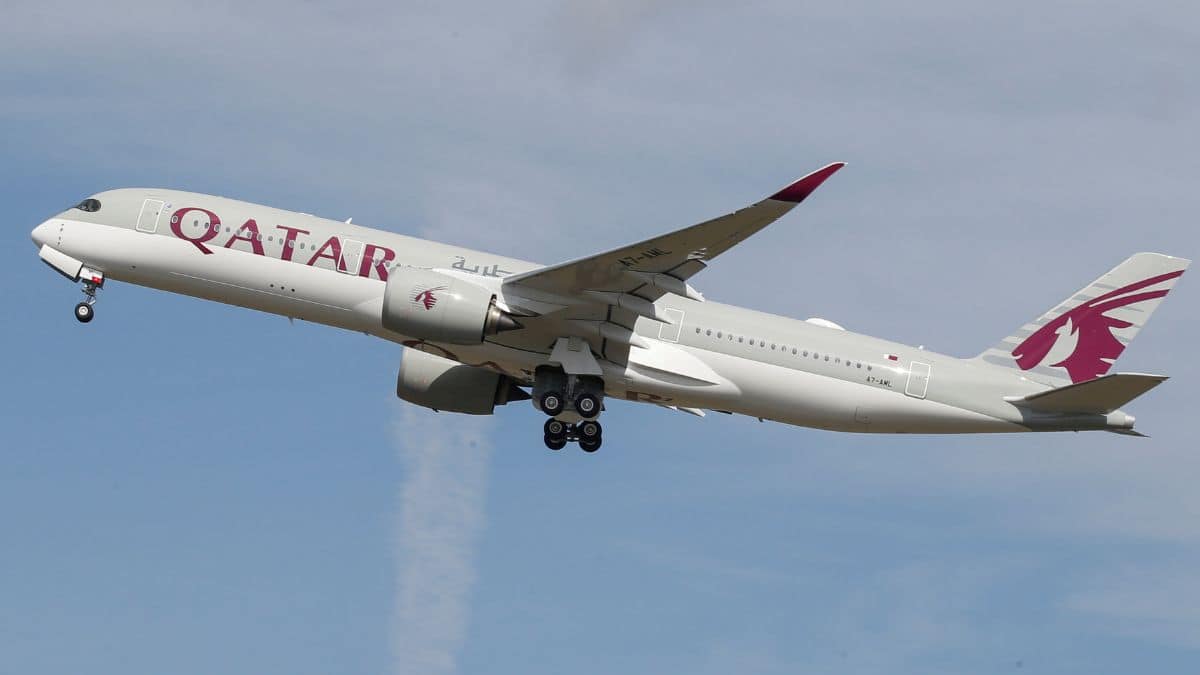
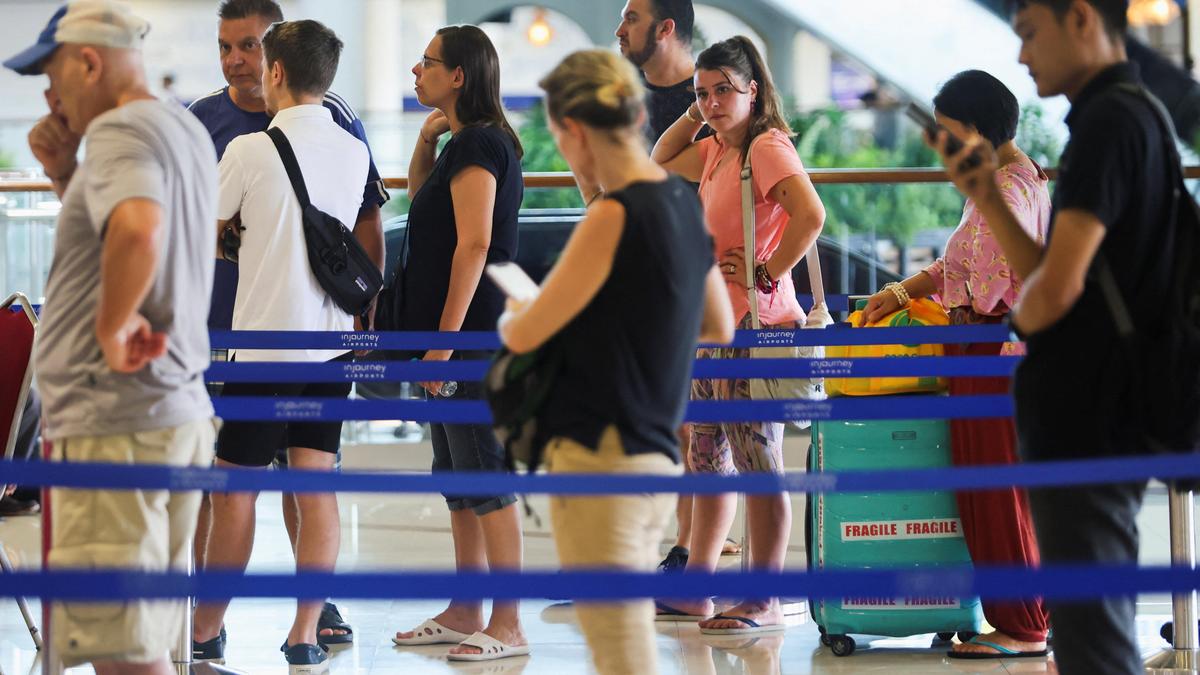
Getting a notification that your flight is cancelled is always a headache. When it happens because of geopolitical tension halfway across the world, it feels even more frustrating. You’re left wondering why a conflict in one region suddenly grounds a jet heading from Delhi to Chicago. It makes sense to be annoyed. You just want to get to your destination.
The reality is that aviation safety operates on an incredibly tight margin of error. When the tension between the United States and Iran escalated, airlines didn't just decide to cancel flights on a whim. They were acting on data, risk assessments, and, often, strict mandates from civil aviation authorities. When a country closes its airspace or when international agencies issue warnings about specific flight corridors, airlines like Air India have two choices. They can either fly through potentially dangerous zones or they can cancel the flights entirely.
The logic behind the cancellations
Commercial aircraft are not designed to be combat participants. They are pressurized tubes filled with passengers and fuel. When regional conflicts heat up, the primary risk isn't just a stray missile. It is a communication failure. Misidentification is the real danger. History shows us exactly how commercial jets can be tragically misidentified as military targets during times of extreme stress.
Airlines receive constant updates from national safety agencies. The Federal Aviation Administration in the US, or the European Union Aviation Safety Agency, might issue a Notam, which stands for a Notice to Airmen. These notices provide real-time information about restricted airspace or hazardous conditions. If a flight path goes over a region where these agencies advise extreme caution, the airline must weigh the liability.
Operating over high-conflict zones requires specialized military-grade security intel that standard commercial pilots simply do not have. Even if a pilot is experienced, flying through a region where air defense systems are on high alert is a massive gamble. Most airlines prefer to lose the revenue from a cancelled flight rather than risk the safety of everyone on board.
Why longer routes are not always the answer
You might think that airlines could just fly around the danger zones. In many cases, that is exactly what they do. You have likely noticed that flights to the US or Europe sometimes take much longer than the map suggests they should. That is the result of strategic re-routing.
However, there is a physical limit to this strategy. A Boeing 777 or an Airbus A350 has a maximum range. It burns fuel at a specific rate. If you force a plane to take a significantly longer detour to avoid a conflict zone, you are changing the math of the flight.
- Fuel weight increases.
- The plane might need to stop for refueling.
- Crew duty hours might be exceeded.
When a flight path becomes too long, the plane literally cannot make the trip without landing somewhere else to refuel. If the airline doesn't have the logistical support at that stop, or if the crew is legally required to take a rest break, the entire flight chain breaks down. This is when cancellations become unavoidable. It isn't just about the path; it's about the physics and the law.
The burden of passenger rights
When your flight gets cancelled due to a geopolitical event, it is often considered an "extraordinary circumstance." This is a legal term that airlines love. It usually means they aren't required to pay you the same level of compensation they would if the cancellation was due to a technical maintenance issue within their control.
That feels unfair to passengers who just want their travel plans kept intact. I have been in this spot myself. You are standing at the gate, your phone is dying, and the agent behind the counter is giving you a script. It’s infuriating.
Despite the "extraordinary" label, you still have rights. Most airlines will offer you the next available flight. You need to be proactive here. Do not wait for them to call you. Use their mobile app or website to rebook yourself as soon as you get the cancellation notification. If you wait in the physical line at the airport, you are competing with hundreds of other people for the same handful of seats.
Dealing with the reality of international travel
If you are a frequent traveler, you need to accept that regional instability is a permanent part of the flying landscape. We are living in a time where global tensions can shift in hours. The days of perfectly predictable flight paths are largely behind us.
When you book long-haul flights, particularly on routes that cross the Middle East or Eastern Europe, keep a few things in mind to make your life easier:
- Purchase travel insurance that explicitly covers trip interruption due to political instability. Not all policies do.
- Monitor your airline's status page constantly. If there is rumbling in the news about a conflict, start checking alternate routes.
- Be ready to pivot. Have a backup plan for what you will do if you get stranded for 24 hours.
What you should do when the worst happens
The moment you see that your flight is cancelled, your priority is to secure a new seat. Airline systems are global and automated. The first few people to hit the rebook button in the app get the seats on the next flight. Everyone else gets put on a standby list that might be days long.
If you are already at the airport, use the app while you are walking toward the service desk. Sometimes you can fix the issue on your phone before you even reach the counter. If the desk is crowded, check if the airline has a dedicated customer service number or a social media team that handles urgent rebookings.
Do not get angry at the gate staff. I know it’s hard, but they are just as overwhelmed as you are. They don't control the air corridors. They are working with the same computer system you are. If you remain calm and polite, they are much more likely to help you find a creative solution or put you on a partner airline.
Stop expecting the airlines to provide a perfect service in an imperfect world. The safety protocols exist for a reason. You might be frustrated by a 12-hour delay or a cancelled vacation, but the alternative is simply not worth the risk. Pack your patience, stay on top of your bookings, and accept that flying in 2026 means sometimes being at the mercy of factors you cannot control.
Keep your documents organized. Keep your laptop charged. Keep your expectations grounded. If your flight is affected, get your new boarding pass, find a comfortable spot to wait, and move on. The plane will get you there when it’s safe to fly. That is the only promise that really matters.