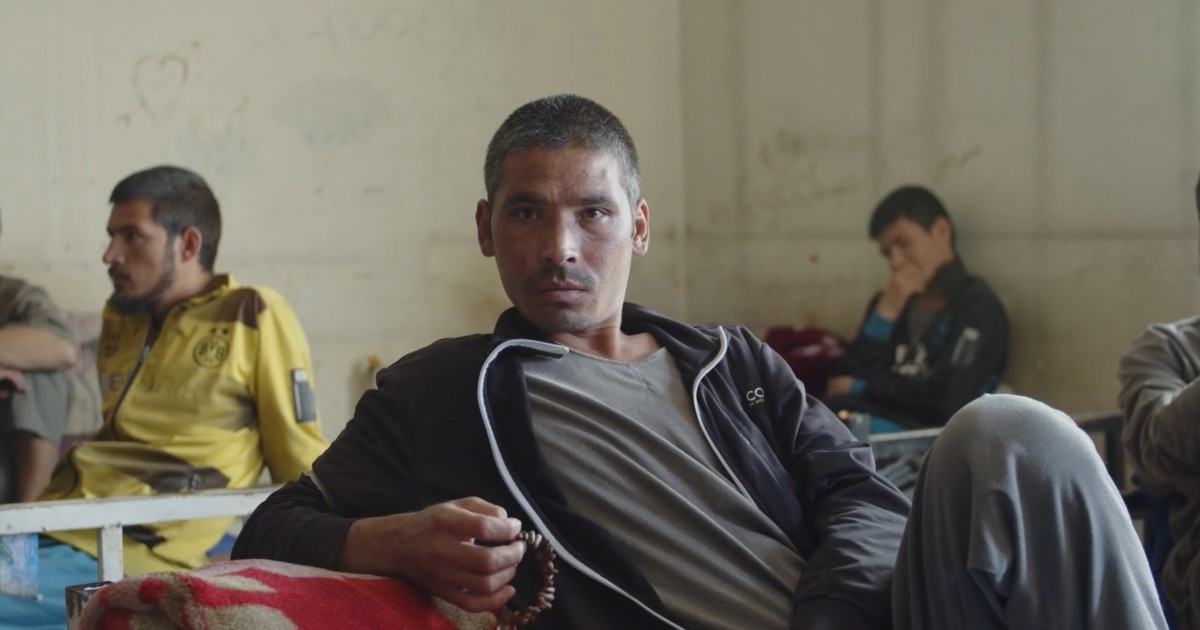
The border between Afghanistan and Pakistan has always been a tinderbox, but the latest accusations from Kabul have turned the heat up to a dangerous level. Afghan officials recently claimed that Pakistani aircraft crossed into their airspace to target a drug rehabilitation center. If you've been following the deteriorating relationship between these two neighbors, this isn't just another border skirmish. It’s a sign that the "brotherly" ties once touted by both sides have completely evaporated.
Pakistan hasn't officially confirmed the strike in the way Kabul describes it, but the tension is undeniable. We're looking at a situation where a facility meant for healing—treating some of the most vulnerable people in a country ravaged by decades of war—has become a flashpoint for international conflict. This isn't just about a single building. It’s about sovereignty, the failed promises of counter-terrorism, and a massive humanitarian crisis that nobody seems to want to fix.
What actually happened in the border province
The reports coming out of the region indicate that the strike hit a facility in a sensitive border area. For the Taliban-led government in Afghanistan, this is a clear violation of territorial integrity. They’ve been vocal about it, using their state-controlled media to broadcast images of the damage. They want the world to see Pakistan as the aggressor.
On the other side, Pakistan has grown increasingly frustrated with what it calls "cross-border terrorism." Islamabad has repeatedly warned that militants, specifically the Tehrik-i-Taliban Pakistan (TTP), are using Afghan soil as a base to launch attacks against Pakistani police and soldiers. When you look at the geography, these drug rehab centers are often located in remote areas. Pakistan might argue they aren't hitting clinics, but targeting hideouts. Kabul says otherwise.
The reality is likely buried somewhere in the middle of a very dusty, very bloody intelligence report. But for the patients in that rehab center, the "why" doesn't matter as much as the "what." They're caught in the middle of a geopolitical grudge match that's getting more violent by the month.
The drug crisis the world forgot
You can't talk about a rehab center strike without talking about the staggering scale of addiction in Afghanistan. Decades of conflict and poverty have turned the country into one of the most drug-dependent nations on earth. Methamphetamine and opium use are rampant. Since taking power, the Taliban has made "clearing the streets" of addicts a priority.
These rehab centers are often makeshift. They aren't the high-end recovery retreats you see in Malibu. They're austere, overcrowded, and underfunded. When a site like this gets caught in a military operation, the humanitarian cost is massive. We're talking about people who are already at their lowest point now facing aerial bombardment.
The Taliban’s approach to drugs has been a bit of a contradiction. They’ve banned poppy cultivation—which has actually been somewhat effective according to satellite imagery—but they’ve also struggled to provide any sort of social safety net for the millions of people whose livelihoods depended on it. Attacking the infrastructure meant to deal with the fallout of this crisis only makes a desperate situation worse.
Why Pakistan is losing its patience
Pakistan used to be the Taliban’s biggest supporter. That’s no secret. But since the 2021 takeover in Kabul, the relationship has soured faster than anyone expected. The TTP has ramped up its campaign inside Pakistan, and Islamabad is convinced the Afghan Taliban is giving them a free pass.
If Pakistan did carry out this strike, it’s a message. It’s a way of saying, "If you won't secure your borders, we will." We've seen similar patterns in other parts of the world—Turkey in Northern Iraq or Israel in Lebanon. Countries feel justified in "hot pursuit" or "pre-emptive strikes" when they think their national security is at risk.
The problem is that these strikes rarely stay "surgical." They hit civilians. They hit clinics. They hit the wrong houses. And every time a bomb drops, it gives the Taliban more rhetorical ammunition to use against Pakistan on the global stage.
The failure of regional diplomacy
So, where are the mediators? China, Russia, and Iran all have a stake in this, yet nobody is making much headway. The border remains a mess. The "Durand Line"—the colonial-era border that Afghanistan has never truly recognized—is the root of the problem. Pakistan is trying to fence it; the Taliban is tearing the fences down.
This isn't just a spat between two governments. It's a fundamental disagreement over where one country ends and the other begins. When you add high-stakes military hardware like jets and drones into that mix, you get tragedies like the rehab center incident.
Key tensions driving the conflict
- The TTP Factor: Pakistan wants the TTP handed over or expelled. The Taliban says they aren't there.
- Border Fencing: The physical barrier Pakistan is building is a constant source of violent friction.
- Refugee Deportations: Pakistan has been pushing hundreds of thousands of Afghans back across the border, citing security concerns.
- Economic Pressure: Trade routes are frequently closed as a form of political leverage.
The human cost of the blame game
While the generals and politicians trade accusations, the people living in provinces like Khost, Kunar, and Nangarhar are the ones living in fear. Imagine being a family member of someone in that rehab center. You sent them there to get better, to escape a life of addiction, and instead, they're suddenly in a war zone.
The international community is mostly silent. Why? Because neither side is particularly popular right now. The Taliban is a pariah state due to its human rights record, especially concerning women. Pakistan is dealing with its own internal political chaos and a crushing economic crisis. When two "troubled" states clash, the rest of the world tends to just look away and hope it doesn't spill over too far.
That’s a mistake. This border is one of the most dangerous strips of land on the planet. If the skirmishes turn into a full-scale border war, the refugee crisis will dwarf anything we've seen recently.
Moving beyond the headlines
It's easy to read a headline about an air strike and move on. But you have to look at the ripple effects. Every strike like this hardens the hearts of the next generation. It makes the Taliban more insular and Pakistan more aggressive.
If you're looking for a solution, it isn't going to come from a drone. It has to come from a real, verifiable agreement on security. Pakistan needs to see the Taliban take action against militants, and the Taliban needs Pakistan to respect its borders and stop the forced deportations that are breaking families apart.
Honestly, it feels like we’re a long way from that. For now, the best thing you can do is keep an eye on the independent reports coming out of the border regions. Don't just take the state-run media’s word for it—on either side. Look for the humanitarian organizations that are actually on the ground, trying to rebuild what these strikes tear down.
Stay informed by following updates from groups like the Norwegian Refugee Council or the International Crisis Group. They often provide the nuance that gets lost in the "he-said, she-said" of international news. Support the NGOs that still operate in Afghanistan despite the impossible conditions. They are the only ones left doing the work that matters.