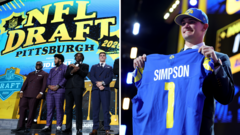
The 2026 NFL Draft functioned as a radical departure from the modern "positional value" orthodoxy. While the previous decade prioritized passing-down efficiency (QBs, WRs, and edge rushers), the 2026 cycle was defined by a massive correction toward the line of scrimmage and a shocking revaluation of the running back position. This was not merely a collection of picks, but a market-wide shift in how front offices calculate the cost of physical scarcity versus athletic ceiling.
The Trenches Market Correction
A fundamental bottleneck in the NFL remains the scarcity of "Day 1" ready offensive tackles. The first round saw nine offensive linemen selected, accounting for 28.1% of the total Round 1 capital. This represents the Scarcity Premium—teams like the New York Giants (Francis Mauigoa at No. 10) and Cleveland Browns (Spencer Fano at No. 9) prioritized high-floor protection over low-probability playmakers.
The mechanism here is simple: as defensive line rotations become more specialized and athletic, the relative value of a league-average tackle increases exponentially. The Miami Dolphins taking Kadyn Proctor at No. 12 suggests a strategic pivot toward protecting a high-investment quarterback room, even at the expense of defensive depth.
The RB Premium and the Notre Dame Variable
The most significant anomaly of the 2026 draft was the Arizona Cardinals’ selection of Jeremiyah Love at No. 3 overall. Convention dictates that running backs should not be drafted in the top 10 due to short career durations and high replacement availability. However, the Cardinals’ decision reflects a Total Offensive Impact framework.
- Explosiveness Metric: Love recorded 22 runs of 20+ yards over his final two collegiate seasons.
- Tactical Gravity: By selecting a runner with this profile at No. 3, Arizona is betting that the presence of an elite threat in the backfield will artificially lower the defensive coverage shells, creating a higher Expected Points Added (EPA) for their passing game than a WR2 would provide.
- The Price Corollary: Seattle drafting Jadarian Price at No. 32 to replace Kenneth Walker III further reinforces the 2026 trend: teams are no longer waiting for mid-round value at RB if the prospect provides "three-down" utility.
Strategic Divergence in Quarterback Management
The quarterback market in 2026 split into two distinct schools of thought: the Successor Continuity Model and the Immediate Asset Model.
The Las Vegas Raiders followed the Immediate Asset Model by taking Fernando Mendoza at No. 1. This was a low-variance move backed by minority owner Tom Brady. Mendoza’s profile—high-level processing and national championship pedigree—is designed to stabilize a franchise that has lacked a statistical anchor.
Conversely, the Los Angeles Rams executed the most debated move of the night by selecting Ty Simpson at No. 13. With Matthew Stafford still productive but aging, the Rams paid a Continuity Tax.
The Successor Cost Function
Simpson’s value to the Rams is not his Year 1 production, but the mitigation of "Quarterback Purgatory." By using a mid-first-round pick while Stafford is still active, the Rams are effectively purchasing an insurance policy against a total roster collapse once Stafford retires. The trade-off is the immediate "lost opportunity cost" of not drafting a defensive starter to help a contending roster win now.
Trade Geometry and Intra-Division Arbitrage
The 2026 draft featured rare intra-division trades that challenged traditional rivalry logic in favor of clinical asset management. The Cowboys-Eagles trade (enabling the Eagles to draft Makai Lemon at No. 20) demonstrates that front offices are increasingly valuing Draft Slot Precision over "denying" a rival a specific player.
- Dallas's Calculation: The Cowboys moved back to No. 23 (taking Malachi Lawrence), likely valuing the additional middle-round capital over the delta between the two prospects.
- Philadelphia's Calculation: The Eagles identified a specific "Successor Replacement" need for A.J. Brown. In their model, the premium paid to a rival was less than the projected drop-off in WR talent available at their original slot.
The Secondary Market: Defensive Pivot Points
While the offense dominated the early headlines, the Kansas City Chiefs utilized the draft to execute a Defensive Efficiency Reset. By selecting CB Mansoor Delane at No. 6 (via Cleveland) and DT Peter Woods at No. 29, the Chiefs addressed both ends of the defensive spectrum—coverage and interior pressure.
This approach acknowledges a critical NFL reality: elite defensive performance is more volatile than elite offensive performance. By constantly injecting high-pedigree talent into the secondary and the interior line, the Chiefs are attempting to maintain a "Top 10" floor for a defense that only needs to be "good enough" to complement their offense.
Strategic Forecast for the 2026 Season
The outcomes of this draft suggest three structural shifts in the upcoming NFL season:
- Increased Rushing Volume: With two RBs in the first round and a massive influx of Round 1 tackles, expect league-wide rushing attempts to tick upward as teams attempt to counter the "light" defensive boxes designed to stop the pass.
- Shortened Rookie QB Leashes: The volume of QBs taken in the first two rounds (including Carson Beck and Drew Allar) creates a surplus of "backup" talent with high ceilings. This will likely lead to mid-season coaching pivots if veteran starters underperform.
- The End of Positionless Defense: The heavy investment in Ohio State linebackers (David Bailey, Arvell Reese, Sonny Styles) in the top 10 indicates a return to specialized, "down-hill" defensive identities to combat the new wave of elite rushing prospects.
The strategic play for competing franchises is to monitor the developmental arc of the 2026 offensive line class. If these nine tackles stabilize their respective units early, the "Value over Replacement" for the remaining veteran free-agent tackles will plummet, creating a secondary market for trade-deadline acquisitions.