At two o'clock in the morning in the Swiss resort town of Bürgenstock, the air carries the sharp, cold clarity of the Alps. Inside the heavily guarded Lake Lucerne resort, a group of tired technical experts and diplomats sit around tables littered with crumpled paper and half-empty coffee cups. They have just spent thirty-six hours trying to dismantle a decades-old economic wall without accidentally triggering a regional explosion.
United States Vice President JD Vance decides it is time to call the International Atomic Energy Agency. He wants to coordinate the immediate return of nuclear inspectors to underground facilities in Iran. He dials the number. The line rings out into the empty night.
Nobody answers.
It is a tiny, human moment of friction in a high-stakes poker game where the chips are measured in millions of barrels of crude oil and the movement of carrier strike groups. While the world watches the grand theater of presidential social media posts and dramatic diplomatic walkouts, the actual machinery of global power is being turned by exhausted people in a time zone that does not sleep.
Consider what happens next when the public posture of a government collides with the gritty reality of a transactional peace deal.
The Art of the Whiplash
A few days ago in Paris, a memorandum of understanding was digitally signed. It was designed to open a sixty-day window for comprehensive negotiations, a brief pause to see if two bitter enemies could find a way to coexist. The terms were stark. The United States Treasury would issue a sixty-day waiver allowing Iran to sell its oil and petrochemical products unimpeded. In return, Tehran would freeze its uranium enrichment and allow international monitors back into its facilities.
Then came the whiplash.
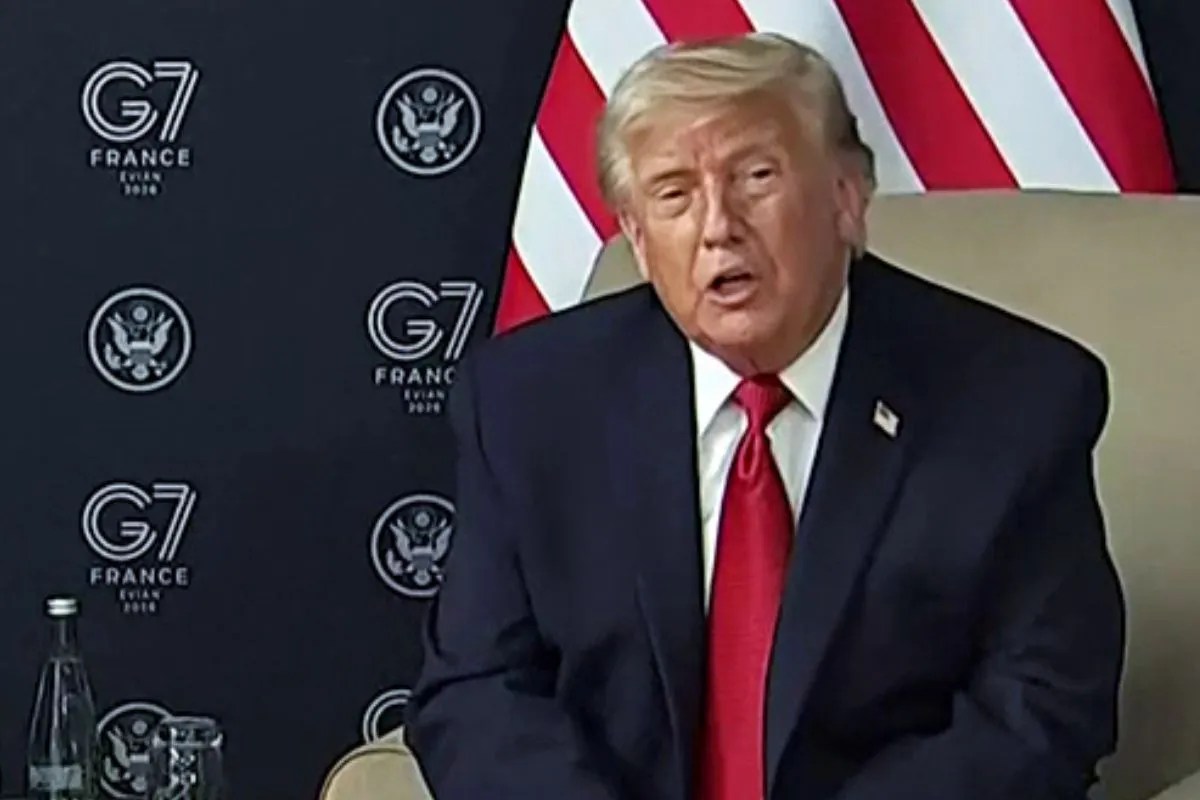
From across the Atlantic, Donald Trump took to social media, warning Iran to rein in its proxies in Lebanon or face military strikes harder than anything they had experienced the week before. He spoke bluntly to reporters, threatening a total American takeover of the Strait of Hormuz shipping channel.
The reaction in Switzerland was instantaneous. The Iranian delegation, led by parliament speaker Mohammad Baqer Qalibaf and Foreign Minister Abbas Araghchi, packed their briefcases and walked out of the room. The state-run Iranian news agency announced the talks had entered a difficult phase due to insulting messages.
To outside observers, it looked like total collapse. But behind the scenes, the mechanics of the deal kept moving. Pakistani and Qatari mediators stepped into the hallway, shuttling between the angry delegations, smoothing over the rhetoric with the quiet language of mutual self-interest.
The Sovereignty of the Dinner Table
To understand why the walkout was temporary, you have to look past the political speeches and focus on the quiet desperation of ordinary lives.
In Tehran, a mother stands in a grocery store, looking at the soaring price of basic goods. Inflation has eaten the value of the rial until currency feels like water sliding through fingers. The Iranian government is not returning to the table out of sudden affection for the West; they are doing it because their economy is suffocating.
The American proposal contains a highly specific mechanism, engineered by Jared Kushner and Qatari officials, that targets this exact pressure point. Under the plan, twenty-four billion dollars in frozen Iranian overseas assets will not be returned as raw cash. Instead, the funds are earmarked to purchase agricultural goods and food directly from American farmers.
Imagine the irony of a revolutionary government using its long-hidden wealth to buy soybeans grown in Ohio and Iowa. It is a transactional peace. It swaps the abstract purity of ideological warfare for the immediate relief of a stabilized food supply.
But the real problem lies elsewhere, far from the mountain air of Switzerland.
The Friction of Certainty
Back in Washington, the backlash is gathering momentum from both sides of the political aisle.
Critics look at the Treasury Department's newly published license, which authorizes all previously prohibited transactions involving Iranian crude oil until August. They see an American surrender. They argue that by lifting the oil blockade up front, the administration has given away its biggest point of leverage before securing a single permanent nuclear concession.
Inside the Republican party, the fracture is deep. Figures like Senator Ted Cruz warn that the president is receiving bad advice, while conservative commentators call the interim deal a capitulation. They point to the fact that Iran’s highly enriched uranium stockpile remains intact, buried under the rubble of recent military strikes, its exact status unverified.
On the other side of the ledger, Israeli officials watch the Swiss talks with growing alarm. They fear that a sudden influx of oil revenue will inevitably find its way to Hezbollah forces in southern Lebanon, strengthening Tehran’s hand just as regional ceasefires are being discussed.
Vance has chosen to become the public face of this gamble. For a vice president skeptical of foreign wars, the defense of this deal is an all-in political bet. If the sixty-day window yields a permanent verifiable framework, he will be credited with averting a catastrophic Middle Eastern conflict. If Iran uses the oil revenue to rebuild its military leverage and then bars the inspectors, he becomes the ultimate political shield for an administration's miscalculation.
The Long Road to August
The technical teams are staying behind in Lucerne. The grand declarations are over, the politicians have boarded their planes, and the real, tedious work of verification begins.
A de-confliction cell is being set up involving Lebanon, Pakistan, and Qatar to monitor the border hostilities. Shipping lanes in the Strait of Hormuz are being mapped with new communication lines to prevent a stray naval encounter from restarting a war.
Diplomacy is rarely an elegant process of mutual understanding. It is a messy, fragile compromise hammered out by tired people in the middle of the night, operating under the constant threat of total destruction. The sixty-day clock is ticking toward an August deadline. The foundation has been poured, but the house itself is nothing more than a blueprint drawn on a napkin in a room that smells of stale coffee.
Ultimately, the success of the negotiation will not be measured by the strength of a social media post or the anger of a congressional press conference. It will be determined by whether an inspector, standing in the dark outside a concrete bunker in Iran, finally gets someone to answer the phone.