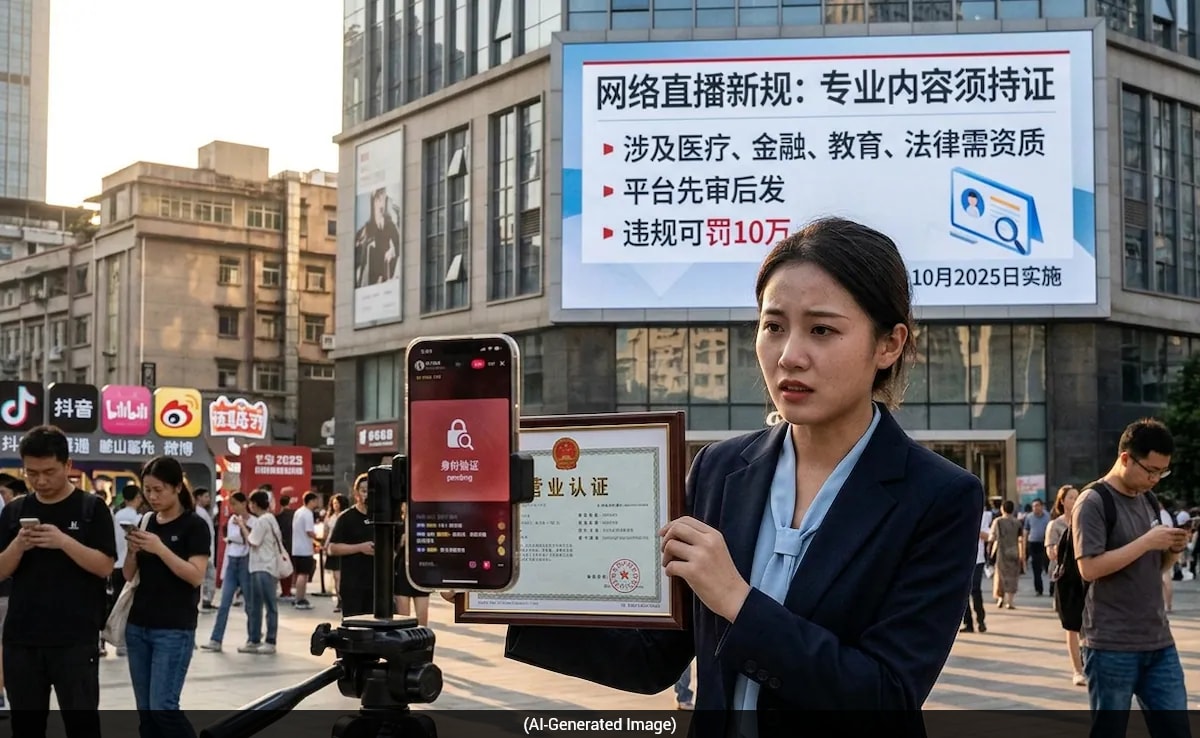
China just nuked the accounts of "fake" finance influencers and slapped them with $14,000 fines. The mainstream media is cheering. They see a victory for consumer protection and a win for "qualified" expertise.
They are dead wrong. For a more detailed analysis into this area, we recommend: this related article.
By deplatforming anyone without a specific degree or state-sanctioned license, regulators aren't cleaning up the markets. They are erecting a wall around financial literacy. They are operating on the prehistoric assumption that a piece of paper from a university translates to better outcomes for retail investors.
I have spent fifteen years watching "qualified" fund managers underperform simple index funds. I have seen licensed brokers sell high-fee garbage to seniors while hiding behind the shield of their certifications. If you think a degree prevents a scam, you haven't been paying attention to the last century of banking. For broader information on this development, comprehensive analysis can also be found on MarketWatch.
The Credentialism Trap
The logic behind the crackdown is simple: No degree equals no platform. It sounds responsible. It feels safe.
But it ignores the reality of the digital economy. Financial "influencers" rose to prominence because traditional institutions failed to speak a language that humans actually understand. People didn't flock to these gurus because they were seeking peer-reviewed academic papers; they flocked to them because they were seeking a way out of a stagnant economic reality that "qualified" experts told them was "stable."
When you mandate that only licensed professionals can speak about money, you create an information monopoly.
- The Problem: Licensed professionals are legally and contractually bound to parrot the company line.
- The Result: A sterile environment where the only "advice" allowed is the kind that keeps capital flowing into the very institutions that regulators are supposed to be watching.
- The Victim: The retail investor who now has no choice but to listen to a banker who makes a commission off their confusion.
Why the $14,000 Fine is a Joke
Regulators think a $14,000 fine is a deterrent. For a mid-level influencer with a million followers, that is simply the cost of doing business. It’s a line item in a marketing budget.
This isn't about the money. It’s about the asymmetry of risk.
A guru with no degree can be wrong, lose their account, and start a new one under a different name three weeks later. A licensed professional who gives "unauthorized" but actually helpful advice can lose their entire career, their pension, and their legal standing.
By forcing everyone into the "licensed" category, you aren't raising the floor of quality. You are lowering the ceiling of honesty. The only people left talking will be the ones too scared to say anything meaningful or the ones too big to care about a slap-on-the-wrist fine.
The Myth of the "Fake" Guru
Let’s define a "fake" guru. The competitor article defines them as anyone without a specific educational background.
This is a fundamental misunderstanding of how wealth is built in the 21st century. Some of the most successful traders I know dropped out of college. They learned in the trenches of the crypto markets, the volatility of the tech sector, and the brutal reality of day-to-day liquidity.
Meanwhile, I’ve met PhDs in Economics who couldn't manage a lemonade stand’s cash flow.
When you prioritize certification over track record, you lose the signal in the noise.
Imagine a scenario where a self-taught investor discovers a specific technical pattern that consistently yields 5% returns. Under these new rules, if they share that insight without a degree in finance, they are a criminal. If a licensed banker suggests a mutual fund that loses 10% but follows "compliance," they are a professional.
Which one actually harmed the public?
The Invisible Cost of Silence
The real danger of this crackdown isn't that the scammers go away. It’s that the outliers go away.
Financial innovation rarely comes from within the ivory towers of the licensed elite. It comes from the fringes. It comes from the people who see the cracks in the system and shout about them on social media.
By deleting these accounts, the state is effectively deleting a massive experiment in public financial education. Yes, some of it was trash. Yes, some of it was predatory. But the solution to bad speech is more speech, not a digital iron curtain.
How to Actually Protect Investors
If regulators actually cared about "fake" gurus, they wouldn't check their degrees. They would check their wallets.
Instead of a $14,000 fine for lack of credentials, try these mandates:
- Skin in the Game: Anyone giving advice must post their verified brokerage statements. Show us your skin in the game. If you aren't making money on your own advice, you're a fraud—degree or no degree.
- Radical Transparency: Influencers should be required to disclose every sponsorship, kickback, and affiliate link in a standardized format at the beginning of every video.
- The "Lindy" Filter: Stop banning people and start educating the public on how to spot a grifter. If someone is promising 100% returns in a week, the problem isn't their lack of a degree; it’s the audience’s lack of basic math.
The Credibility Crisis
The state-led purge of finance accounts creates a false sense of security. It tells the public: "The people left on the platform are the ones you can trust."
This is the most dangerous lie of all.
It invites a new wave of "compliant" scams—the kind that follow the letter of the law while violating the spirit of it. These are the "qualified" experts who will lead the masses into the next bubble, and when it bursts, they will point to their degrees and say they followed the rules.
The "fake" gurus were easy to spot. They were loud, they were flashy, and they were obviously outsiders. The "real" gurus—the ones with the licenses and the blessing of the regulators—are the ones who can actually wreck an economy.
Stop Asking for Permission to Learn
The premise of the "People Also Ask" section in any search engine regarding this topic is flawed. People ask, "How do I know if a finance guru is real?" as if there is a centralized database of truth.
The only "real" finance guru is the one whose strategy you have stress-tested yourself.
Stop looking at the wall. Stop looking for the stamp of approval from a government agency that didn't see the last three financial crises coming.
The degree is a distraction. The fine is a performance. The deletion of accounts is a vanity project.
If you want to survive the next decade of financial volatility, you need to stop relying on the "qualified" and start relying on the quantified.
Burn the textbooks. Watch the tape. Check the math.
The regulators won't save you. They’re too busy checking for diplomas while the house is on fire.